
Agriculture in the Heart of Acadiana
Long before Lafayette became an energy hub, it was surrounded by farmland, and agriculture remains a cornerstone of the regional economy today. Sugarcane fields stretch across Iberia, St. Martin, and St. Mary parishes, while rice and crawfish farming dominate the prairies to the west around Crowley and Rayne. Cattle, soybeans, and vegetables also contribute to the agricultural mix.
Farming companies in Acadiana include family-run operations, cooperatives, mills, and processors that turn crops into food products enjoyed across the country. Here are ten farming companies and agricultural organizations that have shaped the region's farming legacy.
What Makes These Companies Stand Out
We considered history, community impact, scale of operations, innovation, and contributions to the regional economy. Many of these companies have operated for generations and remain deeply rooted in Acadiana culture.
The Top 10 Farming Companies in the Lafayette Region
1. M.A. Patout and Son
M.A. Patout and Son, based in Jeanerette, is one of the oldest family-owned sugar companies in the United States. It operates sugar mills that process cane from farms throughout South Louisiana. Its long history reflects the resilience and dedication of the region's sugar industry.
2. Cajun Sugar Co-op
Cajun Sugar Co-op, located near New Iberia, is a grower-owned cooperative that processes sugarcane for local farmers. Its cooperative model allows growers to share in the success of the mill. The co-op plays an important role in sustaining family farms in Acadiana.
3. Louisiana Sugar Cane Cooperative
The Louisiana Sugar Cane Cooperative, near St. Martinville, is another grower-owned mill serving cane farmers across the region. It has invested in modern processing technology to improve efficiency and output, helping members remain competitive.
4. Sterling Sugars
Sterling Sugars, based in Franklin, processes sugarcane grown in St. Mary Parish and surrounding areas. The mill has a long history in the region and supports many local growers. Its operations contribute significantly to the local economy.
5. Supreme Rice
Supreme Rice, located in Crowley, is one of the largest rice mills in Louisiana. It processes long-grain and specialty rice for domestic and international markets. Crowley, known as the Rice Capital of America, is just a short drive from Lafayette.
6. Falcon Rice Mill
Falcon Rice Mill, also in Crowley, is a family-owned company known for its quality rice products. It works closely with local farmers and offers a range of rice varieties. Its commitment to quality has earned it a loyal customer base.
7. Conrad Rice Mill
Conrad Rice Mill in New Iberia is one of the oldest rice mills in the country and is famous for its Konriko brand. Its rice products and seasonings are popular throughout Louisiana. The historic mill also attracts visitors interested in the region's agricultural heritage.
8. Louisiana Rice Mill
Louisiana Rice Mill, based in Mermentau, is a farmer-owned rice processor serving growers across southwest Louisiana. Its cooperative structure helps members access markets and receive fair prices for their crops.
9. Louisiana Farm Bureau Federation
The Louisiana Farm Bureau Federation is the state's largest farm organization, advocating for farmers and supporting agricultural education. It provides resources, policy advocacy, and programs that benefit farming families across Acadiana and the entire state.
10. Local Family Farms of Acadiana
Countless family farms around Lafayette grow rice, raise crawfish, produce cattle, and cultivate vegetables. Many sell directly to consumers at farmers markets, such as those held in and around Lafayette. These farms preserve traditions while adopting new technologies and sustainable practices.
Trends in Acadiana Agriculture
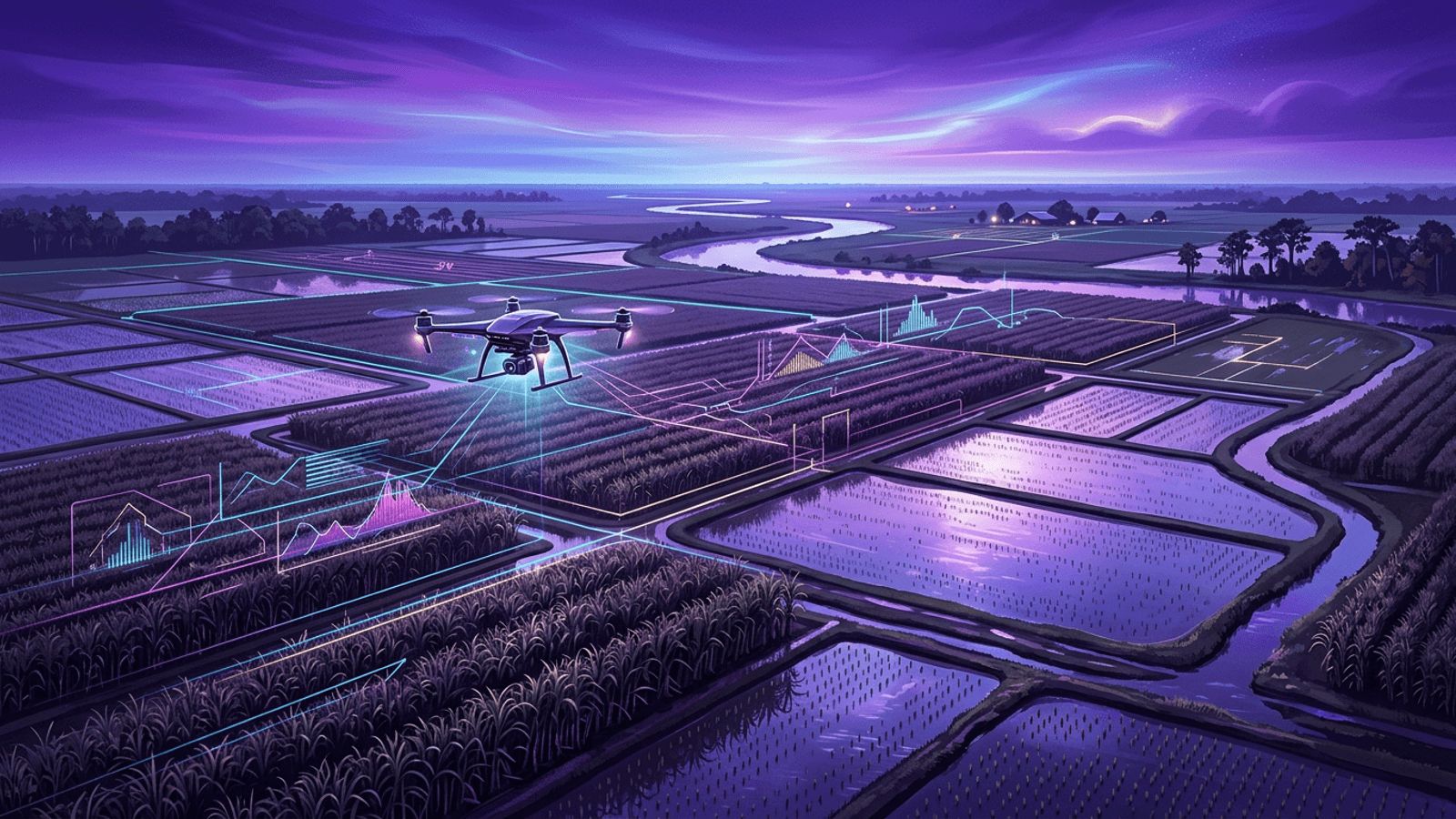
Precision agriculture, including GPS-guided equipment and drone monitoring, is helping farmers improve yields and reduce costs. Rice and crawfish rotation remains a popular system that maximizes land use. Sugar mills are investing in efficiency and energy recovery. Farmers also face challenges such as weather variability, labor shortages, and market fluctuations, which encourage innovation and cooperation.
Supporting Local Agriculture
Residents can support local farms by purchasing Louisiana-grown rice, sugar, and produce. Visiting farmers markets, choosing locally sourced restaurants, and participating in agricultural festivals all help strengthen the regional farming economy. Educational programs through the LSU AgCenter also connect communities with farming knowledge and resources.
Frequently Asked Questions
What is the grinding season in South Louisiana?
The sugarcane harvest, commonly called grinding season, usually runs from late September through December or January. During this time, mills operate around the clock to process freshly cut cane.
Why are rice and crawfish farmed together?
After the rice harvest, farmers reflood fields and raise crawfish in the same ponds. This rotation makes efficient use of land and water and provides two income streams from a single field.
Can visitors tour farms or mills near Lafayette?
Some historic mills and agricultural sites offer tours or visitor areas, and agricultural festivals throughout Acadiana celebrate rice, sugarcane, and crawfish with tastings and exhibits.
Final Thoughts
Farming remains a vital part of Lafayette's identity and economy. From historic sugar mills to modern rice processors and family farms, the companies on this list carry forward a proud agricultural tradition. Supporting these businesses helps ensure that Acadiana's farming heritage continues for generations to come.