
Agriculture at the Heart of Kyrgyzstan's Economy
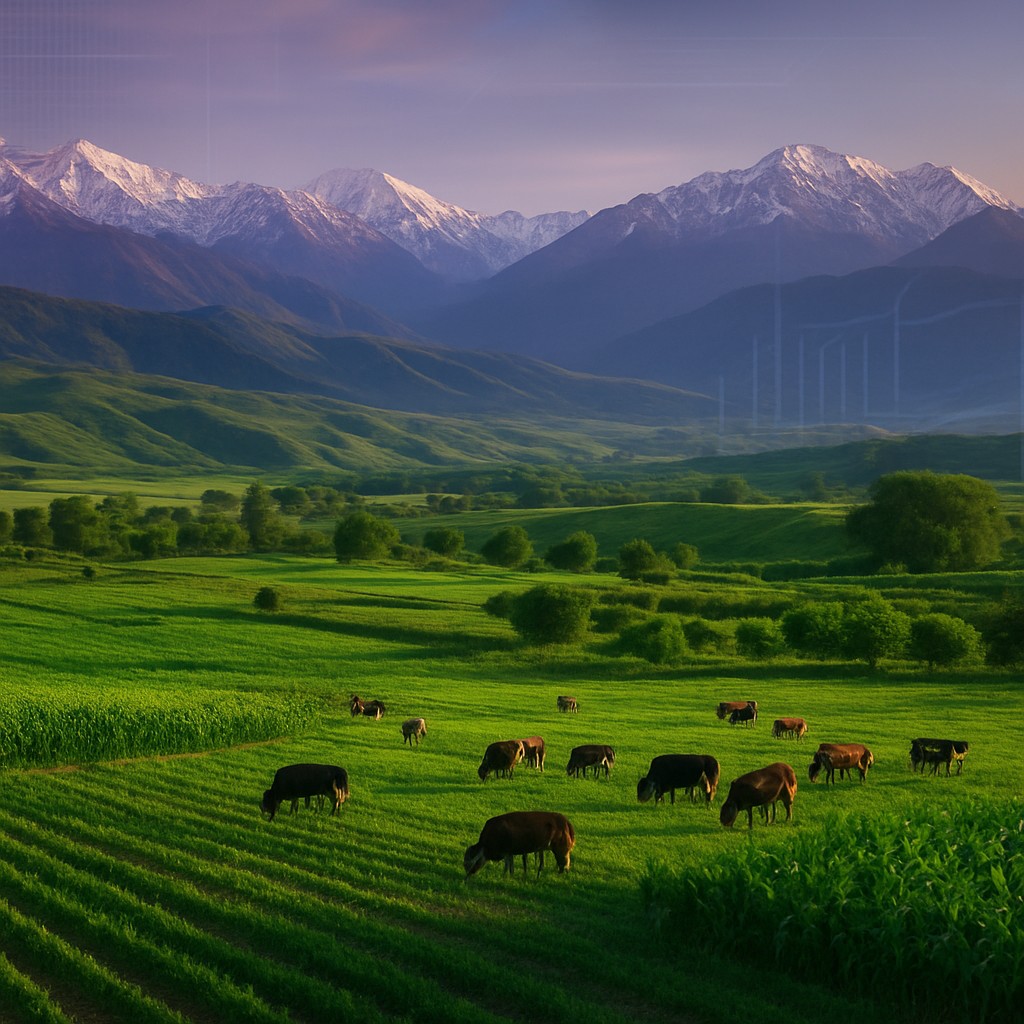
Agriculture has long been a cornerstone of Kyrgyzstan's economy, employing a significant share of the rural population and shaping the way of life across the country's valleys and highland pastures. The mountainous terrain, abundant water resources, and fertile valleys create ideal conditions for diverse farming activities, including grain cultivation, livestock rearing, dairy production, and horticulture. Farming companies play a vital role in modernizing this sector, introducing improved techniques and connecting rural producers to wider markets.
As the country works to strengthen food security and boost exports, well-organized farming enterprises have become increasingly important. They bring scale, investment, and expertise that smallholder farms often cannot achieve alone, helping to raise productivity and quality across the industry.
Characteristics of Top Farming Companies
The leading farming companies in Kyrgyzstan share several defining traits. They invest in modern equipment and irrigation systems to maximize yields while conserving the country's valuable water resources. They prioritize quality control, ensuring their produce meets standards for both domestic consumption and export markets. Many also embrace sustainable practices, recognizing that the long-term health of soil and pastureland is essential to their success.
Strong logistics and market access are equally important. The best companies build reliable supply chains that move goods efficiently from remote farms to urban markets and beyond, reducing waste and improving profitability for everyone involved.
Notable Farming Companies in Kyrgyzstan
Ala-Too Agro Group is recognized for its diversified operations spanning grain, vegetables, and livestock. Tien Shan Dairy Farms has become a trusted name in milk and dairy production, supplying processors throughout the region. Chui Valley Crops focuses on cereals and oilseeds, leveraging the fertile Chui region to achieve strong harvests.
Issyk-Kul Organic Farms has built a reputation for chemical-free produce that appeals to health-conscious consumers, while Manas Livestock Company specializes in cattle and sheep breeding rooted in Kyrgyzstan's pastoral traditions. Naryn Highland Farms manages high-altitude grazing operations, and Osh Agricultural Enterprise serves the southern regions with a mix of fruits and vegetables.
Bishkek Greenhouse Farms has pioneered protected cultivation to extend growing seasons, Talas Bean Producers supports the country's notable bean export trade, and Kyrgyz Harvest Cooperative unites smaller farms to achieve collective scale and bargaining power.
Trends Transforming Kyrgyz Agriculture
Modern farming in Kyrgyzstan is being reshaped by several powerful trends. Mechanization continues to expand, with companies adopting tractors, harvesters, and precision tools that boost efficiency. Greenhouse and protected cultivation are growing rapidly, allowing producers to supply fresh vegetables even during harsh winters.
There is also rising interest in organic and export-oriented farming. Kyrgyz beans, dried fruits, and dairy products are finding new markets abroad, encouraging companies to meet international quality and certification standards. Water management and climate-resilient practices are becoming priorities as producers adapt to changing weather patterns.
The Importance of Farming Companies for Rural Communities
Beyond their economic output, farming companies provide essential employment and stability for rural communities. They offer training, fair purchasing arrangements, and access to inputs like seeds and fertilizer that individual farmers may struggle to obtain. By aggregating production and improving quality, these companies help rural producers earn better incomes and reduce dependence on volatile local markets.
Conclusion
Farming companies are essential to Kyrgyzstan's continued agricultural development, blending the country's deep pastoral heritage with modern innovation. The enterprises featured here demonstrate how investment, sustainability, and strong market connections can elevate an entire sector. As Kyrgyzstan pursues food security and expanded exports, these companies will remain at the forefront of the nation's agricultural progress.