
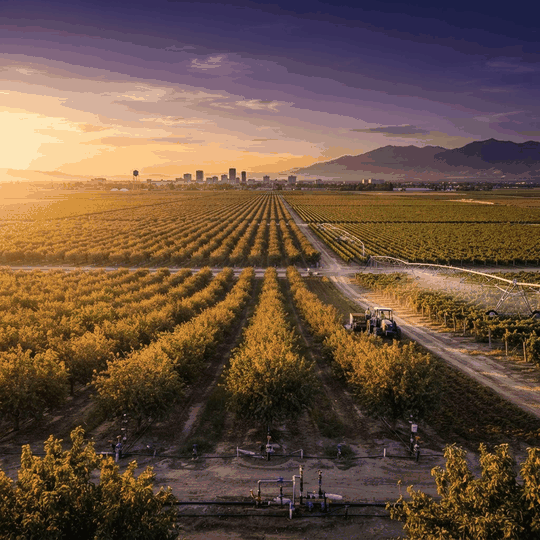
Fresno: A Global Agricultural Powerhouse
Fresno County is one of the most productive agricultural regions in the world, and farming companies are at the heart of this remarkable output. Nestled in California's fertile Central Valley, Fresno benefits from rich soil, a long growing season, and sophisticated irrigation systems that support an extraordinary diversity of crops. Farming companies here produce fruits, nuts, vegetables, and field crops that reach markets across the nation and around the globe.
The scale and diversity of Fresno's agriculture are staggering. From almonds and grapes to tomatoes, citrus, and stone fruit, the region's farming companies cultivate a vast array of products. This agricultural strength underpins the local economy and shapes the identity of the entire Central Valley.
What Defines a Leading Farming Company
The best farming companies in Fresno combine agricultural expertise with strong operational management. Success in modern farming requires more than fertile land; it demands careful planning, resource management, and the ability to adapt to changing conditions. Leading operations invest in skilled labor, efficient logistics, and quality control to deliver consistent, high-value harvests.
Reputation and reliability also matter. Farming companies that consistently produce quality crops, honor commitments to buyers, and treat their workforce well earn lasting trust. These qualities help them build durable relationships with processors, distributors, and retailers who depend on steady supply.
Innovation in the Fields
Innovation is transforming farming in Fresno. Precision agriculture, which uses data and technology to optimize planting, irrigation, and harvesting, is helping companies improve yields while conserving resources. Advanced irrigation techniques, including drip systems and soil-moisture monitoring, are especially important in a region where water management is critical.
Many farming companies are also adopting sustainable practices such as integrated pest management, cover cropping, and soil-health initiatives. These approaches protect long-term productivity while addressing environmental concerns. Technology adoption has become a key differentiator among the region's most forward-thinking operations.
Water, Sustainability, and Stewardship
Water is perhaps the most significant challenge facing Fresno agriculture. Leading farming companies have responded by prioritizing efficient water use, investing in modern irrigation, and carefully selecting crops suited to available resources. Responsible stewardship of land and water is not only an environmental necessity but also a business imperative for long-term viability.
Sustainability extends beyond water. Many companies focus on reducing chemical inputs, protecting pollinators, and improving energy efficiency. These efforts reflect a growing recognition that responsible farming practices support both the environment and the enduring success of the operation.
Economic and Community Impact
Farming companies are pillars of Fresno's economy, providing employment, supporting local businesses, and contributing to the region's agricultural heritage. They sustain a broad ecosystem of related industries, including equipment suppliers, processors, packers, and transportation providers. The prosperity of these companies ripples throughout the community.
Beyond economics, farming companies play a cultural role in the Central Valley, preserving agricultural traditions while embracing modern innovation. Their work connects Fresno to global food systems and reinforces the region's reputation as an agricultural leader.
Looking Ahead
The future of farming in Fresno will be shaped by continued innovation, sustainable resource management, and adaptability. Companies that embrace technology, prioritize water efficiency, and respond to shifting market demands will remain competitive. Consumer interest in quality, transparency, and sustainably grown food will further influence how these operations evolve.
A Practical Evaluation Checklist
Before making a commitment, create a short list of priorities based on your actual operating needs. Compare product or service quality, availability, delivery performance, technical knowledge, and the clarity of commercial terms. Ask how the company responds when demand spikes, an item is unavailable, or a quality concern arises. A professional organization should explain its process clearly, set realistic expectations, and provide consistent follow-through rather than relying only on attractive initial pricing.
Local experience deserves particular attention in Fresno. Companies familiar with Central Valley seasons, transportation routes, labor conditions, and industry cycles can often anticipate challenges that a distant provider may overlook. This regional understanding can lead to better timing, more practical recommendations, and fewer disruptions. Buyers should also consider whether the organization has enough capacity to support future growth without sacrificing personal service.
Whenever possible, review samples, inspect facilities or products, and begin with a manageable order or project. Track accuracy, responsiveness, condition on arrival, and overall value. References from established Fresno-area customers can offer useful perspective, although every buyer should complete independent due diligence. Written specifications, documented expectations, and transparent policies protect both sides and provide a sound basis for a lasting relationship.
Price remains important, but the least expensive option is not always the most economical. Delays, inconsistent quality, limited support, and frequent replacements can quickly erase upfront savings. The strongest choice usually balances fair pricing with dependability, knowledgeable service, and a demonstrated commitment to customers. Taking time to compare these factors helps Fresno businesses and consumers make confident decisions that deliver value well beyond the first transaction.
Final Thoughts
Fresno's farming companies are the foundation of one of the world's most productive agricultural regions. Through expertise, innovation, and responsible stewardship, they produce an incredible diversity of crops that feed communities far beyond the Central Valley. As they navigate challenges and embrace new opportunities, these companies will continue to define Fresno's agricultural legacy for generations to come.