
Agriculture in a Changing Fontana
Before Fontana became an industrial and logistics centre, it was farmland. Citrus groves, vineyards and poultry operations covered the area through much of the twentieth century, and the city's early identity was agricultural. Urban growth has since replaced most of that acreage, but agriculture has not disappeared. It has adapted, concentrating into higher-value production, nursery operations, controlled environment growing and agricultural services that support a broader regional industry.
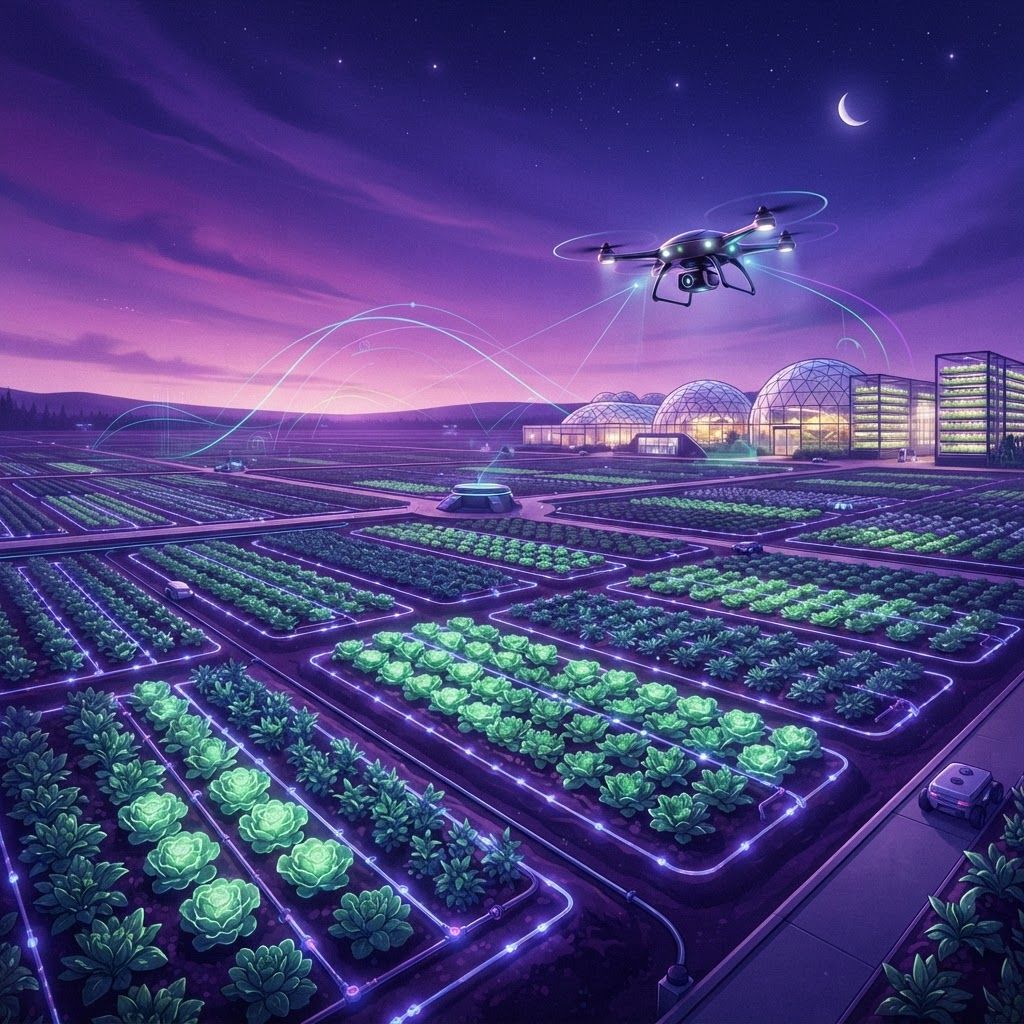
What remains is genuinely interesting. Nursery and greenhouse operations thrive because Southern California's landscaping and horticulture market is enormous. Hydroponic and vertical farms take advantage of proximity to millions of consumers who value freshness. Specialty and organic growers serve farmers markets and restaurants directly. Livestock, poultry and equestrian operations continue on the region's remaining open land. Agricultural service companies support growers across San Bernardino and Riverside counties from a convenient central location.
Categories of Local Farming Operations
Produce growers cultivate vegetables and fruit for wholesale, farmers markets and direct sale. Nursery and greenhouse operations grow ornamental plants, trees and landscape material. Controlled environment agriculture uses hydroponic or vertical systems for year-round production. Livestock and poultry operations raise animals for meat, eggs and dairy. Equestrian facilities board, train and breed horses. Agricultural service providers offer irrigation, soil management, harvesting and consulting. Urban and community farms produce food while serving educational and social functions.
The Top 10 Farming Companies Serving Fontana
1. Inland Valley Produce Growers
Seasonal vegetable and fruit production for wholesale, farmers markets and restaurant accounts. Diversified planting across the growing calendar keeps supply consistent, and direct relationships with chefs allow the operation to grow specific varieties on request.
2. Fontana Nursery and Greenhouse
Ornamental plants, shrubs, trees and landscape material are grown for landscape contractors, garden centres and municipal projects. Emphasis on drought-tolerant and California-appropriate species reflects the region's water reality rather than nostalgic plant palettes.
3. Sierra Hydroponic Farms
Controlled environment production of leafy greens, herbs and tomatoes delivers year-round supply with dramatically reduced water consumption. Proximity to regional customers means product reaches shelves within hours of harvest, which shows in shelf life.
4. Valley Citrus and Orchard Company
Continuing the region's citrus heritage, this operation produces oranges, lemons and specialty citrus for direct and wholesale sale. Grove management including frost protection and irrigation efficiency sustains production on land with real historical continuity.
5. Cypress Poultry and Egg Farm
Egg production and poultry operations serve regional retailers, restaurants and direct customers. Compliance with California's animal housing standards and food safety requirements is a substantial operational commitment that shapes facility design.
6. Fontana Livestock and Ranch Operations
Cattle and small livestock are raised on regional acreage with grazing management and direct meat sales. Pasture management under limited rainfall is the central technical challenge, and rotational systems are used to protect soil and forage.
7. Foothill Equestrian Centre and Breeding
Horse boarding, training, breeding and equestrian instruction serve a substantial regional riding community. Facility quality, pasture management and veterinary coordination define reputation in a business built on animal welfare.
8. Arrow Ridge Organic Farms
Certified organic vegetable and herb production supplies farmers markets, community supported agriculture subscriptions and natural food retailers. Certification compliance and soil building practices support both premium pricing and long-term land productivity.
9. Metro West Agricultural Services
Irrigation design, soil testing, pest management consulting and equipment services support growers across the region. Water efficiency expertise has become the most sought-after service in California agriculture, and it is this company's core strength.
10. Rialto Fontana Urban Farm and Education Centre
Community-focused urban farming combines food production with school programmes and workforce training. Beyond its harvest, the operation reconnects a heavily industrial community with agricultural knowledge and food access.
Water, Land and Regulation
Three forces define agriculture in this region. Water is the first and largest, with allocation, pricing and groundwater management under sustained pressure. Growers who invest in drip irrigation, soil moisture monitoring and drought-appropriate crops remain viable while others do not. Land economics are the second force, as industrial and residential land values make farming marginal on any parcel suitable for development, which pushes agriculture toward higher-value production per acre. Regulation is the third, covering water quality, pesticide use, labour standards and air quality. Successful operations treat compliance as an operational discipline rather than an obstacle.
Trends in Regional Agriculture
Controlled environment agriculture continues to expand, offering water efficiency and consistent quality near urban markets. Water technology adoption including precision irrigation and monitoring is accelerating out of necessity. Direct-to-consumer sales through markets, subscriptions and restaurant relationships capture more value per unit than wholesale. Labour availability constraints are driving mechanization where crops permit. Finally, agrivoltaics and other dual land use approaches are being explored as ways to improve returns on limited acreage.
Buying Direct From Regional Growers
For restaurants, retailers and households, buying direct offers real advantages. Produce harvested locally arrives fresher and lasts longer, which reduces waste meaningfully. Direct relationships allow chefs to request specific varieties and receive advance notice of seasonal availability. Community supported agriculture subscriptions provide growers with predictable cash flow while giving members exceptional value. When buying direct, communicate volume needs early, be flexible about seasonal availability, and understand that weather affects supply in ways no grower controls. That flexibility is what makes direct relationships work for both sides.
Final Thoughts
Farming in Fontana persists in adapted form, sustained by proximity to a vast consumer market, innovation in growing methods and demand for horticultural and agricultural services. The operations profiled here represent a working agricultural sector rather than a historical remnant. Whether you are sourcing produce for a restaurant, plants for a landscape project or services for a growing operation, capable partners are available close to home.