
Introduction
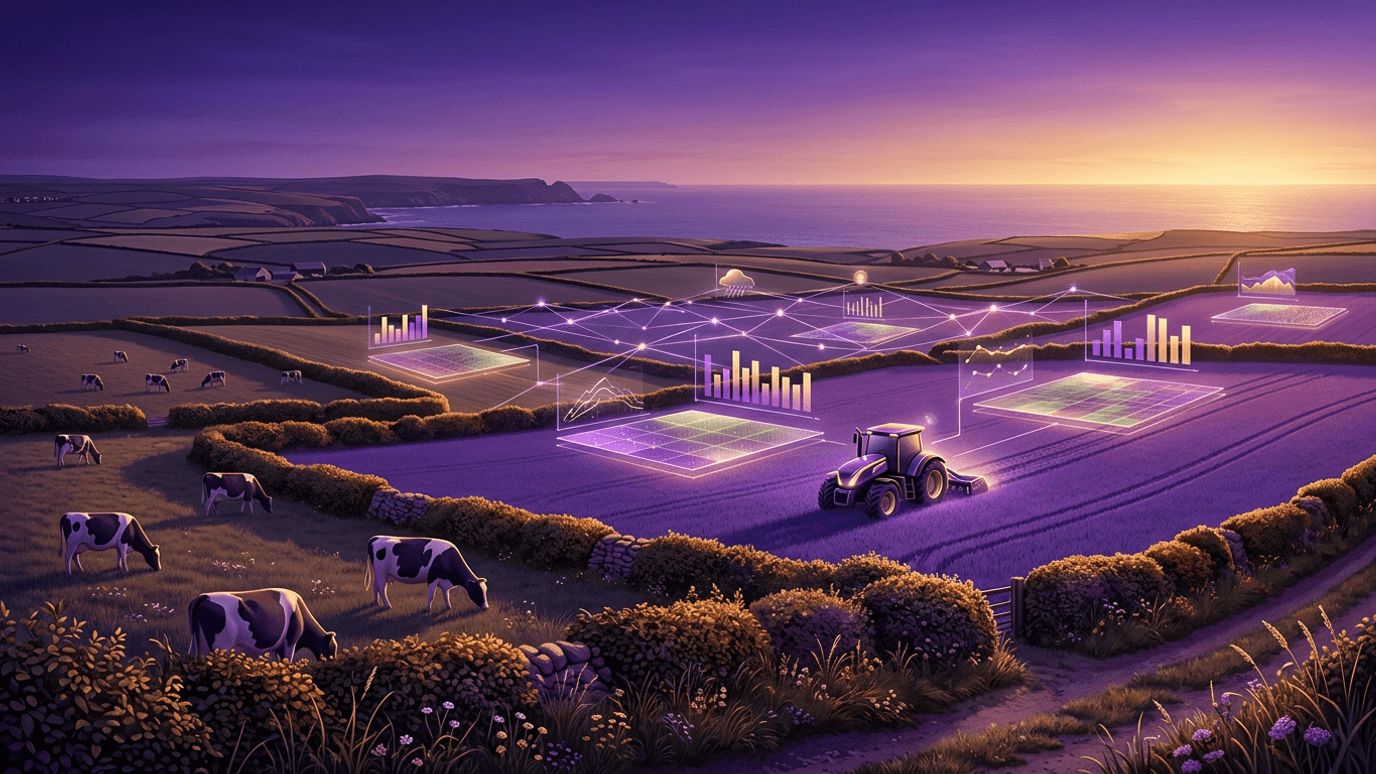
Agriculture has shaped Cornwall's landscape for millennia. Its mild maritime climate, long growing season and fertile soils support dairy herds, beef and sheep, early vegetables, flowers and fruit. Ancient field systems bordered by stone-faced Cornish hedges still define much of the countryside, and farming remains a vital part of rural life and the visitor economy.
Modern Cornish farming companies combine tradition with innovation. Many are diversifying into tourism, direct sales and value-added products, while also adopting regenerative practices that improve soil health and biodiversity. These ten farming businesses showcase the diversity and quality of Cornish agriculture.
Cornwall's Leading Farming Companies
1. Riviera Produce
Riviera Produce, based near Hayle, is one of the UK's leading growers of winter brassicas, including cauliflower, broccoli and cabbage. Cornwall's mild climate allows year-round production, and the company supplies major retailers and processors. Its investment in efficient growing and packing makes it a major rural employer.
2. Trewithen Dairy
Trewithen Dairy, near Lostwithiel, works with Cornish dairy farms to produce milk, cream, butter and yoghurt. Its emphasis on local sourcing and minimal processing supports farmers while delivering high-quality products. The dairy has become a familiar name in Cornish shops and cafes.
3. Tregothnan Estate
Tregothnan, near Truro, is famous as the first commercial tea plantation in England. The estate also produces honey, botanical products and garden plants. Its unique microclimate allows the growth of exotic species, and it has become a symbol of Cornish agricultural innovation.
4. Camel Valley Vineyard
Camel Valley Vineyard near Bodmin produces award-winning sparkling and still wines. Its success has helped put English wine on the international map. The vineyard welcomes visitors for tours and tastings, demonstrating how farming and tourism can work together.
5. Trevaskis Farm
Trevaskis Farm near Hayle combines a working farm with a farm shop, restaurant and pick-your-own fields. It grows vegetables, fruit and rears livestock, selling directly to customers. Its farm-to-fork approach and commitment to fresh, seasonal food have made it a popular destination.
6. Boddington's Berries
Boddington's Berries near Mevagissey grows strawberries and other fruits, offering pick-your-own experiences and producing jams and treats. The family business celebrates Cornish summer produce and connects visitors with where their food comes from.
7. Lynher Dairies
Lynher Dairies produces Cornish Yarg, a distinctive cheese wrapped in nettle leaves, along with other artisan cheeses. Its milk comes from local herds, and its cheeses have won numerous awards. The company demonstrates how traditional skills create premium, value-added farm products.
8. Cornish Orchards
Cornish Orchards, near Liskeard, grows apples and produces award-winning ciders, juices and soft drinks. Its orchards include traditional Cornish apple varieties, helping preserve heritage fruit trees. The business combines careful orchard management with modern production techniques.
9. Healeys Cyder Farm
Healeys Cyder Farm near Truro produces Cornish Rattler cider and other drinks from local orchards. The farm offers tours, tastings and a restaurant, attracting thousands of visitors. Its growth story highlights the potential of agri-tourism and branded farm products.
10. Primrose Herd
Primrose Herd near Redruth rears free-range pigs and produces high-quality pork, sausages and bacon. Its focus on animal welfare, traditional breeds and careful husbandry has earned praise from chefs and customers. The business supplies butchers, restaurants and farm shops across the county.
Trends in Cornish Farming
Regenerative agriculture is gaining momentum, with farmers improving soil health, planting hedgerows and reducing chemical inputs. Diversification into tourism, farm shops and branded products helps businesses manage price volatility. Technology, including precision agriculture and robotic milking, is increasing efficiency. Climate change brings challenges such as heavier rainfall, but also opportunities for new crops like grapes and tea.
How Farming Supports the Cornish Economy
Farming underpins Cornwall's food and tourism industries. It supplies the ingredients that restaurants celebrate, maintains the landscapes that visitors come to enjoy and provides employment in rural communities. Farm shops, festivals and agri-tourism create additional income streams and strengthen the connection between consumers and producers.
Protecting the Landscape for Future Generations
Cornish farmers are custodians of a landscape that includes protected habitats, ancient hedges and coastal grasslands. Many work with conservation organisations on schemes that restore wildflower meadows, protect water quality and create wildlife corridors. These efforts benefit pollinators, birds and soil life while improving the long-term resilience of farms. Consumers increasingly reward this stewardship by choosing products from farms with strong environmental credentials.
Agri-Tourism and Direct Sales
Many Cornish farms have embraced agri-tourism and direct sales to strengthen their businesses. Farm shops, cafes, pick-your-own fields, vineyard tours and on-farm accommodation create income that is less exposed to commodity price swings. Visitors enjoy authentic experiences and the chance to buy produce straight from the source, while farmers gain valuable feedback and loyal customers. These ventures also help educate the public about where food comes from and the work involved in producing it, building understanding and support for the farming community.
Conclusion
Cornwall's farming companies are diverse, innovative and deeply rooted in the land. From winter vegetables and dairy to tea, wine and cider, these ten businesses showcase the quality and creativity of Cornish agriculture while protecting the landscapes that make the county special.