
Agriculture in the Brazos Valley
Agriculture is woven into the identity of College Station. Texas A&M University began as an agricultural and mechanical college, and today it remains one of the world's leading centers for agricultural research. The surrounding Brazos Valley features fertile river bottomland that supports cotton, corn, sorghum, hay, pecans, and cattle production.
Farming companies, cooperatives, lenders, and research organizations work together to keep this agricultural economy strong. They provide production, processing, financing, education, and innovation that benefit farmers and consumers alike.
Why Farming Matters Locally
Agriculture supports thousands of jobs in the region, from ranch hands and equipment operators to food processors and researchers. It also shapes the local culture, with farmers markets, livestock shows, and rodeos drawing community participation throughout the year.
The Top 10 Farming Companies and Organizations in College Station
1. Texas A&M AgriLife Research
Texas A&M AgriLife Research conducts groundbreaking studies in crop genetics, livestock health, water conservation, and food safety. Its research helps farmers across Texas improve productivity and sustainability.
2. Texas A&M AgriLife Extension Service
AgriLife Extension provides education and technical support to farmers, ranchers, and communities in every Texas county. Its programs cover crop management, livestock production, and agricultural business practices.
3. Wayne-Sanderson Farms
Wayne-Sanderson Farms operates poultry processing in Bryan, making it one of the largest agricultural employers in the Brazos Valley. Its operations support contract growers throughout the region.
4. Capital Farm Credit
Headquartered in Bryan, Capital Farm Credit is one of the largest agricultural lenders in Texas. It provides loans for land, equipment, and operating expenses, and returns profits to member-borrowers through patronage.
5. Producers Cooperative Association
Producers Cooperative Association in Bryan serves farmers and ranchers with feed, fertilizer, fencing supplies, and farm equipment. Its cooperative model has supported local agriculture for decades.
6. Texas Farm Bureau
Texas Farm Bureau advocates for farmers and ranchers and offers insurance, education, and leadership programs. Its county organizations, including Brazos County, connect producers with resources and policy updates.
7. Cargill
Cargill is a global agriculture company involved in grain handling, animal nutrition, and beef processing. Its Texas operations provide markets for crops and livestock produced in the region.
8. Blue Bell Creameries
Blue Bell Creameries in nearby Brenham is an iconic Texas brand. The company relies on dairy ingredients and contributes significantly to the regional food and agricultural economy.
9. Dairy Farmers of America
Dairy Farmers of America is a national dairy cooperative owned by family farmers. It helps Texas dairy producers market their milk and access processing facilities.
10. Brazos Valley Farmers Market
The Brazos Valley Farmers Market connects local growers with consumers, offering fresh produce, meats, honey, and handmade goods. It supports small farms and strengthens the local food system.
Agricultural Trends in the Region
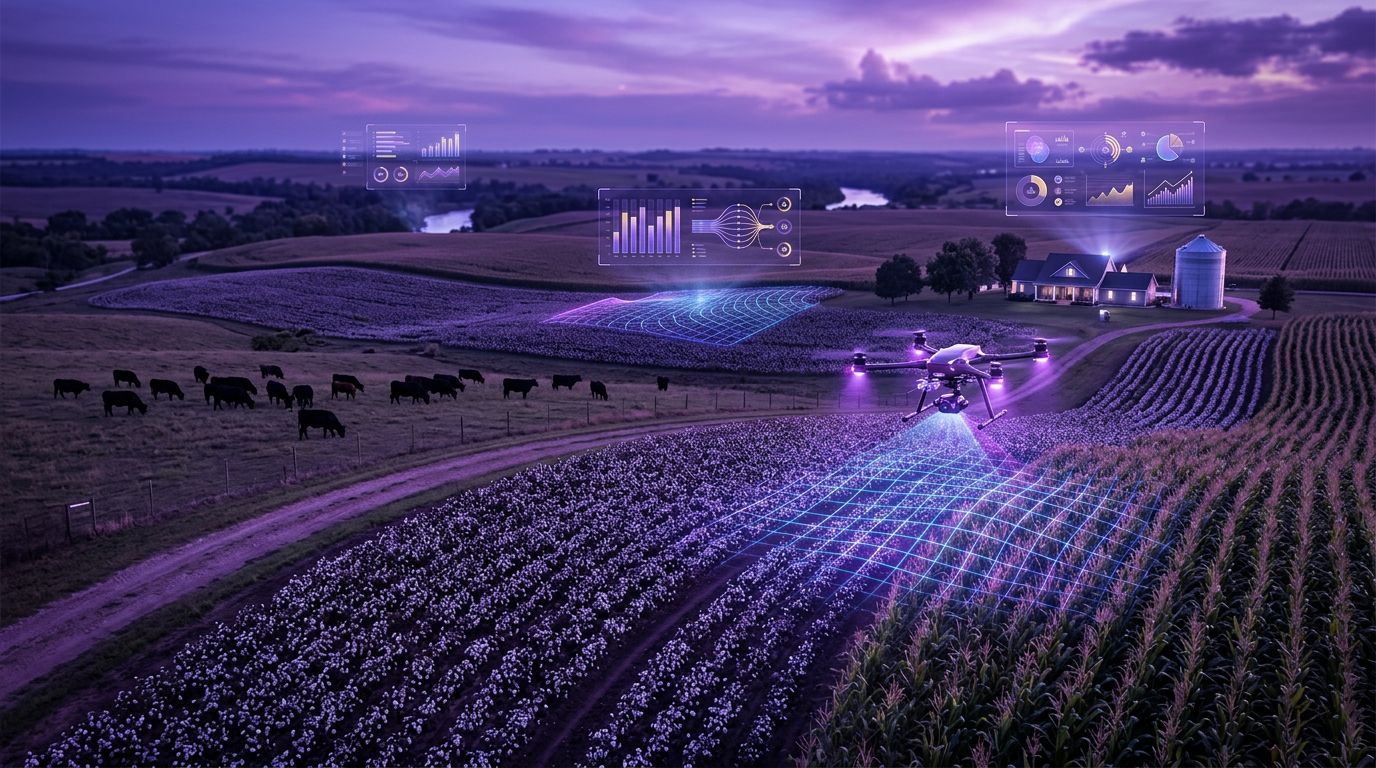
Precision agriculture is transforming farming through GPS-guided equipment, drones, and soil sensors. Water conservation remains a top priority, and research into drought-tolerant crops continues to expand. Regenerative practices such as cover cropping and rotational grazing are gaining interest. Local food movements are also creating new opportunities for small farms to sell directly to consumers and restaurants.
How to Work With Farming Partners
Farmers and agribusinesses should take advantage of research and extension resources, explore cooperative purchasing, and build relationships with agricultural lenders who understand local conditions. Consumers can support local agriculture by shopping at farmers markets and choosing Texas-grown products.
Crops and Livestock of the Brazos Valley
The Brazos River bottomland is among the most fertile farmland in Texas, with deep alluvial soils that support high-yield cotton, corn, and grain sorghum. Upland areas are well suited for improved pastures and hay production, particularly Bermuda grass, which feeds the region's large cow-calf operations. Pecan orchards, vegetable farms, poultry operations, and small specialty growers add further diversity. Weather variability, including droughts and intense rain events, remains the greatest challenge for local producers. Access to research data, crop insurance, reliable financing, and cooperative purchasing helps farm families manage risk. This diversity and support network make the Brazos Valley a resilient and important agricultural region.
Frequently Asked Questions
How can new farmers get started in the Brazos Valley? AgriLife Extension offers beginner programs, and agricultural lenders such as Capital Farm Credit provide financing options for young and beginning farmers.
Where can residents buy local farm products? Farmers markets, farm stands, and local butcher shops offer fresh produce, eggs, honey, and meat from area producers.
What are the main crops grown near College Station? Cotton, corn, grain sorghum, and hay are among the most common, along with cattle production.
Key Takeaways
The strength of agriculture around College Station comes from collaboration. Research institutions share new knowledge, cooperatives provide supplies at fair prices, lenders finance growth, and processors create reliable markets for what farmers produce. Producers who tap into this network are better equipped to manage weather risks, adopt new technology, and stay profitable. Residents, in turn, can support local farm families by buying Texas-grown products and shopping at area farmers markets.
Final Thoughts
College Station sits at the heart of Texas agriculture, blending world-class research with deep farming traditions. These ten organizations and companies drive the innovation, financing, and production that keep the Brazos Valley's agricultural economy thriving.