
Agriculture in the Rio Grande Valley
The Rio Grande Valley is one of the most agriculturally productive regions in the United States, and Brownsville sits at its southern edge. A subtropical climate with mild winters allows year-round production, giving Valley growers the ability to supply fresh produce during months when most of the country cannot. Irrigation from the Rio Grande, fertile alluvial soils, and generations of accumulated farming knowledge complete the picture.
Citrus is the region's signature crop, with grapefruit and oranges recognized nationally for quality. Vegetables including onions, cabbage, peppers, and leafy greens ship in large volumes. Sugarcane, cotton, grain sorghum, and livestock operations add further diversity to the agricultural economy.
What Defines a Strong Farming Operation
Modern farming is a technically demanding business. Successful operations manage water efficiently, monitor soil health, time plantings against market windows, comply with food safety regulations, and coordinate labor during narrow harvest periods. Food safety certification has become essential for growers selling into retail and foodservice channels, requiring documented practices from field through packing.
Water stewardship deserves particular attention in this region. Rio Grande allocations vary with drought conditions and international agreements, making irrigation efficiency a genuine competitive factor rather than an environmental nicety.
1. Rio Grande Citrus Growers
Rio Grande Citrus Growers cultivates grapefruit and orange varieties across Valley acreage, managing production from grove care through packing. Careful variety selection and harvest timing maximize fruit quality and shelf life.
2. Brownsville Vegetable Farms
Brownsville Vegetable Farms produces onions, cabbage, peppers, and seasonal vegetables for fresh market distribution. Rotation planning and soil management maintain productivity across successive plantings.
3. Gateway Organic Produce Company
Gateway Organic Produce Company operates certified organic acreage, supplying growing demand for organically grown vegetables and herbs. Organic pest and fertility management require considerable technical skill in a subtropical climate.
4. Frontera Sugarcane Enterprises
Frontera Sugarcane Enterprises cultivates sugarcane, a crop with deep roots in Valley agriculture. Long growing cycles and mechanized harvest operations define the production model.
5. Valley Cotton and Grain Producers
Valley Cotton and Grain Producers grows cotton and grain sorghum across substantial acreage. Precision agriculture tools including variable-rate application and yield mapping guide input decisions field by field.
6. Southmost Cattle and Livestock
Southmost Cattle and Livestock manages cattle operations across regional rangeland, focusing on herd health, genetics, and pasture management suited to South Texas conditions.
7. Cameron Greenhouse and Nursery Farms
Cameron Greenhouse and Nursery Farms produces ornamental plants, seedlings, and protected-culture vegetables. Controlled environments allow year-round production independent of field conditions.
8. Laguna Aquaculture and Fisheries
Laguna Aquaculture and Fisheries operates shrimp and fish production near coastal waters, combining aquaculture with water quality management practices designed to protect surrounding ecosystems.
9. Port Brownsville Agricultural Exports
Port Brownsville Agricultural Exports coordinates the movement of Valley produce and commodities into export channels, handling cold chain logistics, inspection, and documentation for international shipments.
10. Border Family Farms Cooperative
Border Family Farms Cooperative unites smaller growers to achieve shared marketing reach, equipment access, and negotiating strength. Cooperative structures help family operations compete against larger consolidated farms.
Trends Shaping Valley Agriculture
Water efficiency is the defining challenge. Drip irrigation, soil moisture sensing, and drought-tolerant varieties are being adopted widely as growers adapt to constrained and variable water availability.
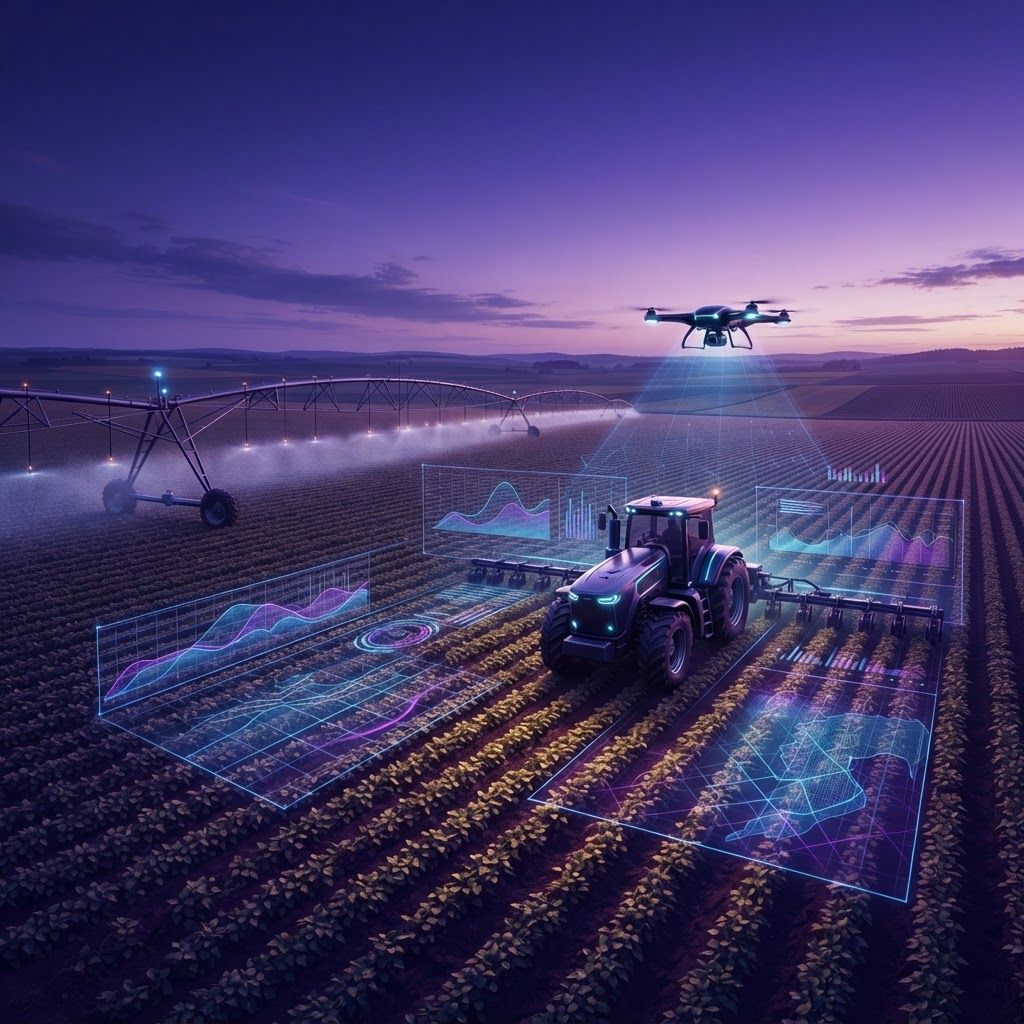
Precision agriculture continues to expand, with drones, satellite imagery, and field sensors guiding input application at increasingly fine resolution. This reduces fertilizer and pesticide use while maintaining yields. Labor availability remains a persistent constraint, accelerating investment in mechanized harvesting for crops where it is technically feasible. Finally, direct-to-consumer and local food channels have grown, allowing some operations to capture more value than traditional wholesale distribution provides.
Working With Local Farming Operations
For buyers sourcing produce, evaluate food safety certification status and traceability capability first. Discuss volume commitments and seasonal availability realistically, since agricultural supply follows biological rather than commercial schedules. Understand quality grading standards and how out-of-specification product will be handled. Building multi-season relationships generally produces better outcomes than transactional purchasing, as growers prioritize reliable partners when supply tightens.
Post-Harvest Handling and Market Access
Growing a quality crop is only half the work. Cooling produce quickly after harvest, grading consistently, packing to buyer specification, and moving product through a temperature-controlled chain determine whether that quality survives to the consumer. Operations that invest in packing and cooling infrastructure capture noticeably more value than those selling field-run product into commodity channels.
Market access follows from this capability. Retail and foodservice buyers require food safety certification, traceability, and consistent pack specifications before they will contract with a grower. Meeting those requirements opens higher-value channels that remain closed to operations without documented systems.
Weather Risk and Resilience Planning
South Texas agriculture operates under real weather exposure. Hurricanes threaten late-season crops, occasional hard freezes damage citrus groves, and extended drought constrains irrigation allocations. Operations that plan for these events rather than reacting to them recover faster and with less financial damage.
Practical measures include crop insurance appropriate to the operation's risk profile, diversified plantings so a single event does not eliminate an entire season's income, windbreaks and grove management practices that reduce storm damage, and water storage that buffers short allocation periods. Growers who treat resilience as part of the production plan rather than an afterthought have proven consistently better able to withstand difficult years.
Final Thoughts
Farming companies around Brownsville produce citrus, vegetables, sugarcane, cotton, livestock, nursery stock, and aquaculture products in a region blessed with exceptional growing conditions. As water constraints and labor challenges reshape the industry, operations investing in efficiency and sustainable practices are positioning themselves for long-term success in Valley agriculture.