
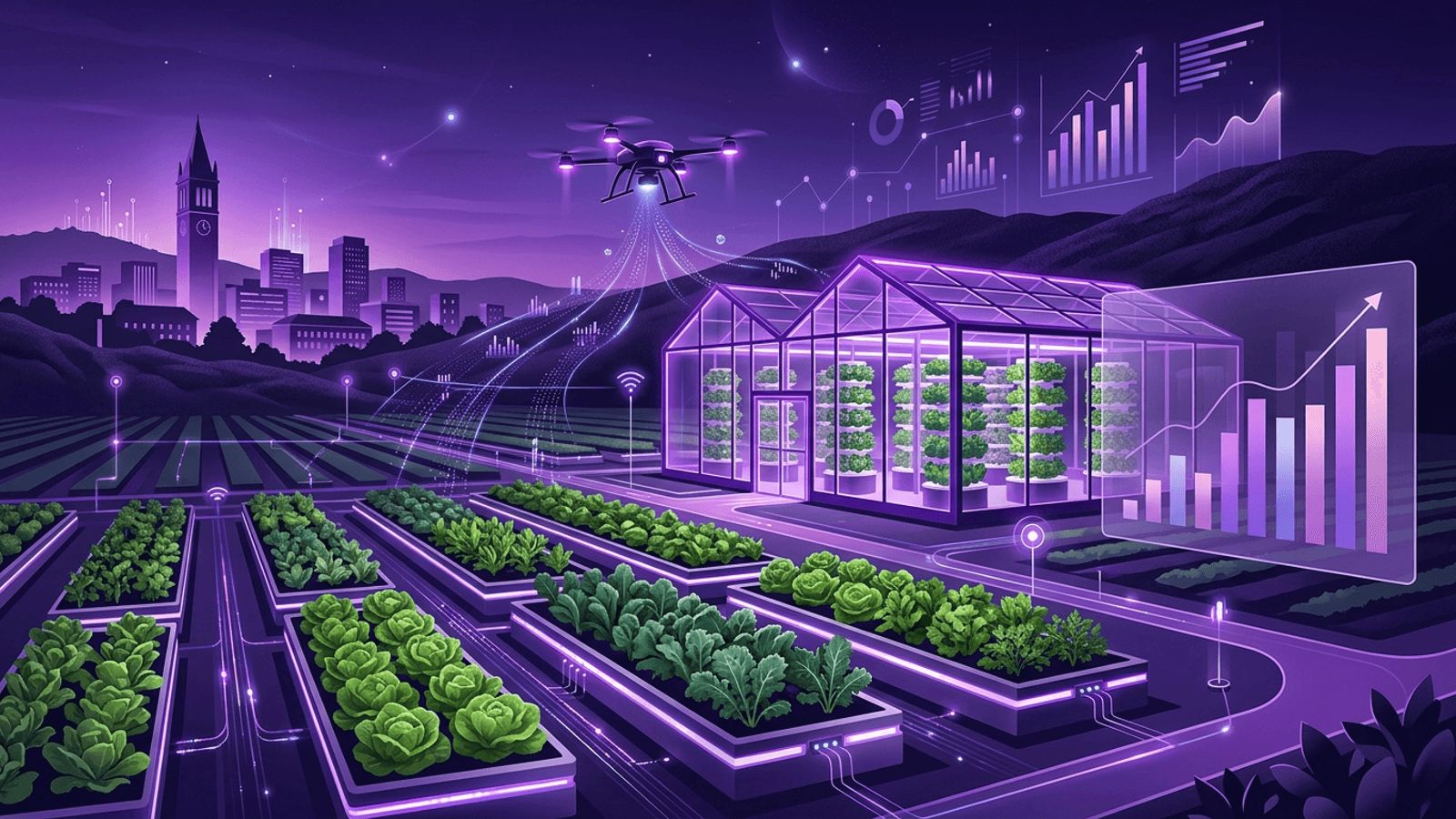
Where Berkeley Meets the Farm
Berkeley's influence on American food culture is closely tied to its relationships with farmers. The city's restaurants, cooperatives, and farmers markets helped popularize seasonal, organic eating decades ago, and those connections remain strong today. Berkeley also hosts urban farms and community growing spaces that bring agriculture directly into neighborhoods.
This guide highlights ten farming companies and organizations closely connected to Berkeley, from local urban farms to regional organic producers whose crops appear at Berkeley markets and on restaurant menus.
Agriculture in the Berkeley Context
Berkeley itself is densely developed, but it supports urban farms, school gardens, and research plots. The Ecology Center's farmers markets bring growers from across Northern California into the city several times a week. UC Berkeley also conducts agroecology research that informs sustainable farming practices. Regional farms in the Capay Valley, Brentwood, and Central Coast supply much of the produce Berkeley residents enjoy.
The Top 10 Farming Companies in Berkeley
1. Urban Adamah
Urban Adamah is an urban farm and community center in Berkeley that grows food, runs educational programs, and donates produce to people in need. It blends agriculture, community engagement, and environmental education.
2. Spiral Gardens
Spiral Gardens is a Berkeley community food security project operating a farm and nursery. It sells affordable plants, grows food for the community, and promotes access to healthy produce in South Berkeley.
3. Gill Tract Community Farm
The Gill Tract Community Farm in nearby Albany is managed in partnership with UC Berkeley. It supports agroecology research, community growing, and food justice initiatives, and distributes produce to local organizations.
4. Full Belly Farm
Full Belly Farm in the Capay Valley is a pioneering organic farm known for diverse vegetables, fruits, nuts, and flowers. It sells at Berkeley farmers markets and is respected for its sustainable practices and educational programs.
5. Riverdog Farm
Riverdog Farm is an organic farm in the Capay Valley producing vegetables, fruit, and pasture-raised meats. Its products are familiar to Berkeley shoppers and chefs who value freshness and responsible farming.
6. Frog Hollow Farm
Frog Hollow Farm in Brentwood is known for its exceptional organic stone fruit, including peaches, apricots, and cherries. It also produces preserves and pastries and has long-standing relationships with Bay Area restaurants and markets.
7. Happy Boy Farms
Happy Boy Farms grows organic produce on the Central Coast and supplies farmers markets, restaurants, and retailers throughout the Bay Area. Its greens and seasonal vegetables are staples for many local kitchens.
8. Dirty Girl Produce
Dirty Girl Produce, based in Santa Cruz County, is famous for flavorful dry-farmed tomatoes and specialty vegetables. Its produce is prized by Bay Area chefs and farmers market shoppers.
9. Star Route Farms
Star Route Farms in Marin County is one of the oldest certified organic farms in California. It supplies greens, herbs, and vegetables to restaurants and markets and has helped shape the region's organic movement.
10. Pivot Bio
Pivot Bio, headquartered in Berkeley, is an agricultural technology company that develops microbial nitrogen products for farmers. Its innovations help growers reduce synthetic fertilizer use and environmental impact, linking Berkeley science to farms across the country.
How to Choose a Farm Partner
Restaurants and retailers should consider crop variety, seasonality, delivery capabilities, and certifications such as organic or regenerative. Visiting farms and talking with growers helps build trust and understanding. Consumers can support local farms through community supported agriculture subscriptions, farmers market purchases, and buying from retailers that source locally.
Farming Trends
Regenerative agriculture, soil health, and carbon farming are gaining momentum. Urban agriculture continues to expand as cities recognize its value for food security and education. Water efficiency and drought-resilient practices are critical in California. Agricultural technology, including biological inputs and precision farming, is increasingly linking research centers like Berkeley with rural farms.
Frequently Asked Questions About Local Farming
Where can Berkeley residents buy directly from farmers?
The Ecology Center operates farmers markets in Berkeley several days each week, bringing growers from across Northern California into the city. Many farms also offer community supported agriculture subscriptions, which deliver regular boxes of seasonal produce to pickup sites or homes. Some urban farms sell plants and produce directly to neighbors.
What is regenerative agriculture?
Regenerative agriculture refers to farming practices that improve soil health, increase biodiversity, and capture carbon. Techniques include cover cropping, reduced tillage, crop rotation, composting, and integrating livestock. Many farms supplying Berkeley use these practices to build resilient ecosystems and produce nutrient-rich food.
Can I volunteer at a farm in Berkeley?
Yes. Urban farms and community gardens in and around Berkeley frequently welcome volunteers for planting, harvesting, and educational programs. Volunteering is a great way to learn about growing food, meet neighbors, and support local food security initiatives.
Why does local food sometimes cost more?
Small farms often face higher labor and land costs and may use more labor-intensive sustainable practices. Prices reflect fair wages, careful stewardship, and freshness. Many shoppers find the quality and flavor worth the investment, and some programs help make local produce more affordable.
Final Thoughts
Berkeley's food culture is inseparable from the farms that supply it. The urban growers, organic producers, and agtech innovators on this list represent the best of the region's commitment to sustainable, delicious, and community-centered agriculture.