
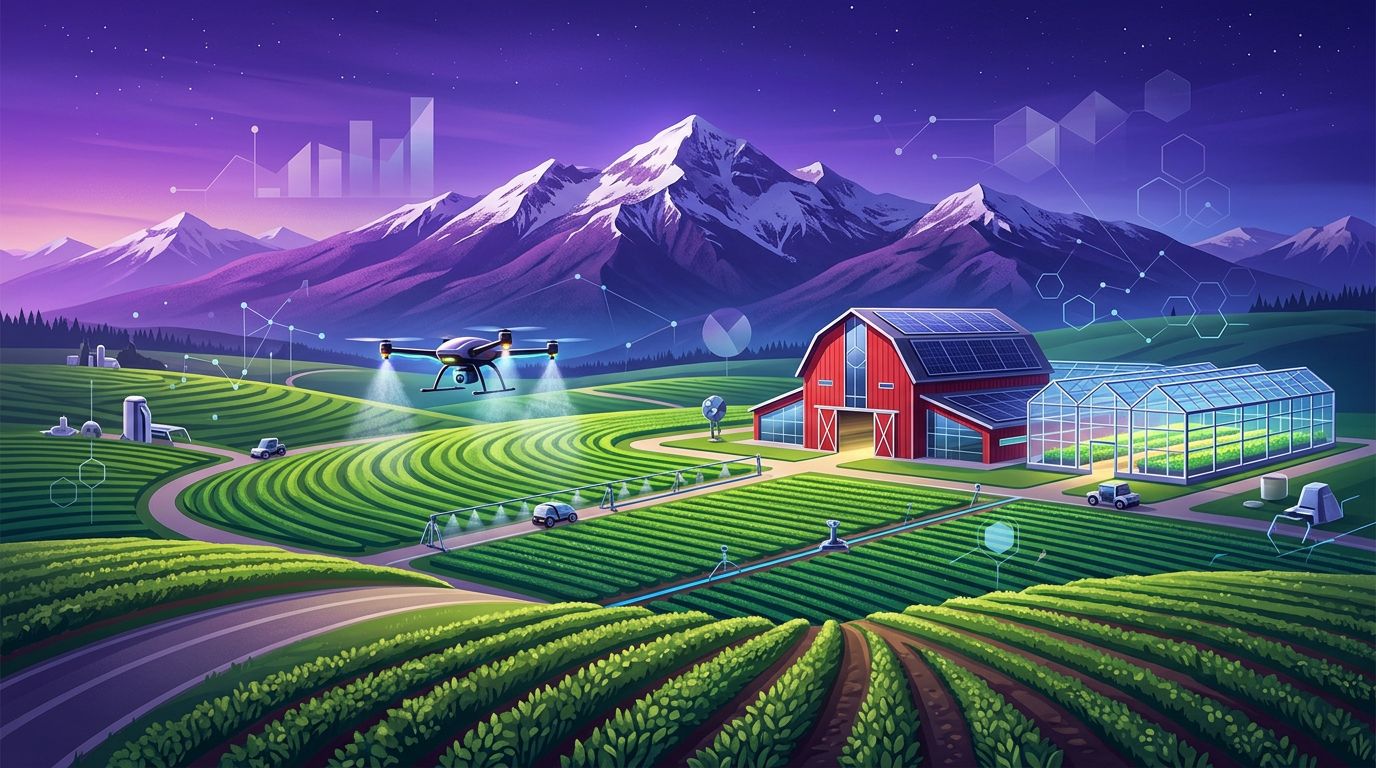
Long before it became a thriving suburb, Arvada was known as the Celery Capital of the World. Rich soils and irrigation ditches fed by Clear Creek supported vegetable farms, orchards, and dairies. While much farmland has transitioned to neighborhoods, Arvada still celebrates its agricultural roots through urban farms, community gardens, and local food programs.
Today, farming in and around Arvada blends tradition with innovation. Sustainable practices, controlled environment agriculture, and direct-to-consumer sales help local farms thrive. Below are ten notable farming companies and agricultural operations connected to Arvada and the surrounding Front Range.
The Top 10 Farming Companies Serving Arvada
1. Arvada Urban Farms and Community Gardens
Arvada supports urban agriculture through community garden plots and neighborhood growing projects. These initiatives teach residents about growing food, pollinators, and soil health. Urban farm programs help preserve Arvada's agricultural identity while connecting families to fresh, locally grown produce.
2. Five Fridges Farm
Five Fridges Farm is a family-run farm on the Front Range offering pasture-raised meats, eggs, and seasonal products. It is known for regenerative practices and community engagement. Arvada families appreciate its farm store and educational events that highlight sustainable agriculture.
3. Ollin Farms
Ollin Farms in nearby Longmont is a respected family farm focused on organic and sustainable growing. Its produce reaches Front Range farmers markets and CSA members. The farm is admired for its commitment to soil health, biodiversity, and community food access.
4. Berry Patch Farms
Berry Patch Farms in Brighton offers pick-your-own berries, vegetables, and flowers. Arvada families enjoy seasonal visits for strawberries, raspberries, and pumpkins. Its organic practices and agritourism experiences make it a beloved destination for local food lovers.
5. Isabelle Farm
Isabelle Farm in Lafayette grows organic vegetables, fruit, and flowers and sells through its farm stand, CSA, and local markets. Its produce is a favorite among Front Range chefs and home cooks, and the farm represents the dedication of small-scale Colorado organic agriculture.
6. Kilt Farm
Kilt Farm in Longmont specializes in organic vegetables and community supported agriculture. Arvada residents participate in CSA shares from farms like Kilt for weekly fresh produce. Its emphasis on organic soil management and local distribution supports a healthier regional food system.
7. Altius Farms
Altius Farms pioneered vertical aeroponic farming in the Denver area, growing leafy greens and herbs efficiently in urban spaces. Its innovative approach demonstrates how technology can bring fresh food production into city environments like Arvada.
8. Front Range Greenhouse Growers
Greenhouse and hydroponic growers in the Denver metro produce tomatoes, lettuces, and microgreens year-round despite Colorado's short outdoor season. They inspire Arvada community gardens and school programs that teach students about hydroponics, composting, and nutrition.
9. Colorado Ranchers and Cattle Producers
Cattle ranching remains a core part of Colorado's agricultural economy. Ranches across the Front Range supply Arvada restaurants and butcher shops with grass-fed and grain-finished beef. Their land stewardship helps preserve open spaces and rural heritage.
10. Arvada Farmers Market Growers
The Arvada Farmers Market brings together local growers, bakers, and producers each season. These small farms offer fresh vegetables, honey, eggs, and flowers directly to residents. The market strengthens connections between consumers and the people who grow their food.
Arvada's Agricultural Heritage
Arvada's history as a farming community is celebrated through events like the Arvada Harvest Festival, one of the longest-running festivals in Colorado. Historic farms and preserved open spaces remind residents of the city's agricultural legacy, while community gardens keep the spirit of local growing alive.
Farming Trends on the Front Range
Regenerative agriculture, water conservation, and controlled environment farming are reshaping Colorado agriculture. Farms are adopting drip irrigation, cover cropping, and greenhouse production to cope with limited water and short growing seasons. Direct-to-consumer models like CSAs and online farm stores help farms capture more value.
Benefits of Supporting Local Farms
Buying from local farms provides fresher, more flavorful food while supporting the regional economy. It also reduces transportation emissions and helps preserve farmland. For Arvada residents, local farms offer opportunities to learn about food production and build community connections.
Frequently Asked Questions
What is a CSA and how does it work?
Community supported agriculture lets residents buy a share of a farm's harvest before the season begins. Members receive regular boxes of fresh produce, while farmers gain upfront funding and a reliable customer base.
Can I grow food on a small Arvada property?
Absolutely. Raised beds, drip irrigation, and season extenders like row covers and cold frames help residents grow vegetables in small yards. Community garden plots are another great option for those without space at home.
Why does water matter so much for Colorado farms?
Colorado receives limited rainfall, and agriculture depends heavily on irrigation rights and snowmelt. Efficient irrigation, soil health practices, and drought-tolerant crops help farms remain productive during dry years.
Conclusion
Although Arvada has evolved into a modern city, its farming spirit remains strong. From organic vegetable farms and berry patches to innovative vertical farms and local ranchers, these agricultural businesses help feed the community and preserve a proud heritage.