
Agriculture in and Around Arlington
Farming in a city like Arlington looks different from farming in open rural counties. Land is expensive and fragmented, which pushes producers toward high-value crops, intensive growing methods and direct-to-consumer channels rather than commodity bulk production. The advantage is proximity: a grower here sits minutes from restaurants, farmers markets, grocery buyers and institutional kitchens, which shortens supply chains and improves both freshness and margin.
That proximity has produced a distinctive sector. Market gardens, protected-cropping greenhouses, controlled environment operations, urban farms on reclaimed sites, community-supported agriculture programmes and specialised agricultural service companies all coexist, often serving overlapping customers. Together they form a practical model for how food production integrates with a metropolitan area.
What Defines a Strong Farming Operation
Production consistency is the first measure. Buyers — particularly restaurants and grocers — need dependable volume and quality week after week, and the operations that succeed commercially are those that plan plantings against confirmed demand rather than hoping to sell whatever the season produces.
Food safety practice is the second. Documented handling procedures, water quality testing, worker hygiene training and traceability from harvest lot to delivery are increasingly required by commercial buyers. Third, resource efficiency: irrigation management, soil health programmes, integrated pest management and energy use in protected cropping determine both environmental impact and cost structure. Finally, market channel strength — a diversified mix of wholesale, direct and institutional sales — is what carries a farm through a bad season in any one channel.
1. Arlington Valley Farms
One of the more established growers serving the area, Arlington Valley Farms produces seasonal vegetables, salad crops and herbs for wholesale and farmers market channels. The operation is known for disciplined succession planting, which keeps supply steady through the season, and for soil health practices including cover cropping and reduced tillage that improve resilience during dry periods.
2. Greenline Urban Agriculture
Greenline Urban Agriculture operates intensive growing sites within the urban footprint, using raised beds, vertical systems and rooftop production. Its output focuses on high-value leafy greens, microgreens and culinary herbs delivered the same day to restaurants and specialty grocers. The company also runs education programmes, which has made it a visible advocate for city-integrated food production.
3. Crescent Hill Greenhouse Growers
Protected cropping extends the season substantially, and Crescent Hill Greenhouse Growers uses climate-controlled greenhouses to supply tomatoes, cucumbers, peppers and bedding plants over an extended calendar. Investments in energy-efficient glazing, thermal screens and precision climate control reduce running costs, while biological pest control minimises chemical intervention.
4. Meadowbrook Organic Produce
Meadowbrook Organic Produce grows certified organic vegetables and small fruit, serving grocery buyers and a subscription box programme. Certification compliance, composting programmes, crop rotation and mechanical weed management define the operation. Its subscription model also provides predictable cash flow, a meaningful advantage in a weather-exposed business.
5. Stonebridge Dairy and Livestock Company
Serving the wider region, Stonebridge Dairy and Livestock Company produces milk and dairy products alongside pasture-raised livestock. Animal welfare standards, rotational grazing, herd health monitoring and cold chain discipline in processing and delivery are central to the operation, and its regional cheese and yoghurt lines have built a following in local specialty retail.
6. Harvest Point Hydroponics
Harvest Point Hydroponics runs soil-free controlled environment production, using recirculating nutrient systems and supplemental lighting to grow lettuces, herbs and leafy greens year-round. Water use per unit of output is dramatically lower than field production, and the fully enclosed environment produces consistent quality and shelf life that commercial kitchens value highly.
7. Oakfield Orchards and Berry Farm
Oakfield Orchards and Berry Farm focuses on tree fruit and berries, combining wholesale supply with pick-your-own visits and farm shop sales. Careful variety selection for local climate, pollinator habitat management and post-harvest cooling to preserve quality are hallmarks of the operation, and agritourism revenue helps offset the long establishment period inherent to perennial crops.
8. Riverstone Agronomy Services
Not every important farming company grows crops. Riverstone Agronomy Services supports producers with soil testing, nutrient planning, pest scouting, irrigation design and yield analysis. By translating field data into specific recommendations, the company helps growers reduce input waste and improve consistency, functioning as an outsourced technical department for smaller farms.
9. Fieldgate Community Farm Cooperative
Fieldgate Community Farm Cooperative aggregates output from multiple small growers, providing shared cold storage, packing, food safety documentation and joint marketing. This structure lets very small farms access institutional and grocery buyers that would otherwise require volumes beyond any single member's capacity, and it has become an important on-ramp for new entrants to commercial farming.
10. Terra Nova Regenerative Farming Group
Terra Nova Regenerative Farming Group centres its practice on soil carbon, biodiversity and long-term land health, using multi-species cover crops, integrated livestock grazing, agroforestry plantings and minimal soil disturbance. The company documents soil organic matter and biodiversity outcomes, which increasingly matters to buyers with sustainability commitments of their own.
Trends Shaping Local Agriculture
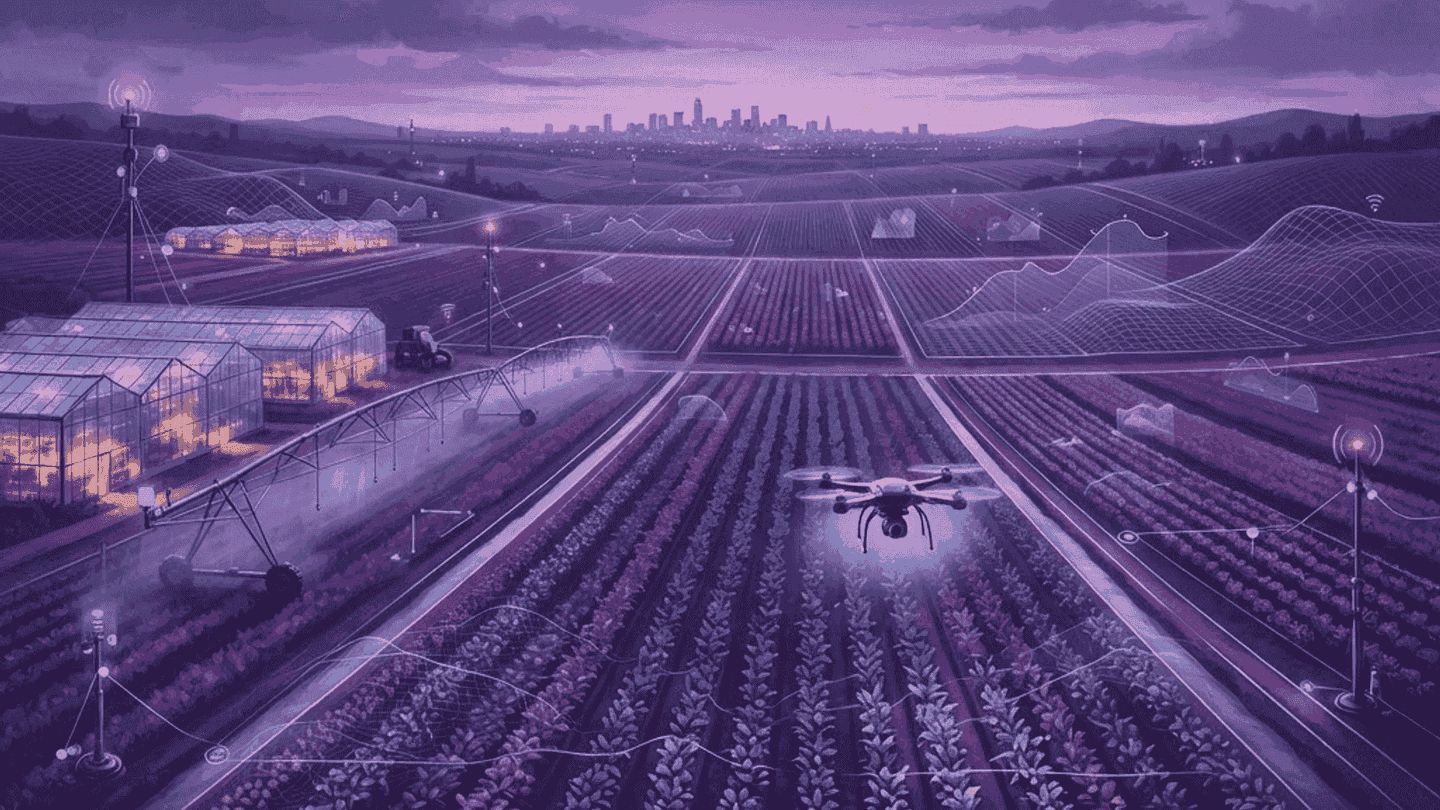
Controlled environment agriculture continues to expand where land is scarce and freshness commands a premium. Precision tools — soil moisture sensors, weather modelling, drone imagery and variable rate application — are becoming accessible to mid-sized operations rather than only large farms. Water stewardship has moved to the centre of planning as rainfall patterns become less predictable. Direct-to-consumer and short-chain sales remain structurally stronger than before, and demand for local provenance from restaurants and institutional kitchens continues to grow.
Working with Local Producers
Buyers should plan seasonally and commit to volumes early, because growers make planting decisions months ahead. Discuss grading expectations explicitly to avoid rejected deliveries over cosmetic standards. Ask for food safety documentation up front. And consider contracting for a full season rather than shopping week to week, since predictable demand lets a farm invest in the quality and consistency you are asking for.
Final Thoughts
Farming in the Arlington area demonstrates how agriculture adapts to urban proximity: smaller footprints, higher value crops, tighter supply chains and heavier reliance on technical management. Whether the model is a regenerative land programme, a hydroponic facility or a cooperative aggregating small growers, the strongest operations share consistency, documentation discipline and diversified market channels.