
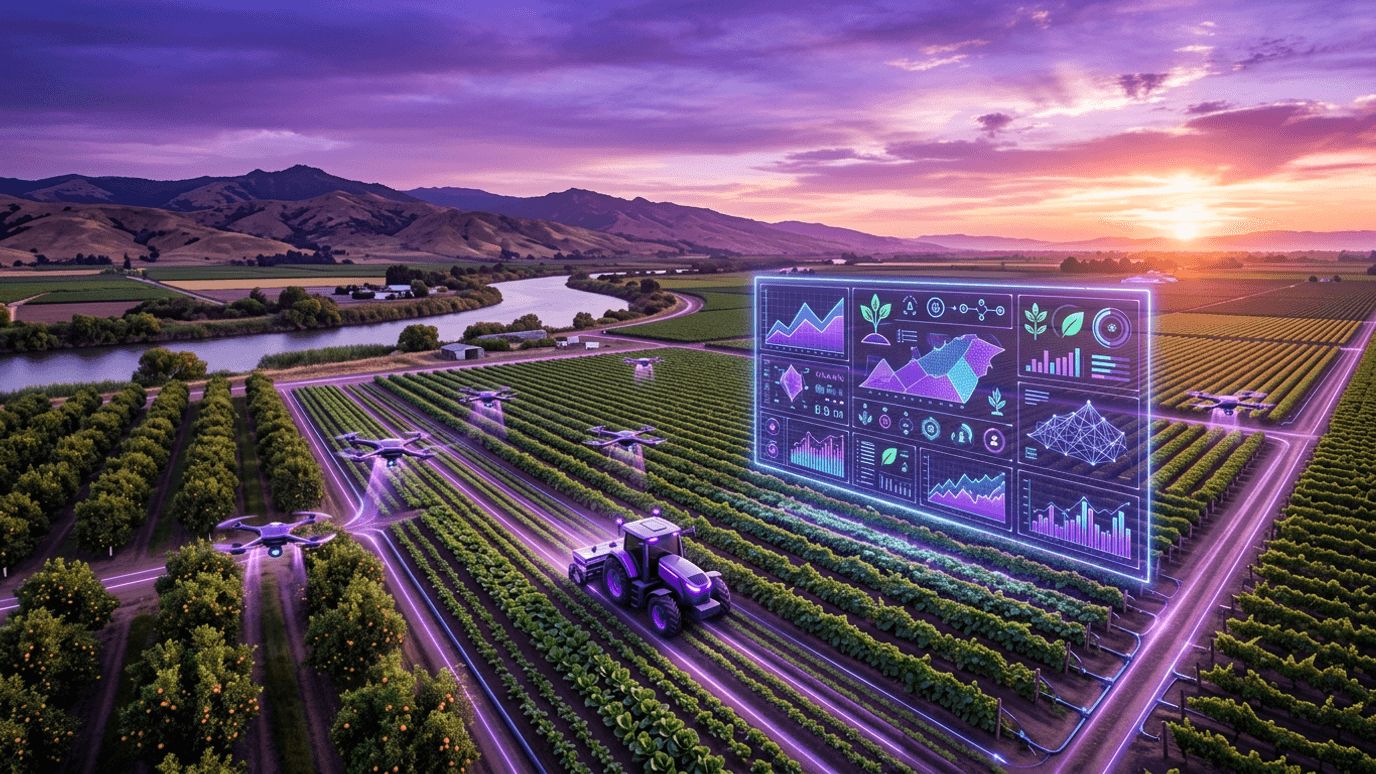
Antioch borders some of the most productive farmland in California. To the east lie the orchards and fields of Brentwood, Knightsen, and Oakley, while the broader Sacramento San Joaquin Delta supports a remarkable variety of crops. The region is famous for sweet corn, cherries, peaches, apricots, and tomatoes, and U-pick farms draw visitors from across the Bay Area every summer.
Farming companies in and around Antioch range from multi-generation family farms to large agricultural cooperatives. The following ten farming companies stand out for their quality, influence, and contribution to the regional food economy.
Agriculture Around Antioch
The Delta's fertile soils, warm summers, and access to water create ideal growing conditions. Local farms supply farmers markets, restaurants, grocery stores, and food processors. However, they also face challenges such as water availability, urban development pressure, and labor shortages. Farms that innovate with water efficiency and direct-to-consumer sales are thriving.
The Top 10 Farming Companies Serving Antioch
1. Frog Hollow Farm
Frog Hollow Farm in Brentwood is an organic farm renowned for its exceptional peaches, nectarines, cherries, and pears. Its fruit is sold at Bay Area farmers markets and through its online store. Frog Hollow's focus on organic practices and flavor-first growing has earned a loyal following among chefs and food lovers.
2. Dwelley Family Farms
Dwelley Family Farms in Brentwood has been growing produce for generations and is particularly known for its sweet corn. The farm sells directly to consumers through its farm stand and farmers markets. Its long history and commitment to freshness make it a beloved part of East County agriculture.
3. Smith Family Farm
Smith Family Farm in Brentwood offers U-pick and farm stand produce, including cherries, peaches, and vegetables. It provides families with a hands-on experience of farm life. The farm's seasonal events and fresh offerings make it a popular destination for Antioch residents.
4. Taylor Farms
Taylor Farms is a leading producer of fresh-cut vegetables and salads, with processing operations in nearby Tracy. It supplies grocery stores and food service customers nationwide. Its regional presence supports jobs and agricultural activity in the greater Delta area.
5. Driscoll's
Driscoll's, based in Watsonville, is the world's leading berry company, partnering with independent growers to produce strawberries, raspberries, blueberries, and blackberries. Its focus on flavor and quality has made its berries a grocery staple. Driscoll's research and grower support programs set industry standards.
6. The Wonderful Company
The Wonderful Company is one of California's largest agricultural businesses, producing pistachios, almonds, citrus, and pomegranates. Its brands are widely recognized in grocery stores. The company's investments in water efficiency and community programs influence agricultural practices across the state.
7. Bolthouse Farms
Bolthouse Farms is a major producer of carrots and fresh vegetables. Its products are sold in grocery stores nationwide. The company's scale and innovation in fresh produce have made it an important part of California's agricultural economy.
8. Blue Diamond Growers
Blue Diamond Growers, headquartered in Sacramento, is the world's largest almond cooperative. It represents thousands of California almond growers and markets their products globally. Its cooperative model gives family farmers access to international markets and processing infrastructure.
9. Pacific Coast Producers
Pacific Coast Producers is a grower-owned cooperative based in Lodi that processes canned fruits and tomatoes. It supports California farmers by providing reliable markets for their crops. Its proximity to the Delta makes it a key partner for regional growers.
10. Sun-Maid Growers of California
Sun-Maid is a grower-owned cooperative famous for raisins and dried fruits. Its iconic brand represents generations of California family farmers. Sun-Maid's cooperative structure helps growers compete in global markets while maintaining quality.
How to Choose a Farming Partner
Businesses sourcing from farms should consider product quality, growing practices, and supply consistency. Ask about organic or sustainable certifications, food safety programs, and seasonal availability. Building direct relationships with local farms can provide fresher products and support the regional economy.
Agricultural Trends in the Delta
Water efficiency technologies, such as drip irrigation and soil moisture sensors, are becoming essential. Agritourism and U-pick experiences are growing, providing additional revenue for small farms. Regenerative practices that improve soil health are gaining attention, and direct-to-consumer sales continue to expand through farm stands and online ordering.
Frequently Asked Questions
When is the best time to visit U-pick farms near Antioch?
Cherry season typically runs from late May into June, while peaches, nectarines, and sweet corn peak during the summer months. Checking each farm's seasonal updates before visiting is recommended, since harvest timing varies with weather each year.
How can Antioch restaurants buy directly from farms?
Restaurants can contact farms directly, visit farmers markets, or work with distributors that offer local sourcing programs. Direct relationships often provide fresher produce, better variety, and a compelling story for diners who value locally grown food.
What challenges do Delta farmers face?
Water availability, rising costs, labor shortages, and development pressure are the biggest challenges. Many farms are adopting efficient irrigation, diversifying crops, and expanding agritourism to remain viable.
Final Thoughts
Antioch's proximity to the Delta's agricultural heartland gives residents and businesses access to some of the finest produce in the country. By supporting local farms and established agricultural cooperatives, the community helps sustain a vital part of California's heritage and economy.