
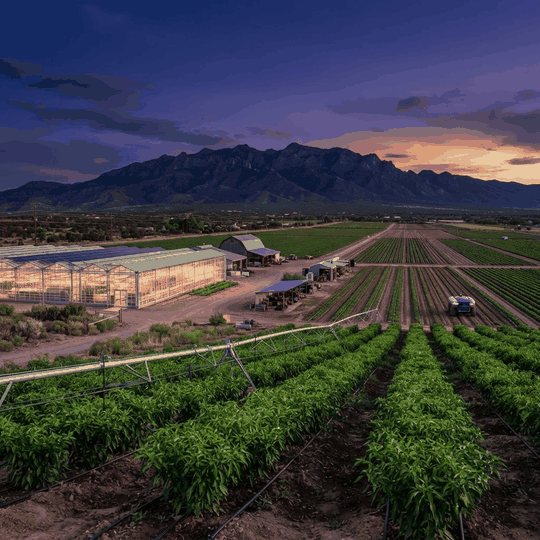
Agriculture in Albuquerque's High Desert
Farming in and around Albuquerque is a testament to ingenuity, blending centuries-old traditions with modern techniques to cultivate the high-desert landscape. The region's farming companies grow a remarkable variety of crops, raise livestock, and supply fresh produce to local markets, restaurants, and communities. Despite the challenges of an arid climate, agriculture remains a vital part of the area's economy and cultural identity.
The Rio Grande valley provides fertile ground and essential irrigation that make farming possible in this dry region. Leading farming companies harness these resources responsibly, producing everything from the world-famous New Mexico chile to a diverse range of vegetables, fruits, grains, and animal products.
What Sets Top Farming Companies Apart
The best farming companies distinguish themselves through quality, sustainability, and consistency. Producing high-quality crops and livestock requires careful attention to soil health, water management, and growing conditions. Top operations invest in these fundamentals to deliver produce that meets the standards of discerning buyers and consumers.
Efficient water use is especially critical in the high desert. Leading farms adopt advanced irrigation methods, drought-resistant crops, and soil conservation practices to make the most of limited water. This commitment to responsible resource management defines the region's most respected agricultural producers.
Products and Services Offered
Albuquerque's top farming companies produce a diverse array of goods. These often include the iconic Hatch and New Mexico green chile, along with corn, beans, squash, leafy greens, tree fruits, and other seasonal produce. Many farms also raise cattle, poultry, or other livestock, contributing meat, eggs, and dairy to the local food supply.
Beyond raw production, many farms offer value-added services and products. These can include farm-fresh sales through markets and community-supported agriculture programs, processed goods like dried chile or preserves, and partnerships with local restaurants and grocers. Some also provide agritourism experiences that connect the public with local agriculture.
Trends Shaping Local Agriculture
Sustainable and regenerative farming practices are gaining momentum. Growing awareness of soil health, biodiversity, and climate resilience is leading many farms to adopt organic methods, cover cropping, and reduced chemical use. These practices improve long-term productivity while protecting the environment.
Local food movements are also strengthening the sector. Consumers increasingly value knowing where their food comes from and supporting nearby growers. This demand for local, traceable produce benefits Albuquerque farming companies and encourages direct relationships between farmers and the communities they feed.
The Importance of Local Farming
Local farming companies provide benefits that extend well beyond fresh produce. They strengthen food security by reducing dependence on distant supply chains, support the regional economy, and preserve agricultural knowledge and open land. Buying local also means fresher, more nutritious food that travels shorter distances from field to table.
These farms also help maintain the cultural heritage of New Mexican agriculture. Traditional crops and growing methods passed down through generations remain alive through the work of dedicated local producers, enriching the region's identity and cuisine.
Supporting and Choosing Local Farms
Consumers and businesses looking to support local agriculture can seek out farms that prioritize quality, sustainability, and community engagement. Buying directly through markets, subscription programs, or partnerships helps ensure that farming remains viable and vibrant in the region.
For restaurants and grocers, partnering with reputable local farms guarantees fresh, high-quality ingredients and a compelling story to share with customers. These relationships benefit everyone involved and reinforce a resilient local food system.
Building a Practical Top-Ten Shortlist
A useful top-ten list should be treated as a starting point rather than a permanent ranking. Buyers can begin by creating a written scorecard covering product fit, quality assurance, order minimums, lead times, delivery coverage, payment terms, returns, and the knowledge of the sales team. Each candidate should be asked the same questions so that comparisons remain fair. Requesting a sample, visiting a showroom or facility when possible, and placing a small opening order can reveal more than promotional claims. References from established Albuquerque customers can also show how a supplier responds when inventory runs short or an order arrives damaged.
Price deserves careful review, but the lowest unit cost is not always the best overall value. Freight charges, breakage, inconsistent quality, slow replenishment, and difficult returns can erase an apparent saving. Buyers should calculate the complete landed cost and consider how reliably each supplier helps them protect their own customer relationships. A slightly higher price may be worthwhile when it comes with accurate fulfillment, accessible support, and dependable local delivery.
Finally, review supplier performance at regular intervals. Track order accuracy, fill rate, delivery timing, product defects, and issue resolution, then share constructive feedback with the account representative. Maintaining one primary partner and at least one qualified backup can reduce exposure to seasonal shortages or transportation disruptions. This disciplined approach turns a simple list of ten candidates into a resilient sourcing strategy suited to Albuquerque's growing and competitive market.
Conclusion
Farming companies are a cornerstone of Albuquerque's economy, culture, and food supply, cultivating the high desert with skill and dedication. The best operations combine quality production with sustainable water and soil management, diverse offerings, and strong community ties. Supporting these local farms ensures fresh food, a healthy environment, and the continuation of New Mexico's proud agricultural heritage.