
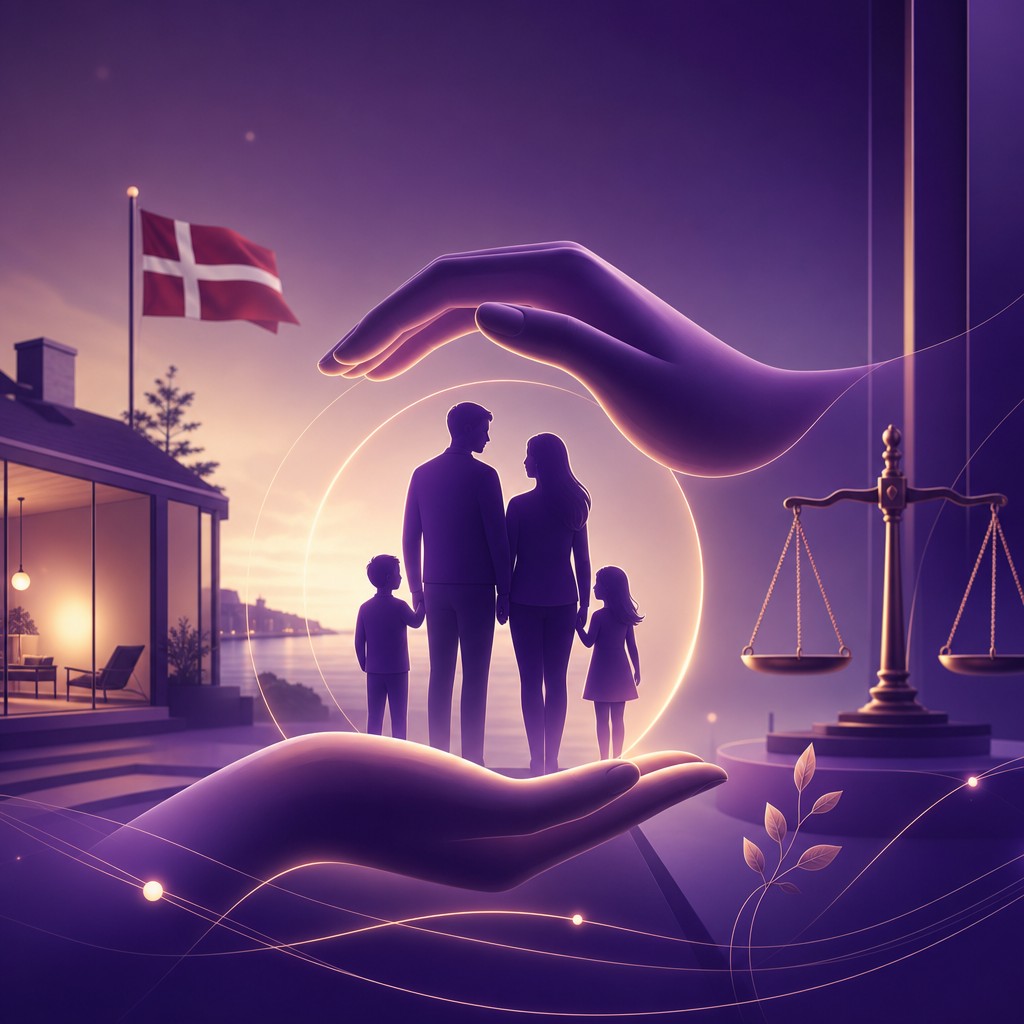
Understanding Family Law in Denmark
Family law touches some of the most personal and emotionally significant aspects of people's lives. In Denmark, this area of law governs matters such as marriage, divorce, child custody, parental responsibility, and inheritance. The Danish system is known for its emphasis on the welfare of children and its relatively streamlined administrative processes, yet many situations still call for the guidance of an experienced family lawyer.
Whether navigating the dissolution of a marriage, resolving a custody dispute, or planning for the future through wills and estate arrangements, individuals benefit greatly from professional legal support. The best family lawyers combine legal expertise with empathy, helping clients reach fair outcomes during difficult times.
Common Family Law Matters
Family lawyers in Denmark assist with a broad range of issues. Divorce and separation are among the most common, involving the division of assets, spousal support, and arrangements for any children. Child custody and parental responsibility cases require sensitive handling, always with the child's best interests at the forefront.
Other matters include the establishment of paternity, adoption, prenuptial and cohabitation agreements, and disputes over inheritance. Many family lawyers also advise on the legal dimensions of new relationships, blended families, and international family situations involving more than one country.
The Importance of a Compassionate Approach
Family law is unlike many other legal disciplines because of its deeply personal nature. The most effective family lawyers understand that clients are often experiencing stress, grief, or uncertainty. They provide not only sound legal advice but also reassurance and clear communication that helps clients make informed decisions.
A compassionate approach does not mean avoiding difficult conversations; rather, it involves guiding clients honestly while remaining sensitive to their emotional circumstances. This balance of professionalism and empathy is a hallmark of Denmark's leading family lawyers.
Navigating Divorce and Custody
Divorce in Denmark can often be handled administratively when both parties agree, but disputes over assets, support, or children frequently require legal intervention. Family lawyers help clients understand their rights and obligations, negotiate settlements, and represent their interests when agreements cannot be reached amicably.
Custody matters are approached with the child's welfare as the central consideration. Lawyers work to achieve arrangements that serve children's needs while respecting parents' rights. In international cases, where parents reside in different countries, experienced lawyers navigate the additional complexities of cross-border jurisdiction and enforcement.
Choosing the Right Family Lawyer
Selecting a family lawyer is an important decision that can significantly affect the outcome of a case. Prospective clients should look for lawyers with specific experience in family law and a track record of handling matters similar to their own. Strong interpersonal skills and a reassuring manner are particularly valuable given the sensitive nature of these cases.
It is also wise to consider a lawyer's approach to dispute resolution. Some clients prefer advisors who prioritise negotiation and mediation to preserve relationships, while others may need a strong advocate prepared for litigation. Clear communication about fees and expectations helps establish a productive working relationship.
Trends in Danish Family Law
Family law in Denmark continues to adapt to changing social realities. The increasing prevalence of international families has heightened the importance of cross-border expertise. Mediation and collaborative approaches are increasingly favoured as ways to resolve disputes amicably and reduce the emotional toll on families, especially children.
There is also growing attention to the legal recognition of diverse family structures, reflecting Denmark's progressive social values. Family lawyers who stay attuned to these developments are well positioned to serve the evolving needs of their clients.
The Role of Mediation in Family Disputes
Mediation has become an increasingly valued tool in resolving family disputes in Denmark. Rather than pursuing adversarial litigation, many families now turn to mediation to reach mutually acceptable agreements in a less confrontational setting. Family lawyers often act as mediators or advise clients participating in the process, helping them communicate constructively and focus on practical solutions.
This approach offers numerous benefits. It tends to be faster and less costly than court proceedings, reduces emotional strain, and helps preserve relationships that may need to continue, particularly when children are involved. By keeping decision-making in the hands of the parties themselves, mediation often produces outcomes that feel fairer and prove more durable over time.
Protecting Children's Interests
At the heart of Danish family law lies a steadfast commitment to the welfare of children. In any matter affecting a child, their best interests take precedence over the preferences of the adults involved. Family lawyers play an important role in ensuring that this principle is honoured, advocating for arrangements that provide stability, security, and meaningful relationships with both parents where appropriate.
Skilled family lawyers approach these matters with great sensitivity, recognising the lasting impact that family disputes can have on children. They help parents focus on their children's needs rather than their own conflicts, guiding them toward solutions that support healthy development and emotional wellbeing.
Conclusion
Family lawyers in Denmark provide essential support during some of life's most challenging moments. With their blend of legal expertise and genuine compassion, they help clients navigate divorce, custody, inheritance, and other sensitive matters with dignity and clarity. By choosing a knowledgeable and empathetic advisor, individuals and families can find the guidance they need to move forward with confidence and peace of mind.