
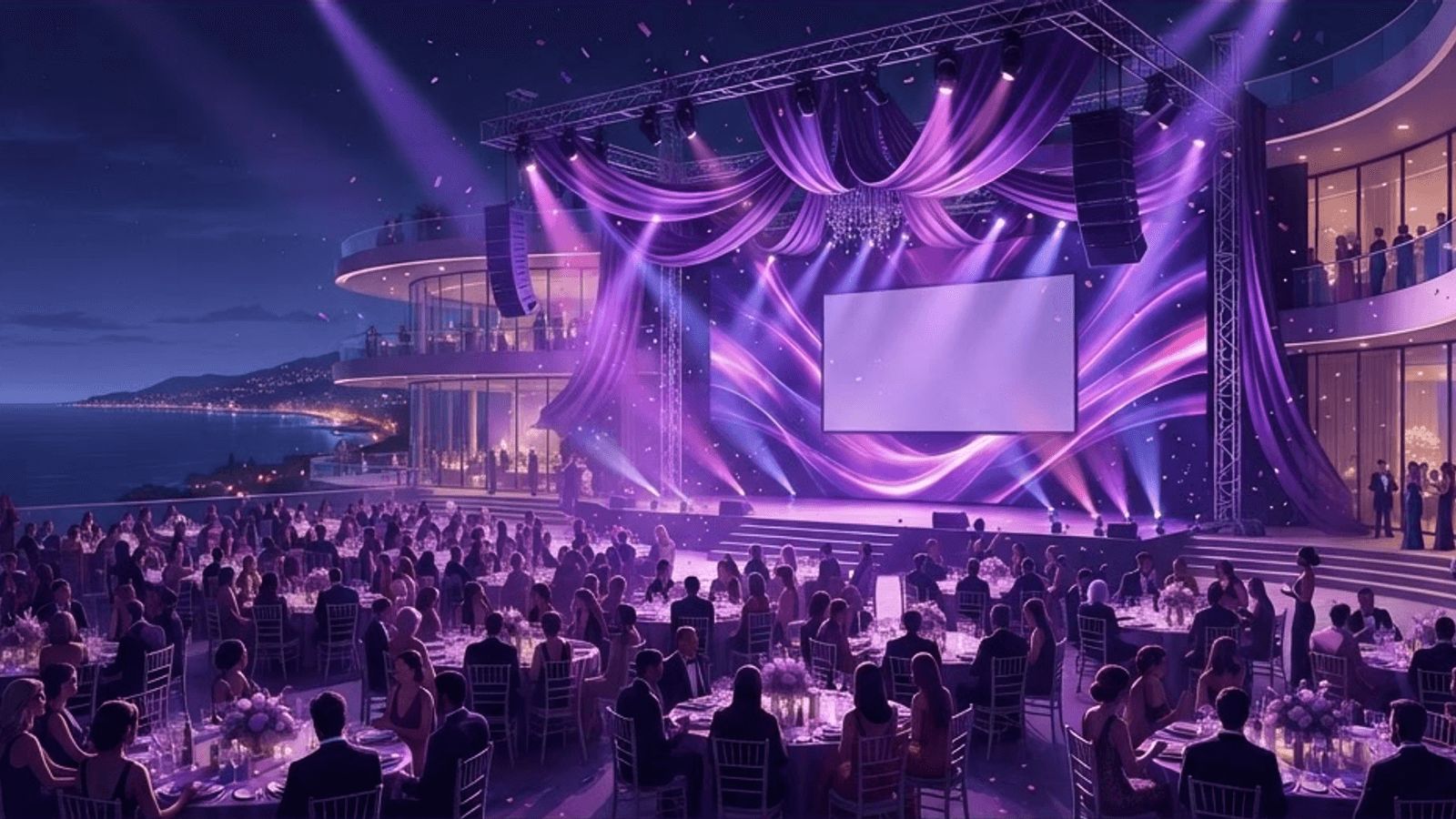
Why Oceanside Works as an Event Destination
Oceanside offers a combination that event planners find genuinely valuable: an authentic coastal setting, venue costs below those of more established Southern California destinations, a reliable climate and enough hotel inventory to host multi-day programs. Add a historic pier, a working harbor and open beachfront, and the location supports everything from intimate weddings to multi-thousand-person festivals.
That accessibility brings complexity. Coastal events involve permits, tidal considerations, wind, parking constraints and noise ordinances. Experienced local event managers earn their fees largely by navigating these issues invisibly, so the client experiences a smooth event rather than a series of resolved crises.
What Separates a Strong Event Company
Vendor relationships are the most underrated asset. An event manager with established relationships across catering, rentals, audio visual, staffing and transportation can secure availability, better pricing and genuine accountability during a problem. A newcomer booking vendors cold has none of that leverage.
Contingency planning is the second differentiator. Coastal weather shifts, vendors occasionally fail and equipment breaks. Professional planners build documented backup plans for each critical dependency, and clients rarely learn that anything went wrong.
Budget transparency is the third. Clear contracts distinguishing planning fees, vendor pass-through costs, commissions and contingency allowances prevent the disputes that sour otherwise successful events.
The Top 10 Event Management Companies in Oceanside
1. Coastal Celebrations Event Group. A full-service planner specializing in beachfront weddings, handling permits, tide scheduling, wind mitigation and the logistics of building a formal event on sand. Its permit expertise alone saves clients considerable frustration.
2. Pacific Corporate Events. Focuses on conferences, product launches and incentive programs, with strong capability in registration technology, audio visual production and multi-day agenda management for business audiences.
3. Harbor Festival Productions. Manages large-scale public festivals and community events, including crowd management, vendor coordination, safety planning and municipal permitting at a scale most planners cannot handle.
4. Mission Private Party Planners. Serves milestone celebrations, anniversaries and private social gatherings with design-led planning and an emphasis on personalized detail rather than templated packages.
5. North County Nonprofit Event Services. Specializes in galas, auctions and fundraising events, with expertise in donation technology, sponsorship fulfillment and the specific economics of events whose purpose is net revenue rather than experience alone.
6. Sunset Audio Visual and Production. Provides staging, lighting, sound and live streaming production. Hybrid and streamed components have become standard expectations, and technical execution quality is now highly visible to audiences.
7. Del Mar Luxury Weddings. Concentrates on high-end weddings with full design, floral direction, guest experience management and destination logistics for out-of-town wedding parties.
8. Camino Catering and Event Services. Combines catering with event coordination, which simplifies accountability for food-centered events and allows tighter integration between menu design and event flow.
9. Verde Sustainable Events. Builds low-waste events using compostable service ware, local sourcing, waste diversion and carbon accounting, serving organizations with formal sustainability commitments.
10. Oceanside Event Rentals and Staging. Supplies tents, furniture, dance floors, linens and decor with delivery and installation, functioning as the physical infrastructure layer behind many of the region's events.
Trends in Event Management
Hybrid formats have become permanent. Even primarily in-person events now include streamed or recorded components, which changes staging design, lighting requirements and content pacing in ways that purely in-person planning does not account for.
Experience design has displaced decoration as the organizing principle. Planners now think in terms of guest journey, pacing and interactive moments rather than simply arranging an attractive room, and attendees notice the difference.
Sustainability expectations are rising steadily. Waste diversion, local sourcing and reduced single-use materials have shifted from differentiators to baseline requirements for many corporate and institutional clients.
Planning Advice for Clients
Book early, particularly for coastal venues during peak season. The best dates and vendors commit twelve to eighteen months ahead, and late planning narrows options while raising costs.
Set a realistic budget including contingency. A ten to fifteen percent reserve absorbs the changes that occur in nearly every event without forcing painful cuts to elements that matter.
Define decision authority clearly. Events stall when multiple stakeholders hold veto power without a designated final decision maker, and that delay usually costs both money and quality.
Understanding Permits and Coastal Logistics
Events near the water involve a permitting layer that inland venues do not. Depending on location and scale, organizers may need city special event permits, beach use authorization, amplified sound approval, temporary food facility permits, alcohol licensing and traffic or parking management plans. Each has its own lead time, and applications submitted late are routinely denied regardless of how well the event is otherwise planned.
Physical logistics deserve equal planning. Sand does not support standard staging or heavy equipment without matting, wind loads require engineered tent anchoring rather than standard staking, tides constrain usable footprint, and power access is frequently limited enough to require generators. Experienced coastal planners account for all of this in the initial site design, which is precisely why their fees are justified.
Measuring Event Success
Defining success before the event makes evaluation meaningful afterward. Attendance is the easiest metric and often the least informative. Depending on purpose, better measures include qualified leads generated, funds raised net of cost, attendee satisfaction scores, sponsor renewal rates or media reach. Collecting this data requires planning during the design phase, not improvising a survey afterward.
Final Thoughts
Oceanside's event management companies span weddings, corporate programs, festivals, fundraising galas and sustainable production. The right partner is the one with genuine experience in your specific event type, strong local vendor relationships and the permit knowledge that coastal events demand.