
Why Babylon Is a Strong Event Market
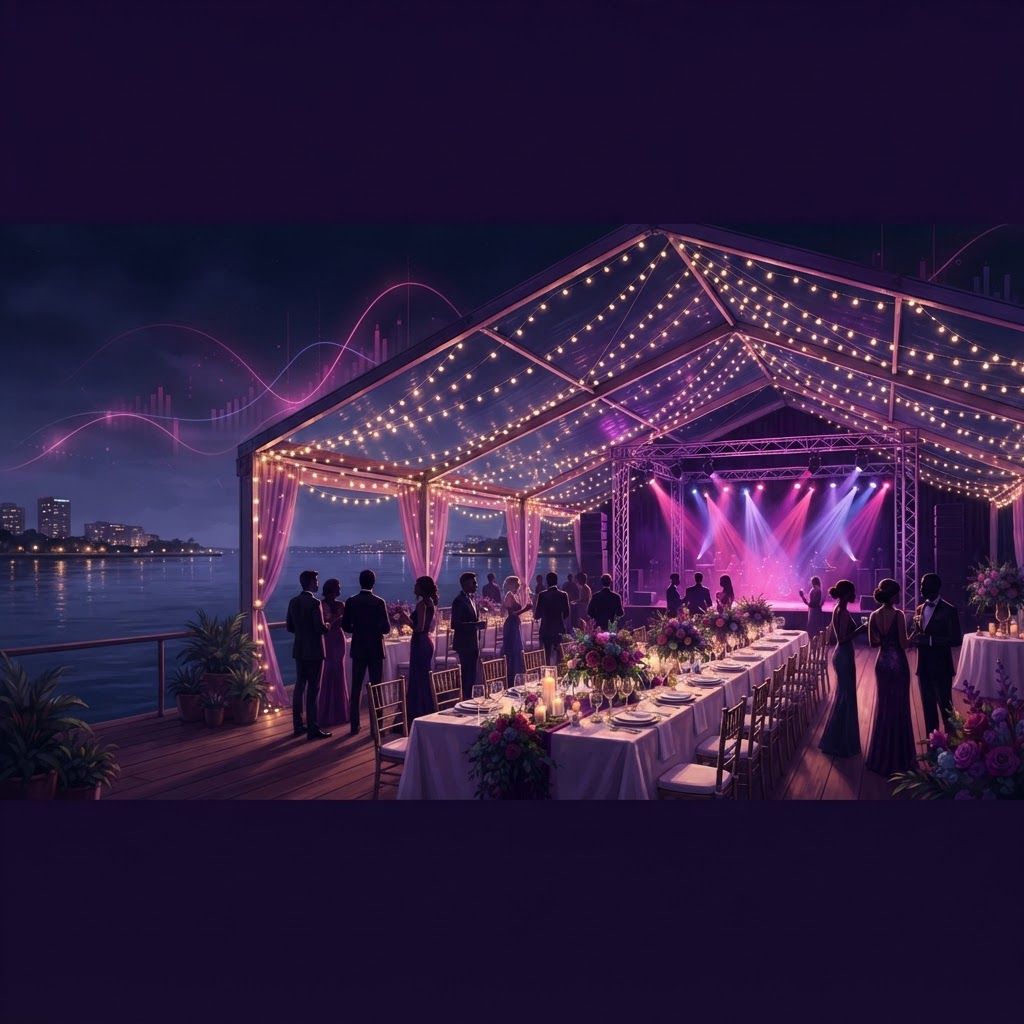
Babylon has natural advantages as an event destination. Waterfront venues along the Great South Bay provide settings that photograph beautifully, historic village architecture offers character, and proximity to New York City means guests can attend without long travel while hosts avoid Manhattan pricing. Ferry access to barrier island venues adds options that few suburban markets can match.
Those advantages come with logistical complexity. Waterfront events face weather exposure and wind. Barrier island venues require boat transport for both guests and equipment. Historic buildings often have capacity, noise, and load-in restrictions. Summer weekends book out far in advance while parking and traffic tighten. Experienced local event managers earn their fees primarily by anticipating these constraints rather than by choosing linens.
Types of Event Companies and What They Do
Full-service planners handle concept, vendor selection, budget, timeline, and day-of coordination end to end. Day-of coordinators execute a plan the client has built themselves, which suits organized hosts on tighter budgets. Corporate and conference specialists manage registration, audiovisual production, and multi-day logistics. Production companies focus on staging, lighting, sound, and tenting rather than guest experience. Catering-led planners build events around food service, and venue-based coordinators work within a single property with deep knowledge of its systems.
1. Babylon Waterfront Events Group
A full-service planner specializing in bayfront weddings, including tent structures, weather contingency, and ferry logistics for island venues. Contingency planning is the real deliverable in coastal event work.
2. South Shore Wedding Collective
Focuses exclusively on weddings, offering full planning and partial coordination packages. Wedding specialists maintain vendor relationships that produce reliability and, often, better pricing than a client can negotiate alone.
3. Great South Bay Corporate Events
Manages meetings, conferences, and company functions with registration systems, audiovisual production, and hybrid streaming. Corporate work rewards precise timeline management and technical redundancy.
4. Suffolk Festival & Community Productions
Handles municipal festivals, street fairs, and large public events including permitting, vendor coordination, security, and crowd management. Public safety compliance is the dominant concern at this scale.
5. Coastal Catering & Event Design
Combines culinary service with event styling, offering coordinated menu and design concepts. Catering-led planning tends to produce strong guest satisfaction because food is what most attendees remember.
6. Island Tent & Production Services
Provides tenting, staging, lighting, power distribution, and climate control. Structural engineering knowledge matters here, since wind loading on waterfront tent installations is a genuine safety issue.
7. Harborline Nonprofit Gala Planners
Specializes in fundraising events, auctions, and donor experiences with attention to net revenue rather than gross production value. Fundraising events succeed or fail on the balance between guest experience and cost control.
8. Sunrise Private Party Planners
Handles milestone celebrations, anniversaries, and family gatherings at private residences. Residential events require careful attention to parking, noise ordinances, restroom facilities, and neighbor relations.
9. Bayview Destination Wedding Coordinators
Serves out-of-town couples marrying locally, managing accommodation blocks, guest transportation, and multi-day itineraries. Destination coordination is largely a logistics and communication discipline.
10. Babylon Micro-Event Studio
Focuses on intimate gatherings under fifty guests, elopements, and small dinners. Smaller events allow higher per-guest quality and have grown into a durable segment of the market.
Trends in Event Management
Micro-events and smaller guest counts have persisted as a deliberate choice rather than a compromise, letting hosts spend more per guest on food and experience. Hybrid and streamed components remain standard for corporate events, expanding reach without proportional cost. Sustainability practices including reduced single-use materials, local sourcing, and food donation partnerships are increasingly requested. Experience-driven programming such as interactive stations and live entertainment has displaced purely decorative spending. And transparent, itemized budgeting has become an expectation, with clients wanting to see exactly where money goes.
Choosing and Working With a Planner
Decide first whether you need full planning or day-of coordination, since paying for full service you do not need is the most common overspend. Ask for a written scope defining exactly which vendors the planner manages and what remains your responsibility. Confirm how vendor commissions and markups are handled so incentives are clear. Verify insurance and permitting responsibility, particularly for public or waterfront events. Discuss weather contingency in specific terms, including the decision deadline and additional cost for tenting or relocation. And book early for summer weekends, as the best venues and vendors commit far ahead.
Budgeting and Contract Details That Matter
Most event disappointments trace back to a budget or contract detail rather than to a vendor's ability. Service charges, administrative fees, and gratuities can add a substantial percentage to catering and venue costs, and comparing quotes that treat these differently produces misleading conclusions. Ask every vendor for an all-in figure including tax and fees before comparing anything.
Contracts deserve equal scrutiny. Confirm the deposit schedule and what portion becomes non-refundable at each stage. Clarify the final headcount deadline, since guaranteed minimums are billed whether guests attend or not. Check overtime rates for staff, bands, and rentals, because events routinely run long and those hours are rarely cheap. Verify insurance requirements, as many venues require liability coverage naming them as additional insured. And read the force majeure and postponement language carefully, particularly for outdoor events, so both parties understand what happens when weather makes the original plan impossible.
Final Thoughts
Babylon's event management companies range from waterfront wedding specialists and corporate producers to festival organizers, tent and production services, and micro-event studios. The right choice depends on the complexity of your logistics rather than the size of your budget. In a market defined by water, weather, and seasonal pressure, the planners worth hiring are the ones who tell you what could go wrong before they show you a mood board.