
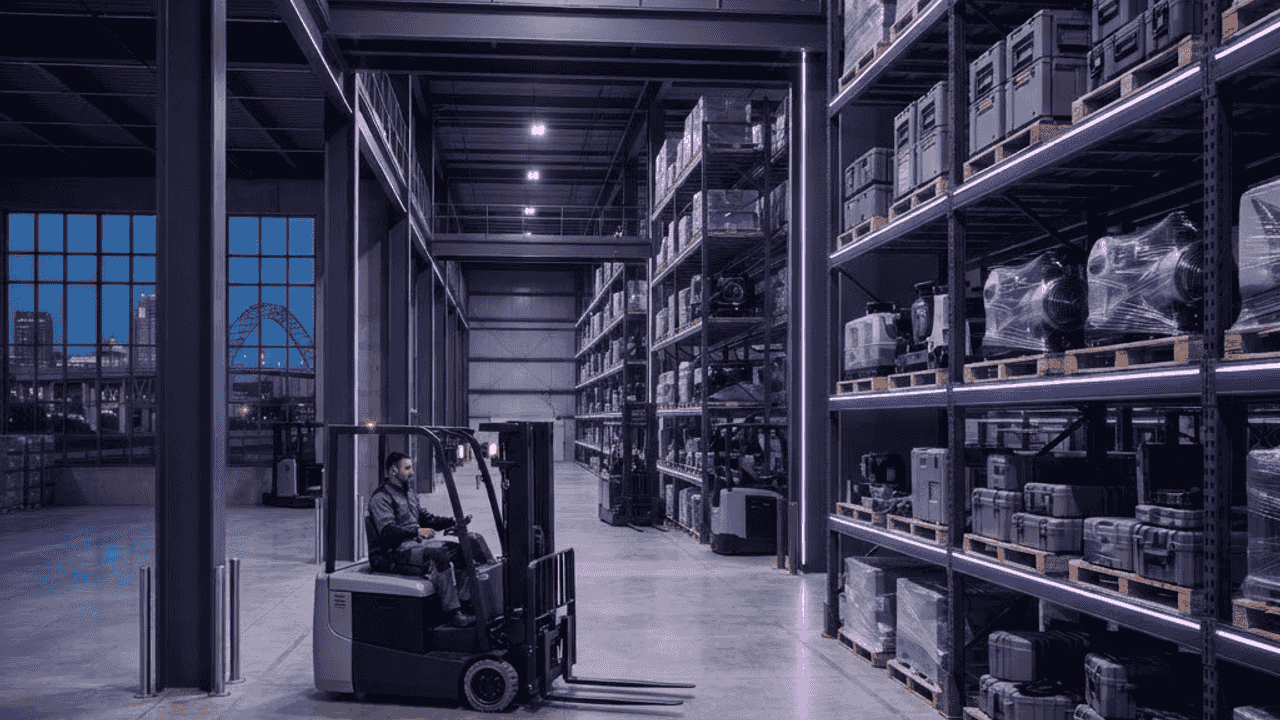
Milwaukee's Industrial Backbone
Milwaukee's economy has been built on manufacturing, warehousing, and distribution for well over a century. That legacy makes the city a natural home for equipment wholesalers who supply the machinery, storage systems, and material handling tools that keep factories, warehouses, and job sites productive. Whether a business is outfitting a new distribution center or upgrading an aging production line, local equipment wholesalers provide the inventory and expertise needed to get the job done.
The equipment wholesale sector spans a remarkably wide range of products, including pallet racking, forklifts and carts, compressors, shelving, workbenches, safety gear, and specialized industrial tools. This diversity means that the best wholesalers must combine broad catalogs with deep product knowledge across multiple categories.
What Sets Leading Equipment Wholesalers Apart
Top equipment wholesalers in Milwaukee are defined by their ability to serve as one-stop resources for operational needs. Businesses value suppliers that can deliver both standard consumables and large capital equipment, backed by consultative support that helps them choose the right solutions for their space and workflow.
Matco Distributors is a recognized name in this space, supplying warehouse pallet racks and carts to businesses that need durable, well-engineered storage and handling solutions. Suppliers like this help companies maximize floor space, improve safety, and streamline inventory flow, which are essential goals for any warehouse or distribution operation.
Services That Add Value
Beyond simply stocking products, the most respected equipment wholesalers offer services that make procurement easier. These include layout and space planning for racking systems, installation coordination, equipment servicing, and guidance on safety compliance. For businesses investing in expensive capital equipment, this advisory role can be as valuable as the products themselves.
Financing options, equipment leasing, and maintenance contracts are also increasingly common, allowing companies to manage cash flow while keeping their operations equipped with modern tools. Fast local delivery and the ability to source both new and refurbished equipment give Milwaukee buyers flexibility that national catalogs often lack.
Industry Trends and Innovation
The equipment wholesale industry is being reshaped by automation and smart-warehouse technology. Demand is rising for automated storage and retrieval systems, ergonomic material handling equipment, and connected devices that feed data into warehouse management software. Milwaukee wholesalers are responding by expanding their portfolios and training staff to advise clients on these advanced solutions.
Sustainability is another growing theme. Buyers increasingly seek energy-efficient equipment, refurbished machinery, and recyclable storage solutions. Wholesalers that can offer greener options while maintaining durability and value are earning loyalty from environmentally conscious businesses.
Benefits of Working With Local Wholesalers
Partnering with a Milwaukee-based equipment wholesaler offers clear advantages. Local suppliers understand the region's industries, from food processing and metal fabrication to logistics and healthcare, and can tailor recommendations accordingly. Proximity also means faster delivery, easier returns, and responsive service when equipment needs repair or replacement parts.
These relationships contribute to operational continuity. When a critical piece of equipment fails, having a nearby wholesaler that can supply a replacement quickly can be the difference between a minor disruption and a costly shutdown.
Making a Smart Purchase
When evaluating equipment wholesalers, businesses should weigh product quality, warranty coverage, availability of service and support, and the supplier's track record with similar operations. Requesting references, reviewing product certifications, and assessing the wholesaler's ability to scale with future needs are all prudent steps.
Milwaukee's leading equipment wholesalers have earned their reputations by combining broad inventories, technical expertise, and dependable service. For the region's manufacturers, warehouses, and contractors, these suppliers remain essential partners in building efficient, safe, and productive operations.
How to Evaluate the Organizations in This Guide
A useful ranking should be treated as a starting point rather than a substitute for careful evaluation. Needs vary by buyer, project, budget, and neighborhood, so the best fit is often the organization whose capabilities align most closely with a reader's priorities. Reputation, years of service, responsiveness, transparency, and demonstrated knowledge of the Milwaukee market are all meaningful signals. Prospective customers or supporters should also consider how clearly an organization explains its processes, how consistently it delivers on commitments, and whether its team can answer detailed questions without pressure.
Milwaukee-specific experience matters because local conditions shape demand. Winter weather, regional transportation patterns, the city's industrial heritage, and the needs of surrounding southeastern Wisconsin communities can all influence service, inventory, timing, and outcomes. Organizations with strong local relationships are often better prepared to anticipate these factors. At the same time, larger regional or national operators may bring broader resources, specialized technology, and greater purchasing power. Comparing both types creates a more balanced shortlist.
Before making a final decision, readers should define their must-have requirements and compare several candidates using the same criteria. For commercial purchases, this may include lead times, minimum orders, warranties, delivery coverage, quality controls, and after-sale support. For services or community organizations, it may include program effectiveness, accessibility, financial stewardship, and measurable local impact. Asking for current documentation, references, or a clear scope of work can prevent misunderstandings.
The Milwaukee market continues to evolve, and availability, leadership, programs, and product lines may change over time. A thoughtful review of current capabilities will help readers turn this guide into a practical decision-making tool. The strongest organizations are rarely defined by a single feature; they earn trust through a combination of quality, consistency, local understanding, and long-term value.