
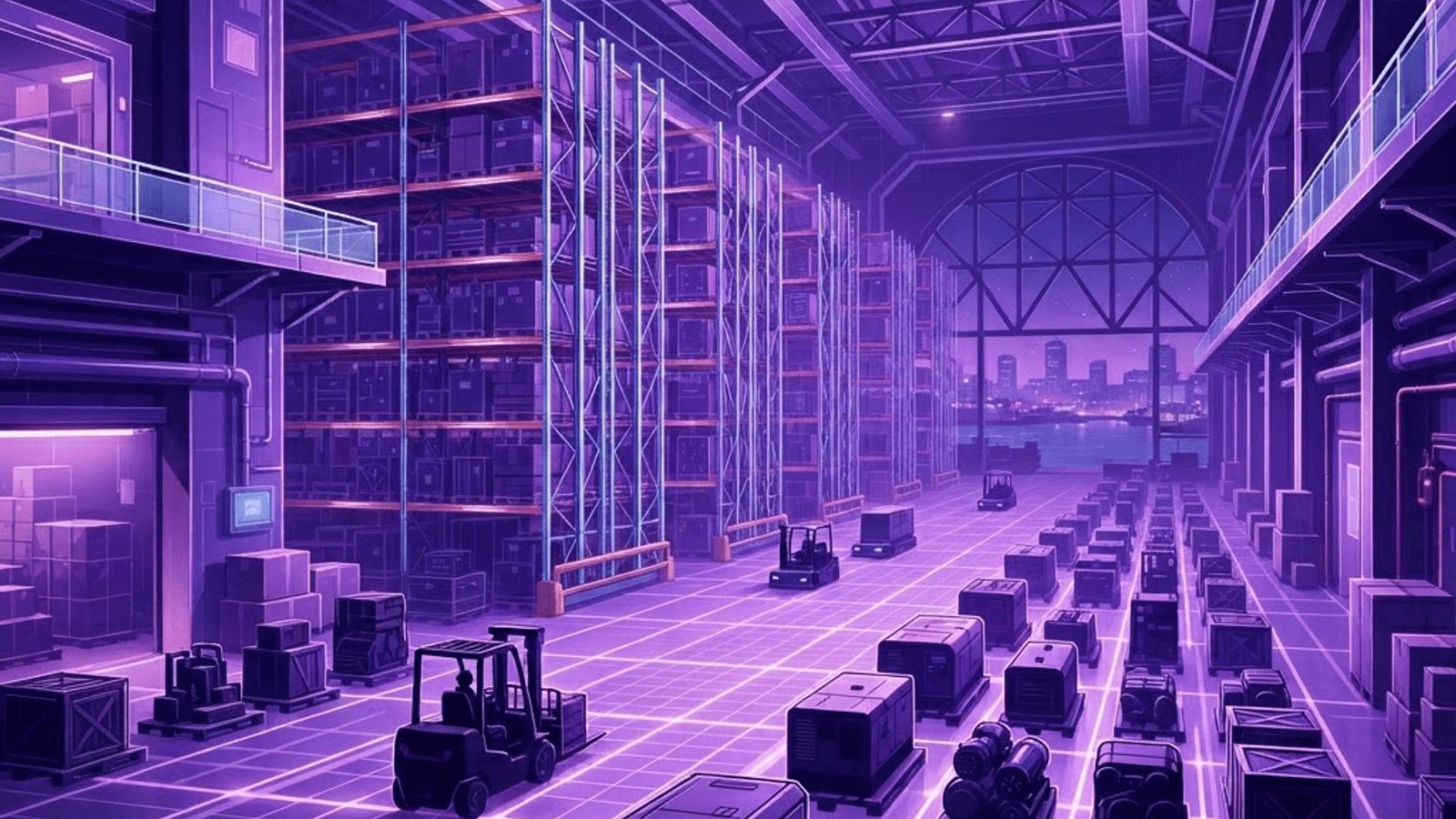
Equipment Supply as Business Infrastructure
Equipment wholesaling rarely attracts attention, yet it underpins almost every productive activity in Lancaster. Construction sites need power tools, access equipment and site services. Manufacturers need compressors, handling equipment and maintenance spares. Kitchens need refrigeration and cooking appliances. Facilities teams need cleaning machinery and grounds equipment. A capable wholesaler does more than sell machines; it advises on specification, arranges servicing, supplies consumables and keeps critical spares available so a breakdown does not become a shutdown.
The local sector reflects the mixed economy of the district, combining industrial, agricultural, hospitality and public sector demand. That diversity has encouraged suppliers to develop genuine depth in their chosen categories rather than spreading thinly across everything.
Evaluating an Equipment Wholesaler
Start with aftercare, because equipment purchasing decisions are dominated by lifetime cost rather than purchase price. Ask about spare part availability windows, service engineer response times, loan equipment during repairs and warranty administration. A slightly more expensive machine backed by rapid support is usually the cheaper option once downtime is priced in.
Compliance is the second consideration. Electrical safety, machinery guarding, lifting equipment inspection and pressure system requirements all carry legal obligations. Reputable suppliers supply conformity documentation, operating manuals and inspection certification without being chased.
Technical advice is the third. The best wholesalers ask about duty cycle, environment and operator skill before recommending a machine, which prevents the common mistake of buying equipment rated for occasional use and then running it continuously.
The Ten Best Equipment Wholesalers in Lancaster
1. Lune Industrial Equipment
Supplies compressors, generators, pumps and material handling equipment to manufacturers and contractors. In house servicing and a strong spares inventory minimise downtime for production critical assets.
2. Castle Tool Distribution
A trade tool wholesaler covering power tools, hand tools, fixings and accessories. Battery platform advice and repair services extend the useful life of expensive cordless fleets.
3. Northgate Catering Equipment
Focused on commercial kitchens with refrigeration, cooking ranges, dishwashing and stainless fabrication. Kitchen design support and planned maintenance contracts suit hospitality operators.
4. Quayside Lifting and Access
Specialists in hoists, slings, scaffolding components and access platforms, with statutory inspection services that help clients stay compliant with lifting equipment regulations.
5. Bowland Cleaning Machinery
Distributes scrubber dryers, vacuums, pressure washers and janitorial consumables to facilities providers and contract cleaners, with operator training included on larger machines.
6. Ashton Welding and Workshop Supply
Covers welding plant, gases, consumables, abrasives and fabrication tooling. Technical support on process selection helps workshops match equipment to material and thickness correctly.
7. Ridgeway Groundcare Equipment
Supplies mowers, brushcutters, utility vehicles and arboriculture equipment to grounds teams, landscapers and estates. Seasonal servicing programmes keep fleets ready for peak growing months.
8. Skerton Test and Measurement
Provides instrumentation, calibration services and inspection equipment for engineering and utilities clients, with traceable calibration certification.
9. Greenfold Refurbished Machinery
Sources, refurbishes and warranties used industrial equipment, offering substantial savings for buyers whose requirements do not justify new machine pricing.
10. Kestrel Safety and Site Equipment
Supplies personal protective equipment, site welfare units, barriers and signage. Rapid fulfilment on safety essentials is critical when a site inspection identifies a gap.
Trends in Equipment Distribution
Electrification and battery technology are transforming tool and machinery ranges. Cordless platforms now handle tasks that previously required petrol or mains power, reducing emissions, noise and cable risk. For urban and indoor work in Lancaster, this shift has practical compliance benefits as well as environmental ones.
Servitisation is the second trend, with more customers choosing rental, subscription or managed fleet arrangements rather than outright purchase. This converts capital expenditure into predictable operating cost and transfers maintenance responsibility to the supplier.
Connected equipment is the third. Telematics on machinery provide usage data, service alerts and location tracking, which reduces theft, improves utilisation and supports preventative maintenance rather than reactive repair.
How to Buy Well
Specify against duty cycle honestly. Overbuying wastes capital, but underbuying causes premature failure and repeated downtime. Request a demonstration for significant purchases, ideally in your own environment, and involve the operators who will use the equipment daily since their feedback exposes practical issues that specifications hide.
Build a consumables and spares plan at the point of purchase. Knowing lead times for wear parts before they fail allows sensible stockholding. Finally, keep service records diligently; they support warranty claims, maintain resale value and demonstrate compliance during audits.
Training, Compliance and Operator Competence
Buying the right equipment is only half the task. Many workplace incidents involve machinery operated by someone who was shown the basics informally rather than trained properly. Employers carry a clear duty to ensure operators are competent, and that duty extends to refresher training as staff change roles or equipment is modified.
The best wholesalers support this directly, offering operator training on delivery, familiarisation sessions for new starters and documentation that can be retained as evidence of instruction. When comparing quotations, ask explicitly whether training is included and whether records are provided, because retrofitting this later usually costs more.
Statutory inspection regimes deserve the same attention. Lifting equipment, pressure systems and certain access equipment require periodic examination at defined intervals, and missing one can invalidate insurance as well as breach regulations. Many Lancaster suppliers offer scheduled inspection services with automatic reminders, which removes the administrative burden of tracking dates internally and provides a clean audit trail when clients or inspectors ask for it.
Final Thoughts
Equipment wholesalers in Lancaster offer far more than catalogues and delivery vans. The strongest partners combine technical advice, statutory support and responsive servicing, and those capabilities determine whether equipment becomes a productive asset or a recurring frustration.