
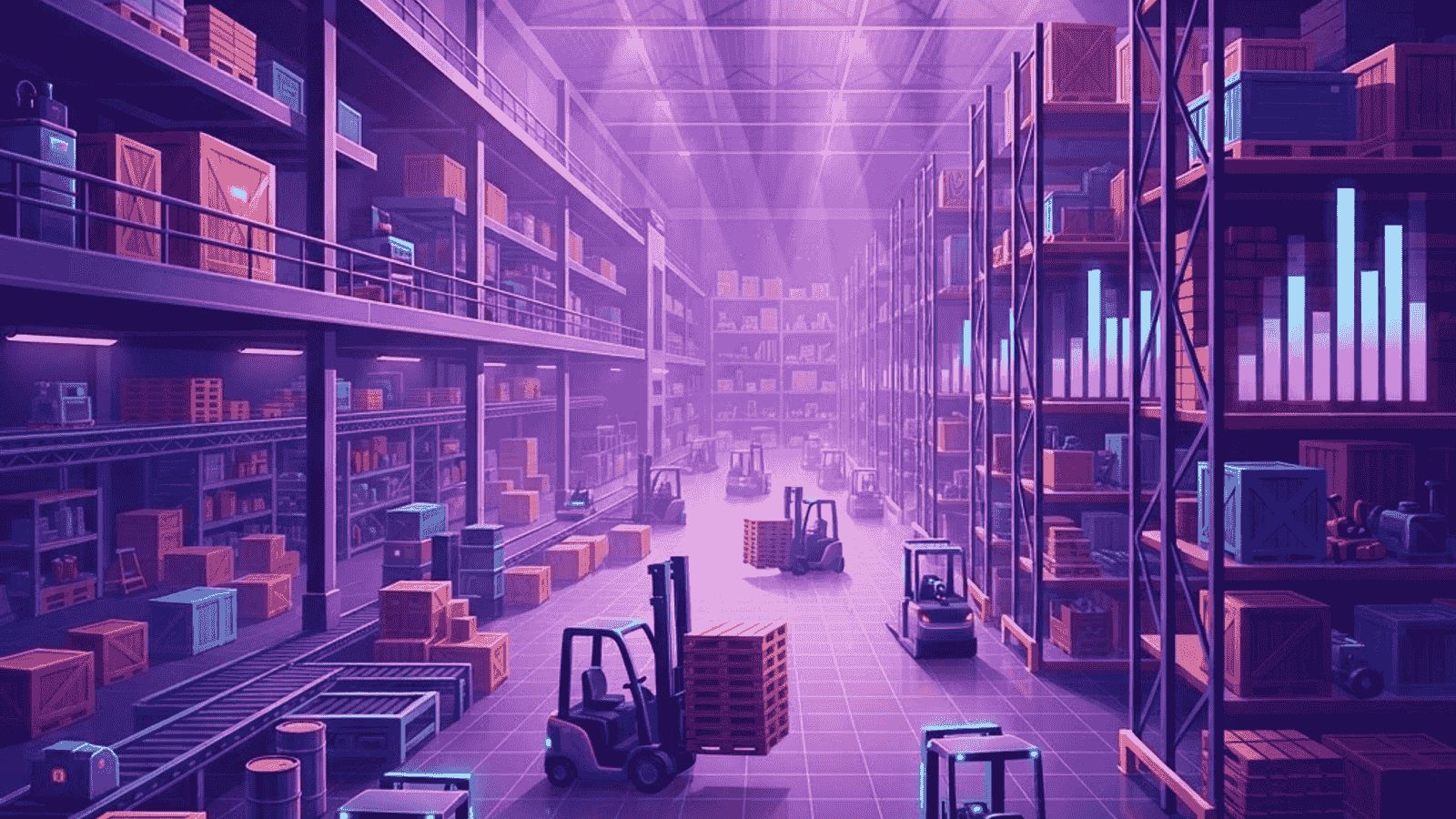
Equipment wholesaling is one of the least visible but most consequential parts of Aurora's business economy. When a compactor fails on a paving job, a walk-in cooler stops holding temperature or a warehouse forklift goes down mid-shift, the speed and competence of an equipment distributor determines whether the disruption lasts an hour or a week. Aurora's diverse commercial base, spanning construction, logistics, hospitality, healthcare and light manufacturing, has produced a correspondingly diverse set of wholesalers.
The Role of Equipment Wholesalers in a Growing City
Aurora's sustained development activity has increased demand for both capital equipment and the parts and consumables that keep it running. Unlike consumer retail, equipment wholesaling is a relationship business built on technical knowledge, financing flexibility, parts availability and post-sale service. A distributor who sells a machine but cannot support it creates a liability rather than an asset. The strongest wholesalers in the market therefore invest as heavily in service departments and parts inventory as they do in showroom stock.
The Top 10 Equipment Wholesalers Serving Aurora
1. Front Range Equipment Distributors
A broad-line supplier covering compact construction equipment, generators, compressors and site accessories. Front Range is widely regarded for its field service fleet, which allows technicians to complete many repairs on the job site rather than requiring transport to a shop. Its rental-to-purchase conversion program is popular with growing contractors managing capital carefully.
2. Aurora Material Handling Supply
Focused on forklifts, pallet jacks, conveyors, racking and dock equipment, this wholesaler serves the city's expanding warehouse and fulfillment sector. It offers fleet assessments that identify underutilized units and maintenance-heavy machines, helping operators reduce total cost of ownership rather than simply adding capacity.
3. Summit Foodservice Equipment Group
Supplying restaurants, institutional kitchens and food manufacturers, Summit stocks refrigeration, cooking lines, ventilation, prep equipment and smallwares. Its design consultation service helps operators lay out kitchens for workflow efficiency and code compliance, and its refrigeration service response is frequently cited as a differentiator in a category where failures cause immediate inventory loss.
4. Buckley Industrial Equipment Company
Serving manufacturers and fabricators, Buckley distributes machine tools, welding systems, air handling, dust collection and industrial safety equipment. Its applications engineers help buyers match equipment to production volume and tolerance requirements, avoiding both over-specification and premature capacity limits.
5. Mile High Landscape and Turf Equipment
A specialist in commercial mowers, aerators, sprayers, snow removal attachments and turf maintenance machinery. Given Aurora's pronounced seasonal shift, its dual-season inventory strategy and off-season overhaul programs allow landscape contractors to redeploy crews and equipment year-round with minimal downtime.
6. Cherry Creek Medical Equipment Wholesale
Supporting clinics, dental practices, long-term care facilities and surgical centers, Cherry Creek distributes examination equipment, sterilization systems, imaging accessories and patient handling devices. Its compliance documentation and preventive maintenance scheduling are essential in a regulated environment where inspection readiness is continuous.
7. Sable Ridge Power Systems
Concentrated on generators, uninterruptible power systems, transfer switches and load banks, this wholesaler supports facilities that cannot tolerate outages. It provides load studies, commissioning and periodic testing, which matters for data-adjacent operations, healthcare sites and cold storage facilities across the city.
8. Havana Street Tool and Shop Equipment
Serving automotive shops, fabricators and maintenance departments, Havana Street stocks lifts, presses, air systems, diagnostic equipment and shop furnishings. Its installation and certification services for vehicle lifts are a practical advantage for shops navigating safety inspection requirements.
9. Rocky Mountain Cleaning and Sanitation Equipment
This distributor covers floor scrubbers, pressure washing systems, extractors and industrial vacuums along with the chemicals and consumables that support them. Facility managers rely on its training programs, which materially extend equipment life by reducing operator-induced damage.
10. Colfax Rental and Wholesale Equipment
A hybrid model combining rental fleet access with wholesale sales, Colfax lets buyers trial machines under real conditions before committing capital. Its inspected used equipment program provides a credible mid-tier option for businesses that need capability without new-unit pricing.
What Separates a Strong Equipment Wholesaler
Parts availability is the clearest indicator of a serious distributor. A wholesaler that stocks wear items, filters, seals, belts and common failure components locally can restore a machine in hours. One that orders everything from a manufacturer hub cannot. Ask directly about parts fill rates and typical response windows.
Service capacity is equally important. Count technicians, not trucks. Confirm whether the distributor supports the specific models it sells and whether its team holds manufacturer certifications. Warranty administration should also be handled by the distributor rather than pushed onto the buyer.
Financing and structure options increasingly influence purchasing decisions. Leasing, rental purchase options and staged deployment allow businesses to scale equipment alongside revenue. Finally, training deserves attention. Equipment failures frequently trace back to operator error, and distributors who invest in onboarding reduce lifecycle costs measurably.
Trends Shaping Equipment Distribution
Telematics has moved from premium feature to expectation. Distributors now help customers interpret utilization, idle time and fault code data to schedule maintenance predictively. Electrification is also advancing quickly in material handling, compact construction and turf equipment, driven by emissions considerations and lower operating costs. Wholesalers are responding with charging infrastructure guidance and battery service capability.
Extended lead times on new equipment have elevated the importance of used and refurbished inventory, and reputable distributors are formalizing inspection and certification processes. Meanwhile, rental penetration continues to grow as businesses hedge against uncertain project pipelines.
Making the Right Selection
Choosing an equipment wholesaler in Aurora should begin with an honest assessment of downtime cost. Operations where an hour of stoppage is expensive should prioritize service depth and local parts inventory over unit price. Businesses with predictable, lower-intensity use can weigh acquisition cost more heavily. The distributors profiled here span both ends of that spectrum, and each has built a reputation on delivering capability that lasts beyond the sale.