
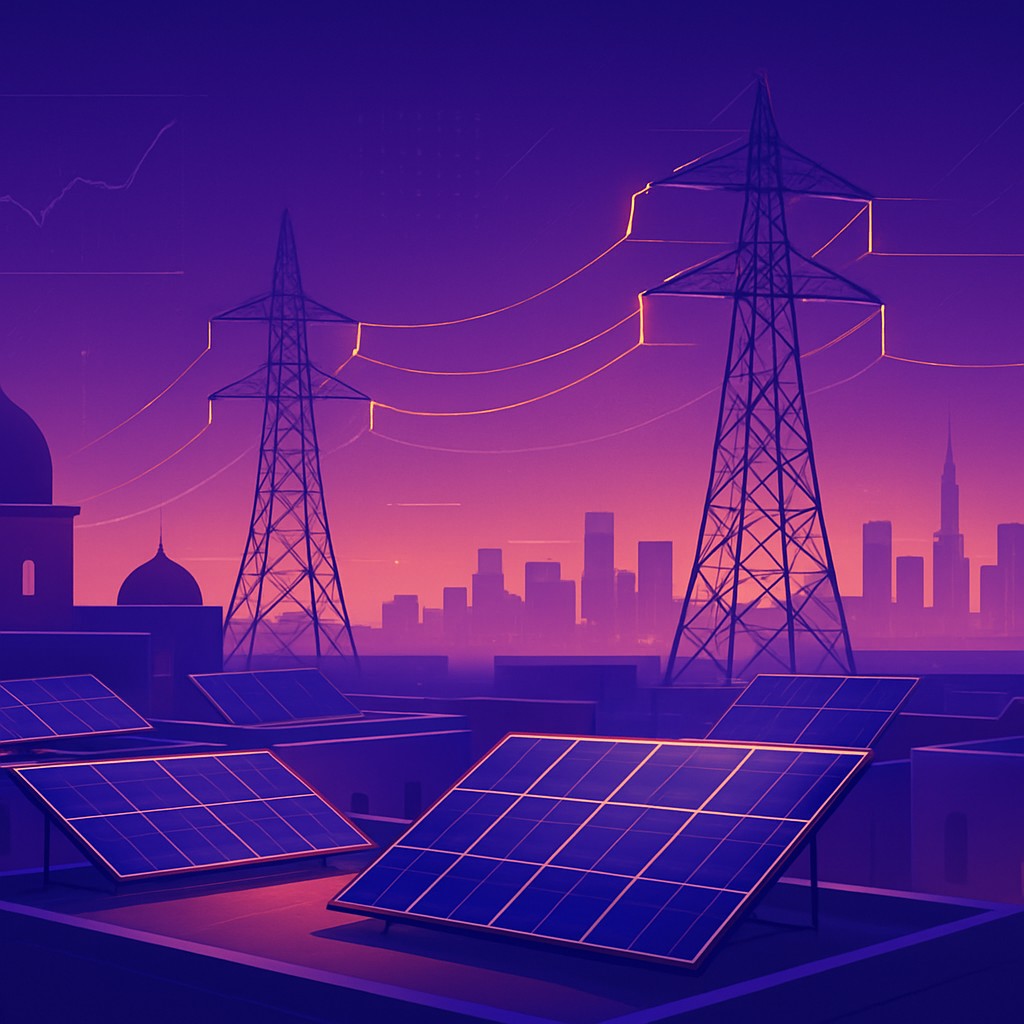
Understanding Yemen's Energy Supply Landscape
Energy supply in Yemen is a diverse and decentralized affair. Where many countries rely primarily on a single national utility, Yemeni households and businesses draw power from a patchwork of sources: the public grid where available, private diesel generators, rapidly expanding solar installations, and imported fuel distributed through a network of companies. This mosaic has created opportunities for a wide range of suppliers, each serving a particular need.
The defining feature of the market is resilience through diversification. With centralized infrastructure stretched thin, citizens and enterprises have embraced multiple energy streams. Solar in particular has surged, transforming rooftops across cities and villages into small power stations. The companies that supply, install, and service these systems have become essential to daily life.
The Top Energy Suppliers
1. Public Electricity Corporation remains the primary grid operator, responsible for generation and distribution across major population centers.
2. Yemen Solar Solutions has built a strong reputation supplying photovoltaic panels, inverters, and batteries to a population eager for independent power.
3. Aden Power Distributors specializes in fuel and generator supply for the southern commercial hub, keeping businesses running during grid gaps.
4. SunGulf Energy Yemen imports and distributes high-quality solar components and offers system design for residential and commercial clients.
5. Sanaa Energy Traders provides a broad mix of generators, fuel, and backup power equipment to the capital region.
6. Hadramout Power Supply focuses on the eastern governorates, combining fuel logistics with growing solar offerings.
7. GreenVolt Yemen emphasizes complete solar-plus-storage packages designed for reliability in areas with little or no grid access.
8. Taiz Energy Services serves the densely populated highlands with installation and maintenance of mixed energy systems.
9. Marib Fuel and Power leverages proximity to production areas to supply fuel and generation equipment efficiently.
10. National Solar Distributors operates across multiple governorates, prioritizing affordable solar kits for households on tight budgets.
What Energy Suppliers Provide
The services offered by these companies fall into several categories. Grid electricity supply, managed by the public corporation, forms the baseline where infrastructure exists. Fuel distribution keeps diesel and gasoline generators operating, which remains crucial for many businesses. Solar product supply has become the fastest-growing segment, encompassing panels, inverters, charge controllers, and lithium or lead-acid batteries.
Beyond products, the strongest suppliers offer system design, installation, and after-sales maintenance. A well-designed solar system requires correct sizing of panels and batteries to match a household's consumption, and quality suppliers guide customers through these decisions rather than simply selling hardware.
Trends Reshaping the Market
The most significant trend is the continued rise of solar energy. Falling panel prices and rising fuel costs have made photovoltaic systems increasingly economical, and many families now treat solar as a primary rather than backup source. Battery storage is advancing in parallel, allowing power to be banked during the day for use at night.
Another trend is the bundling of services. Customers increasingly prefer suppliers who can handle everything from assessment to installation and ongoing support, reducing the complexity of managing multiple vendors. Suppliers that offer warranties and reliable maintenance build lasting trust in a market where reliability is paramount.
How to Choose an Energy Supplier
When selecting an energy supplier in Yemen, buyers should weigh product quality, technical support, and reputation. Cheap components that fail quickly often cost more in the long run, so reputable suppliers who stand behind their equipment provide better value. For solar specifically, the availability of genuine batteries and inverters, along with knowledgeable installation, makes a significant difference in system lifespan.
Conclusion
Energy suppliers are the unsung heroes of daily life in Yemen, bridging the gap between limited centralized power and the constant demand of homes and businesses. Whether through the public grid, fuel distribution, or the booming solar sector, the companies highlighted here keep lights on and machines running. As solar adoption accelerates, these suppliers will remain central to a more resilient and self-reliant energy future.