
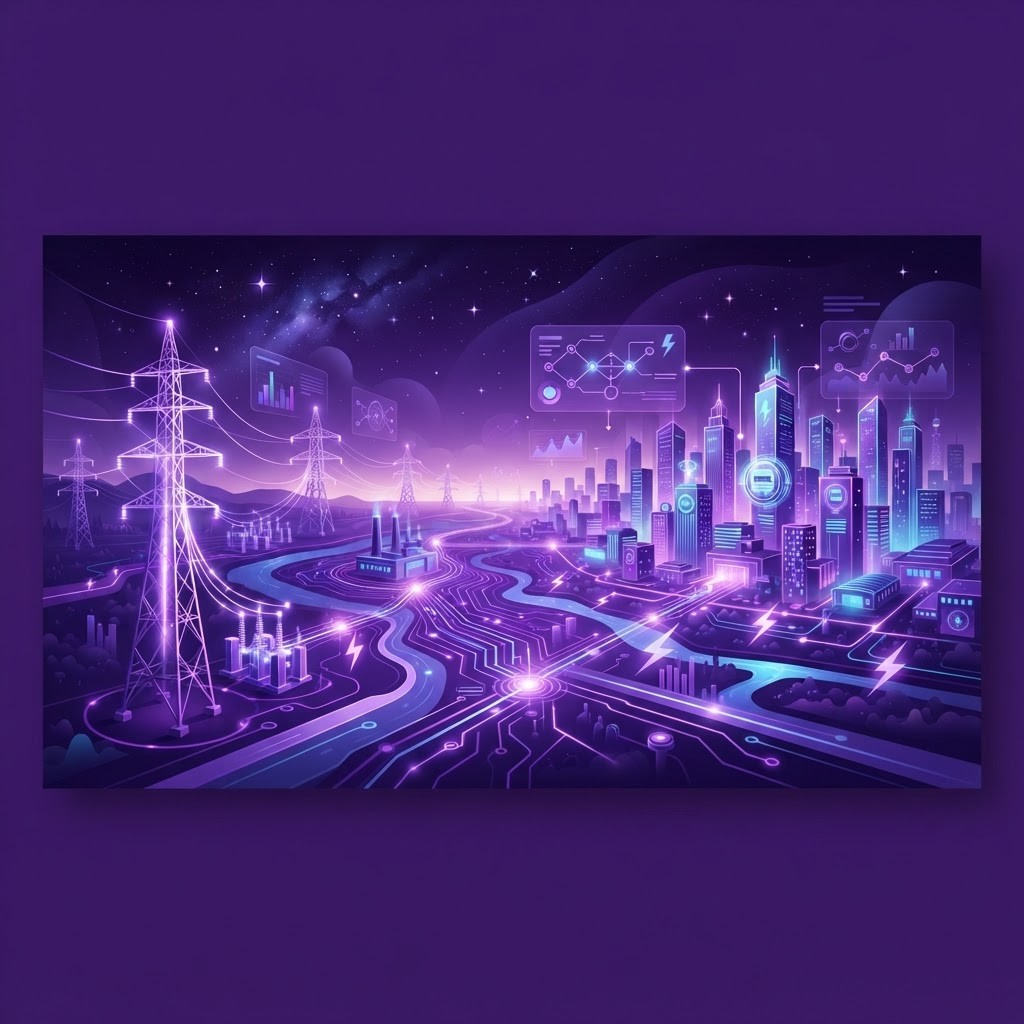
The Foundation of a Functioning Economy
Energy suppliers form the essential infrastructure that keeps the State of Palestine running. From powering homes and hospitals to fueling factories and offices, these companies ensure that electricity and energy services reach every corner of the territory. Their reliability directly influences quality of life, economic productivity, and the pace of development.
Delivering energy in the region involves navigating complex challenges, including supply constraints and infrastructure limitations. The best energy suppliers rise to these challenges with resourcefulness, investing in systems and services that provide dependable power while planning for a more sustainable and diversified future.
Why Energy Suppliers Are Essential
Access to reliable energy is a prerequisite for nearly every aspect of modern life. Businesses depend on consistent power to operate machinery, preserve goods, and serve customers. Households rely on electricity for lighting, cooking, communication, and comfort. Public services such as healthcare and education cannot function effectively without dependable energy.
Energy suppliers bridge the gap between generation and consumption, managing distribution networks, billing, customer service, and maintenance. Their role extends beyond simply delivering power; they are stewards of a critical resource that underpins social stability and economic opportunity throughout the region.
Leading Energy Suppliers
Several organizations play central roles in the energy supply landscape. The Jerusalem District Electricity Company serves a large customer base and is known for its extensive distribution network and customer service. The Northern Electricity Distribution Company oversees supply across northern regions with a focus on reliability and expansion.
Other key players include the Southern Electricity Company, which serves southern areas, and the Hebron Electric Power Company, recognized for its infrastructure investments. Companies such as Palestine Energy Distribution and Unified Power Services complete a network of suppliers dedicated to keeping the lights on across the territory.
Services and Solutions
Energy suppliers offer a wide array of services beyond basic electricity delivery. These include grid maintenance, meter installation and reading, billing management, and responsive customer support. Many companies are also investing in modern infrastructure to reduce losses and improve efficiency.
Increasingly, suppliers are integrating renewable energy and offering support for distributed generation, such as rooftop solar. Firms like the Jerusalem District Electricity Company and Palestine Energy Distribution are exploring smart metering and digital platforms that give customers greater visibility and control over their consumption. These innovations enhance both reliability and customer satisfaction.
Industry Trends and Modernization
The energy supply sector is undergoing significant modernization. Smart grid technologies are being deployed to improve monitoring, reduce outages, and integrate renewable sources more effectively. Digital customer service channels, including mobile apps and online portals, are making it easier for consumers to manage accounts and report issues.
There is also a growing emphasis on sustainability and diversification. Suppliers are working to incorporate cleaner energy into their portfolios and to accommodate the rise of decentralized generation. Companies such as Unified Power Services and the Northern Electricity Distribution Company are embracing these trends to build more resilient and future-ready networks.
Benefits for Consumers and Businesses
Reliable energy supply delivers profound benefits. For households, it means comfort, safety, and access to modern conveniences. For businesses, dependable power translates into productivity, competitiveness, and the ability to serve customers without disruption. Consistent energy also supports critical services that safeguard public welfare.
Beyond reliability, suppliers that invest in efficiency and technology help reduce costs and environmental impact. Transparent billing, responsive support, and options for renewable integration empower consumers to make informed choices. These advantages reinforce the vital role that energy suppliers play in everyday life.
Challenges and Future Outlook
Energy suppliers in the State of Palestine operate within a demanding environment. Supply constraints, aging infrastructure, and the need for substantial investment all present ongoing challenges. Balancing affordability with the costs of maintenance and modernization requires careful management and long-term planning.
Looking ahead, the outlook is one of gradual transformation. Suppliers such as the Jerusalem District Electricity Company and the Southern Electricity Company are investing in grid upgrades, renewable integration, and digital services to build a more resilient system. As distributed generation grows and technology advances, these companies are positioning themselves to deliver cleaner, more reliable, and more efficient energy. This forward-looking approach will be essential to meeting rising demand and supporting sustainable development.
Conclusion
The energy suppliers highlighted here are indispensable to the functioning and progress of the State of Palestine. Through robust infrastructure, dedicated service, and a growing commitment to modernization and sustainability, they ensure that power reaches the people and businesses who depend on it. As the sector continues to evolve, these companies will remain at the heart of the nation's development, delivering the energy that fuels daily life and future growth. Their ongoing investments in modern infrastructure, renewable integration, and digital services promise a more reliable and sustainable experience for every customer. By balancing the demands of the present with a clear vision for the future, these suppliers ensure that dependable power continues to illuminate homes, sustain businesses, and support the essential services that communities rely upon.