
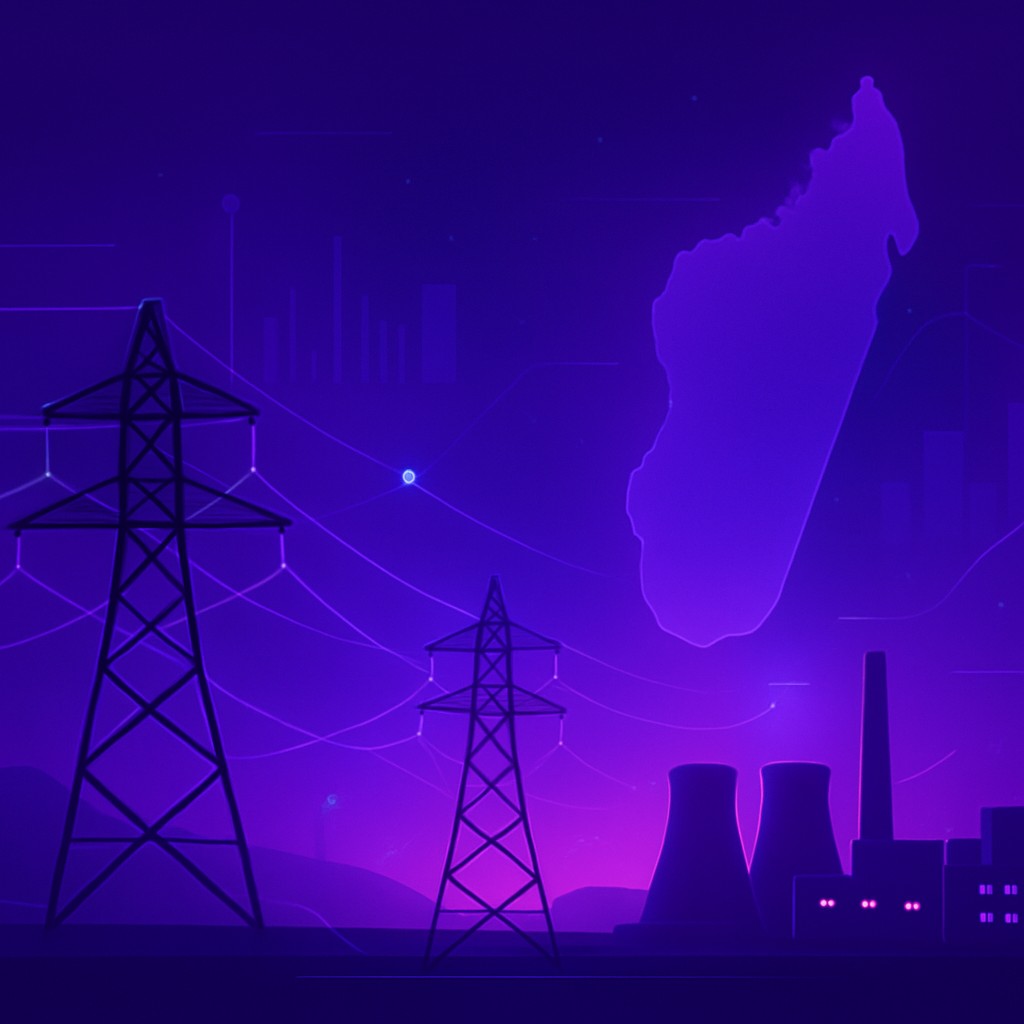
Powering Madagascar: The Energy Supply Sector
Energy supply is the backbone of any modern economy, and in Madagascar it is a sector marked by both significant challenges and remarkable innovation. The island's energy suppliers range from the state-owned national utility to private power producers, fuel distributors, and a growing cohort of off-grid renewable providers. Together they work to deliver electricity and energy services to a population spread across diverse and often hard-to-reach terrain.
Access to reliable energy remains uneven, with urban areas generally better served than rural regions. This reality has spurred a dynamic mix of solutions, from centralized grid power to decentralized mini-grids and solar home systems, each playing a part in expanding access and improving quality of life.
The Importance of Reliable Energy Supply
Reliable energy underpins economic development, education, healthcare, and daily comfort. Businesses depend on consistent power to operate, while households rely on it for lighting, communication, and cooking. In Madagascar, where many communities have historically lacked dependable electricity, expanding energy supply is a powerful driver of progress.
Energy suppliers therefore play a crucial role not only in keeping the lights on but in enabling broader social and economic transformation. Their investments and innovations directly influence the pace of national development.
Leading Energy Suppliers
Madagascar's energy supply landscape features several key players. Jirama, the national water and electricity utility, remains the largest supplier, operating the main grid and serving urban and peri-urban customers. Axian Energy is a major private investor developing diversified generation and supply solutions. WeLight provides rural communities with reliable mini-grid electricity.
Voltalia generates and supplies renewable power from solar and hydro assets. Galana and Jovena supply fuels that power generators and transport. HERi Madagascar delivers bundled energy and connectivity services to villages. Other important suppliers include Anka Madagascar, Total Energies Madagascar, Green Energy Madagascar, and Madagascar Hydro Power, each contributing to a more reliable and diverse energy ecosystem.
Diverse Supply Models
Energy suppliers in Madagascar employ a variety of models to reach customers. The national grid, managed by Jirama, distributes electricity generated from hydro, thermal, and increasingly renewable sources. Private producers sell power to the grid or directly to large consumers.
Off-grid suppliers use solar mini-grids and home systems to serve communities beyond the reach of the central network. Fuel distributors supply diesel and petrol for backup generators and transport. This multi-layered approach ensures that even remote areas can access some form of reliable energy.
Innovation and Customer Service
Leading energy suppliers distinguish themselves through innovation and customer focus. Pay-as-you-go payment systems, mobile money integration, and flexible financing have made energy more affordable and accessible. Smart metering and remote monitoring improve reliability and reduce losses.
Many suppliers also invest in customer education, helping users manage consumption and maintain equipment. Responsive service and transparent pricing are increasingly important as customers gain more choices.
Challenges Facing the Sector
The energy supply sector contends with aging infrastructure, financing constraints, and the logistical difficulty of serving a dispersed population. Power outages and supply gaps remain common, underscoring the need for continued investment and modernization.
Expanding generation capacity, upgrading transmission networks, and integrating more renewable sources are key priorities. Public-private partnerships and international support are helping address these challenges.
Toward a Brighter Energy Future
Madagascar's energy suppliers are at the heart of the nation's development story. As the country expands access, modernizes infrastructure, and embraces clean energy, these companies will play an ever more vital role. Through innovation, investment, and a commitment to reaching underserved communities, they are powering progress and building a more connected, prosperous future for all Malagasy people.