
Powering Cameroon's Future
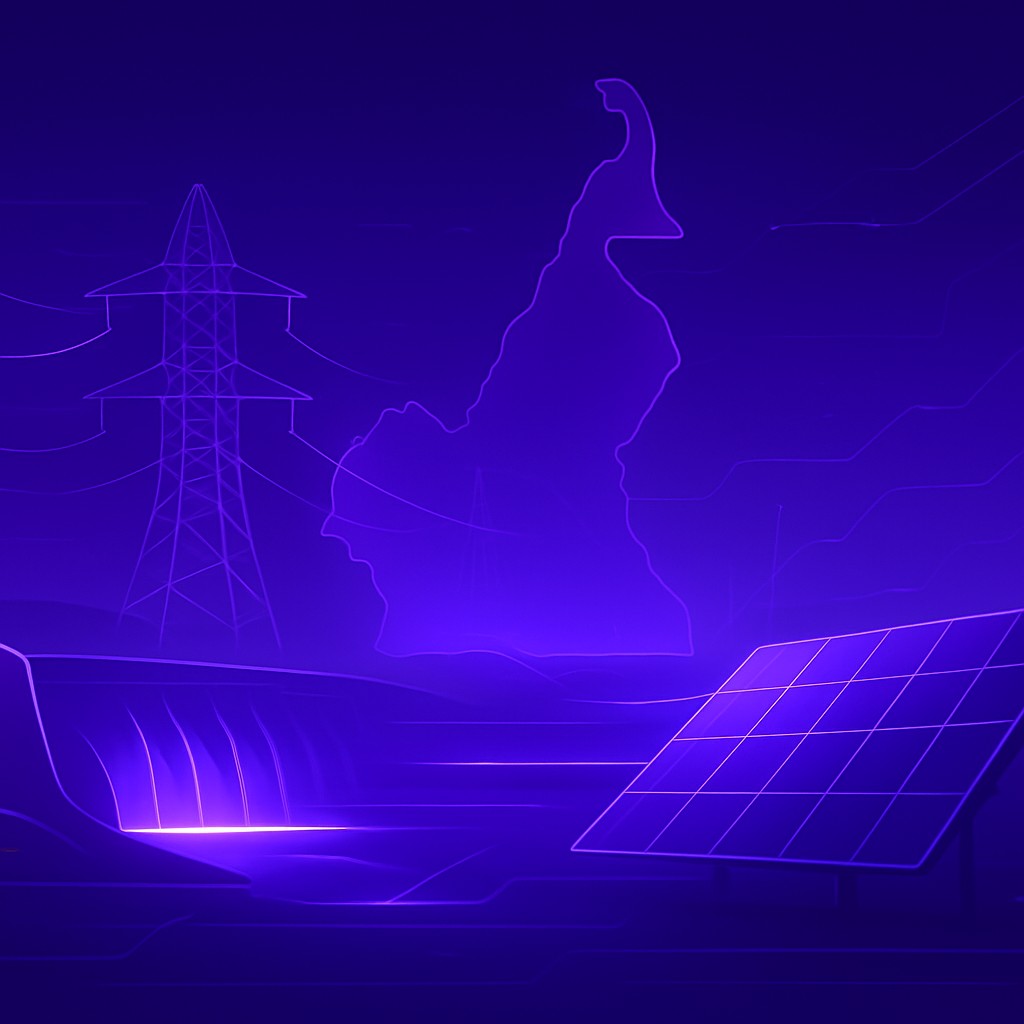
Energy is the backbone of Cameroon's economic transformation. As one of Central Africa's most resource-rich nations, the country benefits from abundant hydroelectric potential, growing solar capacity, and a steadily modernising power grid. From the bustling ports of Douala to the highland farms of the West Region, reliable energy supply has become essential for productivity, comfort, and growth. Over the past decade, public utilities and private operators have worked to widen access, reduce outages, and integrate cleaner sources of power.
This article highlights ten of the most influential energy suppliers operating in Cameroon. Each plays a distinct role, whether generating electricity, distributing power, building infrastructure, or pioneering renewable solutions. Together, they shape how millions of Cameroonians light their homes and run their businesses.
1. ENEO Cameroon
ENEO is the country's primary electricity distributor, serving the vast majority of connected households and enterprises. Responsible for transmission and customer service across urban and rural areas, ENEO has invested heavily in grid modernisation, metering technology, and outage reduction. Its national footprint and ongoing infrastructure projects make it a central pillar of Cameroon's electricity supply.
2. ENEO and the Sonatrel Network
Sonatrel, the national electricity transmission company, manages the high-voltage backbone that links power stations to distribution networks. By overseeing transmission lines and substations, Sonatrel ensures that electricity generated at major dams reaches consumers efficiently. Its work strengthens reliability and supports the integration of new generation capacity into the national grid.
3. KPDC (Kribi Power Development Company)
The Kribi Power Development Company operates a major gas-fired power plant that significantly boosts national generation capacity. Located on the coast, the Kribi facility uses natural gas to deliver stable baseload electricity, complementing hydroelectric output during dry seasons. Its contribution has been vital in reducing seasonal shortages and supporting industrial demand.
4. DPDC (Dibamba Power Development Company)
The Dibamba plant provides additional thermal generation near Douala, the country's economic capital. This facility helps balance supply during peak demand and acts as a reliable backup when hydro resources fluctuate. Its strategic location near major industrial zones underscores its importance to commercial energy security.
5. Nachtigal Hydro Power Company
The Nachtigal hydroelectric project represents one of the most ambitious energy investments in Cameroon's history. Harnessing the Sanaga River, this large-scale dam dramatically increases clean generation capacity. By adding substantial renewable power to the grid, Nachtigal supports both economic expansion and the country's commitment to sustainable development.
6. Tradex Energy
Tradex is a well-known fuel and energy distributor supplying petroleum products that power generators, transport, and industry. With a broad retail network and logistics expertise, Tradex helps keep businesses running where grid power is limited. Its diversification into cleaner fuels and lubricants reflects evolving market needs.
7. SONARA (Société Nationale de Raffinage)
As the national refining company, SONARA processes crude into fuels essential for transport and backup power generation. Although the refinery has faced operational challenges, it remains a strategically important player in Cameroon's downstream energy landscape, supporting fuel availability across the region.
8. Scatec Solar Projects
Renewable specialists such as Scatec have introduced large solar installations that bring clean, decentralised power to underserved areas. Solar projects reduce reliance on fossil fuels, lower long-term costs, and extend electricity to remote communities. These developments mark an important step toward a greener energy mix.
9. Globeleq
Globeleq is an independent power producer involved in developing and operating generation assets across Africa, including projects relevant to Cameroon's expansion plans. With expertise in financing and managing large facilities, the company contributes technical know-how and investment capital to strengthen national capacity.
10. Local Independent Power Producers
A growing number of independent producers and mini-grid operators are emerging across Cameroon, especially in rural regions. These smaller suppliers deploy solar arrays, micro-hydro units, and hybrid systems to electrify villages beyond the main grid. Their flexibility and community focus make them valuable contributors to universal access goals.
Trends Shaping the Sector
Cameroon's energy industry is evolving toward greater diversification and sustainability. Hydroelectric power remains dominant thanks to the country's rivers, but gas and solar are gaining ground to ensure year-round reliability. Investment in transmission infrastructure is reducing losses and expanding rural connectivity. Meanwhile, digital metering and improved billing systems are enhancing transparency for customers.
The push toward renewables is particularly notable. Solar and small hydro projects are helping bridge the gap in regions where extending the national grid is costly. This decentralised approach empowers communities, supports agriculture, and stimulates local enterprise.
Choosing a Reliable Energy Partner
For businesses and households, selecting the right energy provider depends on location, demand, and reliability needs. Urban customers typically rely on the national distribution network, while remote operations may benefit from independent solar or generator solutions. Evaluating service consistency, infrastructure quality, and long-term sustainability commitments can guide smart decisions.
Conclusion
The companies featured here demonstrate the breadth and ambition of Cameroon's energy sector. From massive hydro projects to nimble rural mini-grids, each supplier contributes to a more electrified, productive, and resilient nation. As investment continues and clean technologies mature, Cameroon is well positioned to deliver reliable power that fuels prosperity for generations to come.