
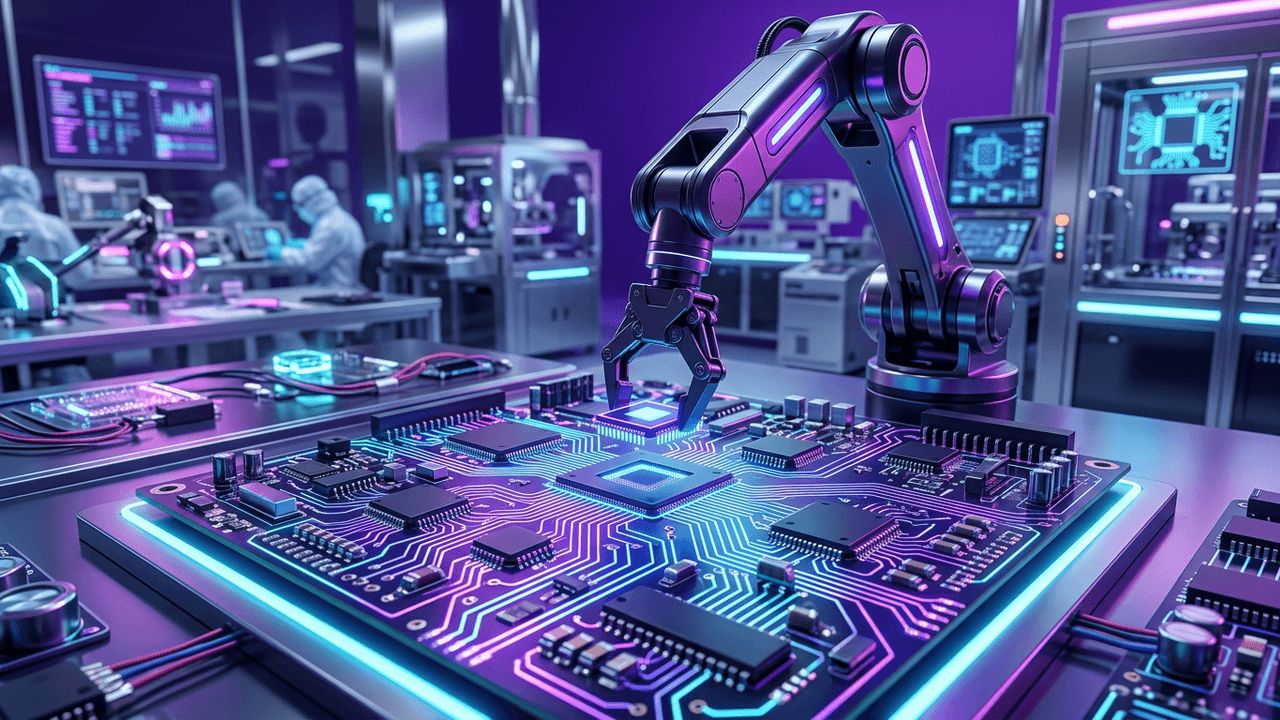
Electronics Manufacturing Around Renton
Renton's identity is closely tied to aerospace, and modern aircraft depend heavily on sophisticated electronics. Beyond aviation, the Puget Sound region supports a broad electronics manufacturing ecosystem that includes test and measurement equipment, medical devices, smart grid technology, and consumer electronics. These companies employ engineers, technicians, and production workers throughout King and Snohomish counties.
For Renton businesses, regional electronics manufacturers serve as suppliers, partners, and employers. Their presence strengthens the local talent pool and supports innovation in industries ranging from transportation to healthcare.
Key Electronics Sectors in the Region
Major sectors include avionics and aerospace electronics, industrial instrumentation, medical imaging, energy metering and grid equipment, consumer devices, and in-flight entertainment systems. Many of these companies emphasize high reliability, strict quality standards, and advanced engineering.
The Top 10 Electronics Manufacturers Serving Renton
1. Fluke Corporation
Fluke, headquartered in Everett, is a world leader in electronic test and measurement tools. Electricians, engineers, and technicians use Fluke multimeters, thermal imagers, and power analyzers to troubleshoot and maintain equipment. Its tools are widely used by Renton's manufacturing and facility maintenance professionals.
2. Korry Electronics
Korry Electronics, based in Everett, designs and manufactures cockpit controls, displays, and panels for commercial and military aircraft. Its products are essential to aircraft cockpits, making it an important part of the aerospace supply chain connected to Renton.
3. Astronics
Astronics operates facilities in the Puget Sound region that produce aircraft power systems, lighting, and in-seat power solutions. Its electronics help airlines provide charging capabilities for passengers and support efficient power distribution on aircraft.
4. Panasonic Avionics
Panasonic Avionics has a significant presence in Bothell and is a leader in in-flight entertainment and connectivity systems. Its technology allows passengers to stream content and stay connected during flights, and it works closely with aircraft manufacturers and airlines.
5. Philips
Philips operates a major ultrasound research and manufacturing operation in Bothell. Its medical imaging systems are used in hospitals worldwide, including regional healthcare facilities, and represent the region's strength in medical electronics.
6. Itron
Itron, headquartered in Liberty Lake, Washington, develops smart meters and networked solutions for electricity, gas, and water utilities. Its technology helps utilities manage resources efficiently and supports grid modernization efforts across the country.
7. Schweitzer Engineering Laboratories
Schweitzer Engineering Laboratories, based in Pullman, Washington, manufactures protective relays and control systems for electric power grids. Its products help utilities detect faults and maintain reliable service, and the company is known for its employee-owned culture and quality focus.
8. MicroVision
MicroVision, based in Redmond, develops lidar sensors and laser scanning technology for automotive and industrial applications. Its innovations support advanced driver assistance systems and autonomous vehicle development.
9. Boeing
Boeing's Renton facility is famous for producing the 737 airplane, and the company develops and integrates complex avionics and electrical systems across its aircraft programs. Its electronics engineering work influences suppliers and talent throughout the region.
10. Microsoft Devices
Microsoft, headquartered in Redmond, designs hardware products including computers, accessories, and gaming consoles. Its devices engineering teams contribute to the region's consumer electronics expertise and attract skilled hardware talent to the area.
Electronics Industry Trends
Aerospace electronics are evolving rapidly as aircraft become more connected and efficient. Electric and hybrid aircraft research is driving demand for advanced power electronics and battery management systems. Medical electronics continue to advance with portable imaging devices and artificial intelligence-assisted diagnostics.
Supply chain resilience has become a priority following global component shortages. Many manufacturers are diversifying suppliers and investing in domestic production to reduce risks. Workforce development is another focus, with companies partnering with technical colleges, including Renton Technical College, to train electronics technicians and assemblers.
Opportunities for Renton Businesses and Workers
Renton businesses can engage with electronics manufacturers as suppliers of components, machining, testing, or logistics services. Workers can pursue careers in electronics assembly, quality assurance, engineering, and technical support, often with strong wages and benefits. Local training programs provide pathways into these roles.
For businesses seeking electronics partners, consider certifications such as aerospace quality standards, engineering support capabilities, and the ability to scale production as demand grows.
Quality Standards and Certifications
Electronics serving aerospace, medical, and energy markets must meet some of the most demanding quality standards in manufacturing. Aerospace suppliers typically follow AS9100 quality management requirements, while medical device manufacturers adhere to ISO 13485 and federal regulations governing safety and effectiveness. Workmanship standards for soldering and circuit board assembly ensure products perform reliably in harsh conditions such as high altitude, vibration, and extreme temperatures. For Renton businesses that supply components or services to these manufacturers, understanding and achieving relevant certifications can open doors to long-term contracts. Investing in quality systems, traceability, and employee training demonstrates the commitment that major electronics manufacturers expect from their partners.
Environmental compliance is equally important. Regulations limiting hazardous substances in electronics and requirements for responsible recycling influence material choices and end-of-life planning, encouraging manufacturers to design products that are safer and easier to recycle.
Conclusion
The electronics manufacturing ecosystem surrounding Renton is diverse, innovative, and deeply connected to aerospace, healthcare, energy, and consumer technology. From test equipment and cockpit controls to medical imaging and smart grid solutions, these companies demonstrate the region's engineering excellence and offer valuable opportunities for local businesses and workers alike.