
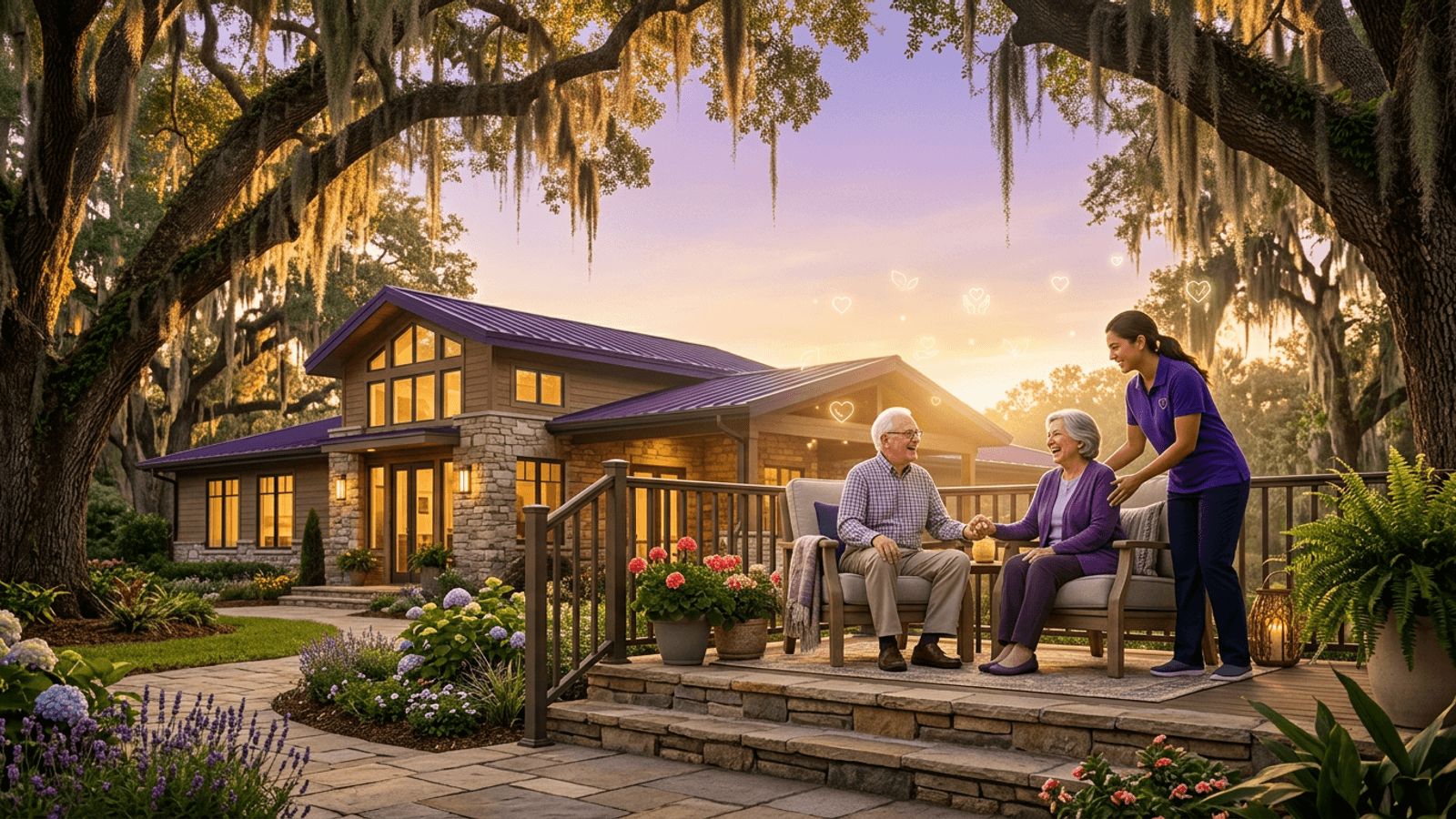
Senior Living in the Lowcountry
The Charleston region is one of the most popular retirement destinations in the Southeast, thanks to its mild climate, rich culture, and excellent healthcare. As a result, North Charleston and its neighboring communities offer a wide variety of senior living options, from independent living communities to assisted living, memory care, skilled nursing, and in-home care services.
For families, choosing the right care can feel overwhelming. Each option offers different levels of support, amenities, and costs. Understanding these differences and knowing which providers have strong reputations can make the process easier and help ensure loved ones receive compassionate, dignified care.
How We Selected These Providers
We considered quality of care, staff training, safety, amenities, range of care levels, family communication, reputation, and accessibility from North Charleston.
The Top 10 Elderly Care Providers
1. Bishop Gadsden Episcopal Retirement Community
Bishop Gadsden, located on James Island, is one of the most respected life plan communities in the region. It offers independent living, assisted living, memory care, and skilled nursing on a beautiful campus with extensive amenities and wellness programs.
2. Franke at Seaside
Franke at Seaside in Mount Pleasant is a faith-based continuing care retirement community offering multiple levels of care. Residents enjoy an active lifestyle with access to dining, fitness, and social activities.
3. Brookdale Senior Living
Brookdale operates senior living communities in the Charleston area offering independent living, assisted living, and memory care. Its experience and resources make it a reliable choice for many families.
4. Agape Senior
Agape Senior is a South Carolina-based provider of assisted living, memory care, hospice, and home care. Its faith-centered approach emphasizes compassionate, person-centered care.
5. NHC HealthCare
NHC HealthCare operates skilled nursing and rehabilitation centers in the Charleston area, providing short-term rehab after hospital stays and long-term nursing care.
6. Home Instead
Home Instead provides in-home care services, including companionship, personal care, and Alzheimer's support. It allows seniors to remain comfortable in their own homes while receiving help with daily tasks.
7. Visiting Angels
Visiting Angels offers personalized home care, from a few hours a week to around-the-clock support. Families appreciate the ability to choose caregivers and customize care plans.
8. Right at Home
Right at Home delivers in-home care with a focus on safety, independence, and quality of life. Its services include personal care, meal preparation, and transportation to appointments.
9. Comfort Keepers
Comfort Keepers provides in-home senior care that emphasizes engagement and emotional wellbeing. Its caregivers support daily living activities and help seniors stay socially connected.
10. Ralph H. Johnson VA Community Living Center
For veterans, the VA's community living services provide skilled nursing, rehabilitation, and long-term care options, along with home-based primary care programs.
Understanding Levels of Care
Independent living is designed for active seniors who want convenience and community without daily care needs. Assisted living offers help with activities such as bathing, dressing, and medication management. Memory care provides secure environments and specialized programming for people with Alzheimer's disease or dementia. Skilled nursing offers round-the-clock medical care, and in-home care allows seniors to age in place with support.
Senior Care Trends
Aging in place is a strong preference for many seniors, driving growth in home care and remote monitoring technology. Life plan communities that offer multiple levels of care on one campus remain popular. Memory care programs are becoming more specialized, incorporating music therapy, sensory activities, and person-centered routines. Technology such as fall detection systems and video calls helps families stay connected and informed.
Tips for Choosing Elderly Care
Visit communities in person, ideally more than once and at different times of day. Ask about staff-to-resident ratios, staff training, and turnover. Review state inspection reports and ask how the community handles medical emergencies. Talk to current residents and families if possible. Understand pricing, contracts, and what services are included. Most importantly, involve your loved one in the decision whenever possible.
Frequently Asked Questions
How do I know when a loved one needs more care?
Warning signs include missed medications, falls, weight loss, poor hygiene, unpaid bills, increased forgetfulness, and social isolation. A physician or geriatric care manager can help assess needs and recommend appropriate care levels.
Does Medicare pay for assisted living?
Medicare generally does not cover long-term assisted living costs, though it may cover short-term skilled nursing after a qualifying hospital stay. Long-term care insurance, veterans benefits, personal savings, and certain Medicaid programs may help pay for care.
What questions should I ask during a tour?
Ask about staffing levels, caregiver training, medication management, emergency procedures, activity schedules, dining options, and how the community communicates with families. Observing staff interactions with residents is often the most revealing part of a visit.
Final Thoughts
Finding the right care for an aging loved one requires time, research, and compassion. North Charleston families have access to excellent senior living communities and in-home care providers throughout the Lowcountry. The options on this list offer a strong starting point as you seek safe, supportive, and caring environments for the people you love.