
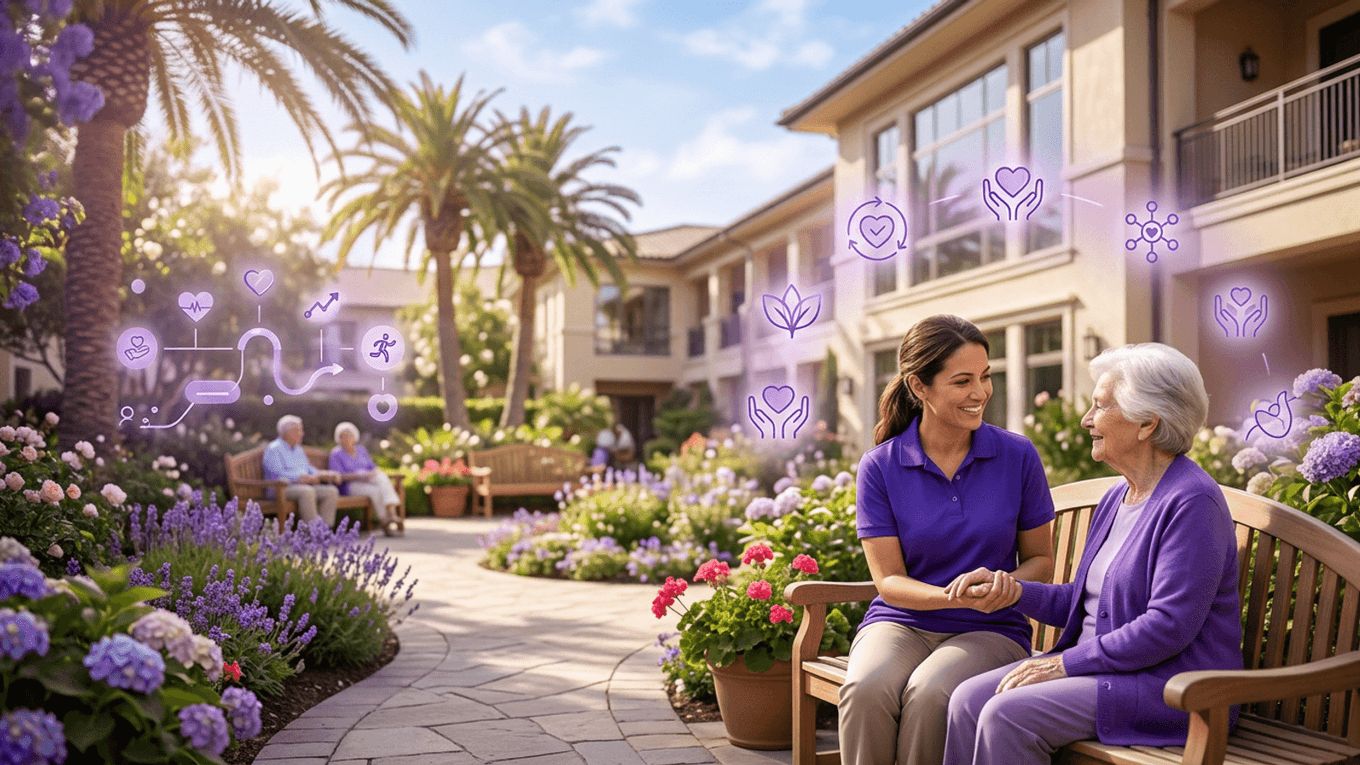
As families in East Los Angeles care for aging parents and grandparents, the question of long-term care becomes increasingly important. Many Eastside families have strong traditions of multigenerational living, and caring for elders at home is deeply valued. Yet when medical needs grow more complex, families often seek additional support, whether through adult day programs, in-home caregivers, assisted living communities, or memory care.
This guide highlights ten of the best elderly care homes and senior care providers serving East Los Angeles and nearby communities, evaluated on quality of care, staff training, safety, cultural sensitivity, amenities, and family communication.
Senior Care Needs in East Los Angeles
The senior population of Los Angeles County is growing rapidly. Many East Los Angeles elders live with chronic conditions such as diabetes, heart disease, and dementia, and many prefer Spanish-speaking caregivers. Families also look for options that respect cultural traditions, including food preferences and faith practices. Affordability is a major concern, so programs that accept Medi-Cal or offer flexible payment options are especially valuable.
1. AltaMed PACE
AltaMed PACE, the Program of All-Inclusive Care for the Elderly, is one of the largest PACE programs in the country and has deep roots in East Los Angeles. It provides comprehensive medical care, adult day services, therapy, transportation, and in-home support, allowing eligible seniors to remain living in their communities. Its bilingual teams and culturally responsive care make it a top choice for Eastside families.
2. Brookdale Senior Living
Brookdale Senior Living is one of the largest operators of senior communities in the United States, with locations across Southern California. It offers independent living, assisted living, and memory care, with personalized care plans and engaging activity programs.
3. Sunrise Senior Living
Sunrise Senior Living is known for its residential-style communities and resident-centered approach. It offers assisted living and memory care with an emphasis on dignity, individualized care, and meaningful daily activities.
4. Atria Senior Living
Atria Senior Living operates communities throughout California, providing independent living, assisted living, and memory care. Its vibrant social programming, dining experiences, and wellness services help residents maintain an active lifestyle.
5. Belmont Village Senior Living
Belmont Village is recognized for its award-winning memory care programs and research-backed cognitive fitness initiatives. Its Los Angeles-area communities provide a high standard of care, licensed nursing, and upscale amenities.
6. Silverado
Silverado specializes in memory care for individuals living with Alzheimer's disease and other forms of dementia. Its philosophy emphasizes love, purpose, and engagement, and its communities often welcome pets and children to create a home-like atmosphere.
7. Front Porch Communities
Front Porch is a nonprofit network of senior living communities in California, offering a continuum of care that includes independent living, assisted living, and skilled nursing. Its mission-driven approach and focus on innovation have earned it a strong reputation.
8. Home Instead
For families who prefer to keep loved ones at home, Home Instead provides trained caregivers for companionship, personal care, meal preparation, and dementia care. Its flexible scheduling allows families to receive support for a few hours a week or around the clock.
9. Visiting Angels
Visiting Angels offers non-medical in-home care services, including help with daily activities, respite care for family caregivers, and companionship. Families appreciate the ability to choose caregivers who fit their loved one's personality and needs.
10. Right at Home
Right at Home provides in-home care services tailored to seniors and adults with disabilities. Its caregivers assist with bathing, mobility, medication reminders, and household tasks, helping seniors maintain independence safely.
How to Choose the Right Senior Care Provider
Start by assessing your loved one's medical, social, and emotional needs. Visit communities in person, observe staff interactions, sample the food, and ask about staff-to-resident ratios and caregiver training. Review state licensing reports from the California Department of Social Services and ask about costs, care level fees, and payment options. Language support and cultural fit should also be key considerations.
Supporting Family Caregivers
Caring for an aging loved one can be emotionally and physically demanding. Respite care, adult day programs, and caregiver support groups can help prevent burnout. Local organizations and county programs offer resources, and Medi-Cal programs such as In-Home Supportive Services may help eligible families pay for caregiving at home.
Questions to Ask During a Tour
When touring a senior community or interviewing a home care agency, ask how care plans are created and updated, how medications are managed, and how quickly staff respond to emergencies. Find out whether a nurse is on site, how often families receive updates, and what activities are offered each week. Ask about staff turnover, background checks, and dementia training. Observing whether residents appear engaged and comfortable often tells you more than any brochure.
Trends in Senior Care
Aging in place is a growing priority, supported by PACE programs, remote health monitoring, and smart home safety technologies. Memory care is becoming more specialized, and senior communities are expanding wellness programming, including fitness classes, technology training, and intergenerational activities.
Final Thoughts
Choosing elder care is one of the most important decisions a family can make. Whether you choose AltaMed PACE to keep a loved one in the community, a memory care specialist like Silverado, or in-home support from Home Instead, the right provider will offer safety, dignity, and peace of mind.