
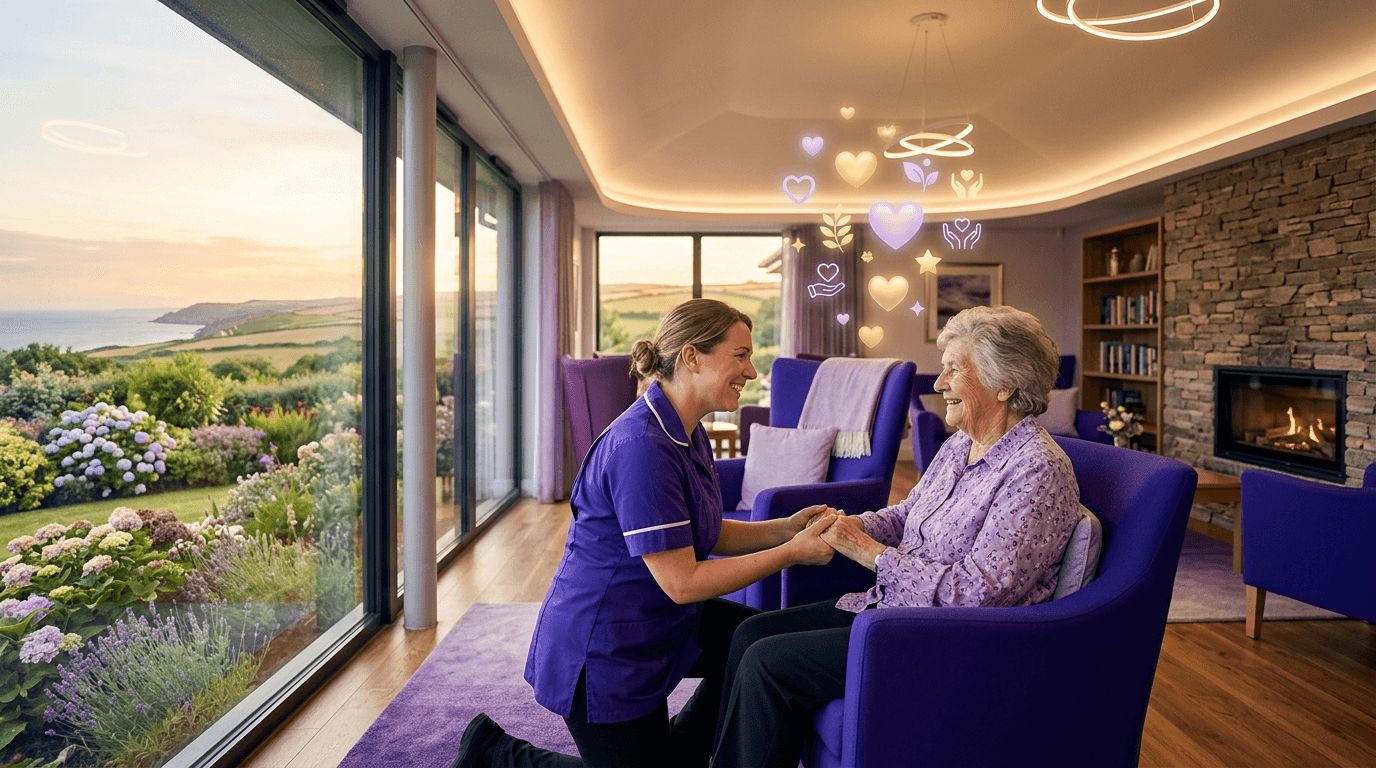
Elderly Care in Cornwall
Cornwall has one of the oldest populations in England, and demand for residential, nursing and dementia care continues to grow. Many families face the challenge of finding the right care for a loved one, often at short notice following a hospital stay or a change in needs.
The county is home to a mix of not-for-profit providers, national groups and small family-run homes. The best combine skilled, compassionate staff with comfortable surroundings, meaningful activities and strong links to the local community.
How We Selected These Providers
We considered quality of care, inspection outcomes, range of services, staff training, activities and the overall feeling of home. Families should always check the latest inspection reports and visit in person before making a decision.
1. Cornwall Care
Cornwall Care is one of the county's largest care providers, operating residential, nursing and dementia care homes across Cornwall. As a not-for-profit organisation, it reinvests in its services and is deeply rooted in Cornish communities.
2. Cornwall Hospice Care
Cornwall Hospice Care runs Mount Edgcumbe Hospice in St Austell and St Julia's Hospice in Hayle. While not care homes, they provide specialist palliative and end-of-life care, supporting older people and their families with dignity and compassion.
3. Barchester Healthcare
Barchester operates care homes in various parts of the UK, including Cornwall. Its homes offer residential, nursing and dementia care with an emphasis on personalised care plans, activities and well-appointed surroundings.
4. Westward Care
Westward Care is a Cornish provider of care services, known for its focus on person-centred support and local staff who understand the community. It provides options for a range of care needs.
5. Agincare
Agincare offers care homes, home care and live-in care. Its flexible services allow families to choose between residential settings and support that helps older people remain in their own homes.
6. MHA
MHA, a charity providing care for older people, focuses on wellbeing, music therapy and spiritual care. Its values-driven approach is appreciated by families seeking a holistic care environment.
7. Sanctuary Care
Sanctuary Care is a not-for-profit provider that runs residential and nursing homes across the country. It emphasises person-centred care and reinvests surpluses into its homes and services.
8. Abbeyfield
Abbeyfield provides supported housing and care for older people, encouraging independence and companionship. It suits those who no longer want to live alone but do not yet need intensive nursing care.
9. Bupa Care Homes
Bupa's care homes offer nursing and dementia care supported by the resources of a large healthcare organisation, including clinical expertise and training programmes for staff.
10. Family-Run Cornish Care Homes
Many of Cornwall's most loved care homes are small, family-run businesses in coastal towns and villages. Their intimate settings, long-serving staff and homely atmosphere create a sense of belonging that many residents and families cherish.
Trends in Elderly Care
Dementia-friendly design, including sensory gardens and familiar layouts, is becoming standard. Technology such as digital care records, sensor monitoring and video calls helps staff deliver safer care and keeps residents connected with family. Workforce recruitment remains a challenge, prompting providers to invest in training and career pathways. Live-in care and home care are also growing as alternatives for those who prefer to stay at home.
How to Choose a Care Home
Read the latest inspection report and visit at different times of day. Observe how staff interact with residents, ask about staff turnover, activities, food and visiting arrangements, and check how care plans are reviewed. Understand the fees and what is included, and seek advice on funding options, including local authority support and NHS continuing healthcare.
Types of Care Explained
Residential care homes provide accommodation, meals and help with personal care such as washing, dressing and medication. Nursing homes also have registered nurses on duty around the clock for people with more complex medical needs. Dementia care homes, or specialist units within homes, are designed for people living with dementia and have staff trained in supporting memory loss and changes in behaviour.
Respite care offers short stays that give family carers a break or support recovery after hospital. Many families in Cornwall find that a short respite stay is a helpful way to try a care home before making a longer-term decision.
Frequently Asked Questions
How is care home funding decided? A financial assessment determines whether the local authority will contribute, while NHS continuing healthcare may fund care for people with significant health needs. Can couples stay together? Some homes can accommodate couples, so ask early. Can residents bring personal belongings? Most homes encourage residents to bring photographs and small furniture to make their rooms feel like home.
Final Thoughts
Finding the right care home takes time, but Cornwall offers many caring and capable providers. These ten names provide a starting point for families looking for safe, kind and dignified care for their loved ones.