
The Importance of Quality Driver Education
Learning to drive is a significant milestone, and the quality of instruction a student receives shapes their safety and confidence for years to come. In Baltimore, where drivers navigate everything from tight city streets to busy interstates, professional driver education plays a crucial role. The best driving schools go beyond simply preparing students to pass a test; they instill responsible habits, defensive driving skills, and the judgment needed to handle real-world situations. Choosing a reputable school sets the foundation for a lifetime of safe driving.
Comprehensive Curriculums
Top driving schools in Baltimore offer well-structured curriculums that combine classroom instruction with behind-the-wheel training. Classroom sessions cover traffic laws, road signs, right-of-way rules, and the dangers of distracted and impaired driving. Behind-the-wheel lessons give students hands-on experience with steering, braking, parking, merging, and navigating intersections. Many schools follow Maryland's required driver education standards, ensuring that students meet all state requirements while gaining practical, transferable skills.
Certified and Patient Instructors
The heart of any great driving school is its instructors. The most respected schools employ certified, experienced teachers who are patient, encouraging, and skilled at adapting to each student's learning pace. A good instructor creates a calm, supportive environment that eases the anxiety many new drivers feel. They provide clear feedback, reinforce safe techniques, and build confidence gradually. This personalized attention makes a meaningful difference in how quickly and effectively students learn.
Programs for Every Type of Learner
Baltimore's driving schools serve a wide range of students. Teen programs focus on first-time drivers preparing for their provisional and full licenses, often coordinating with parents to reinforce practice at home. Adult programs cater to those who never learned to drive or who need a refresher after time away from the wheel. Some schools offer specialized instruction for nervous drivers, senior citizens, and individuals preparing for commercial licenses. This variety ensures that learners of all ages and backgrounds can find suitable training.
Modern Vehicles and Safety Features
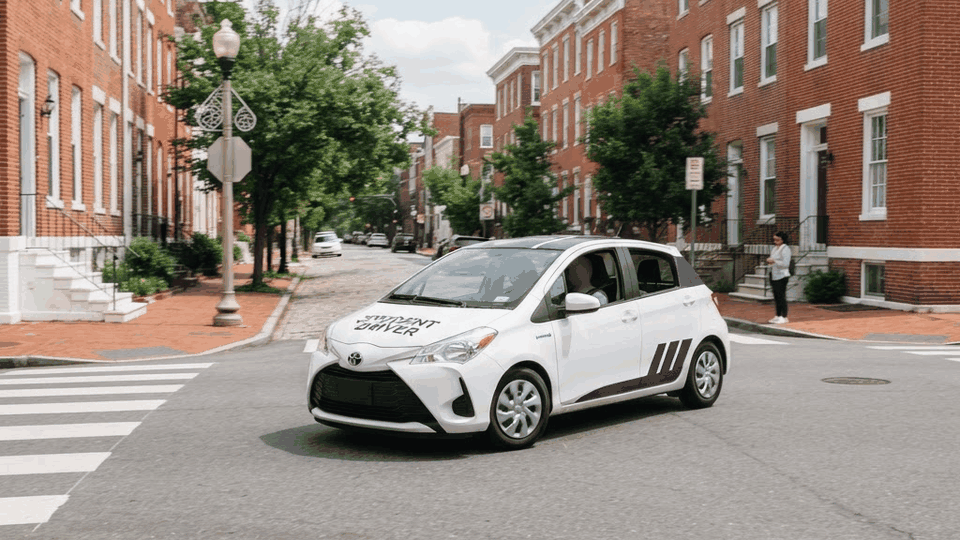
Quality driving schools maintain well-kept training vehicles equipped with dual controls, allowing instructors to intervene if necessary. These modern cars often include safety features such as backup cameras and driver-assistance systems, giving students exposure to the technology found in today's vehicles. Learning in a safe, reliable vehicle helps students focus on developing skills without unnecessary distractions or concerns about the car's condition.
Exam Preparation and Success Rates
A key measure of a driving school's effectiveness is how well it prepares students for the licensing exam. The best schools familiarize students with the specific requirements of Maryland's road test, offering practice on the maneuvers and routes commonly used during evaluations. Mock tests and detailed feedback help students identify and correct weaknesses before the actual exam. Schools with strong pass rates demonstrate their ability to prepare students thoroughly and build genuine competence.
Flexibility and Convenience
Recognizing that students have busy lives, leading driving schools in Baltimore offer flexible scheduling, including evening and weekend lessons. Many provide convenient pickup and drop-off services, and some offer online classroom components that allow students to complete portions of their education at their own pace. This flexibility makes it easier for teens balancing school and for adults juggling work and family responsibilities to complete their training.
Building Skills Beyond the Classroom
Formal lessons are most effective when paired with consistent, supervised practice. New drivers should gradually progress from quiet streets and empty parking areas to multilane roads, nighttime driving, rain, and Baltimore's busier corridors. Practice sessions are more productive when they focus on one or two skills, such as smooth braking, mirror checks, lane positioning, or parallel parking. Supervising adults should model calm behavior, avoid distracting criticism, and reinforce the same methods taught by the instructor. A simple practice log helps families track varied conditions and identify skills that need more attention.
Students should also learn habits that may not be fully measured on a licensing test. These include leaving adequate following distance, scanning well ahead, checking blind spots before every lane change, and resisting phone use even at stoplights. Baltimore drivers must be prepared for cyclists, pedestrians, one-way streets, work zones, and sudden congestion near downtown events. Learning how to manage those situations patiently is as important as mastering vehicle controls. Continuing to practice after earning a license, with sensible limits on passengers and difficult conditions, helps new drivers convert basic competence into dependable judgment.
Selecting the Right Driving School
When choosing a driving school, consider factors such as instructor credentials, curriculum quality, vehicle condition, scheduling flexibility, and customer reviews. A licensed, well-reviewed school with a reputation for patient instruction and strong exam preparation is worth the investment. Ultimately, the goal is not just to obtain a license but to become a safe, confident driver. With Baltimore's many excellent driving schools, students have access to the guidance and support they need to succeed on the road.