
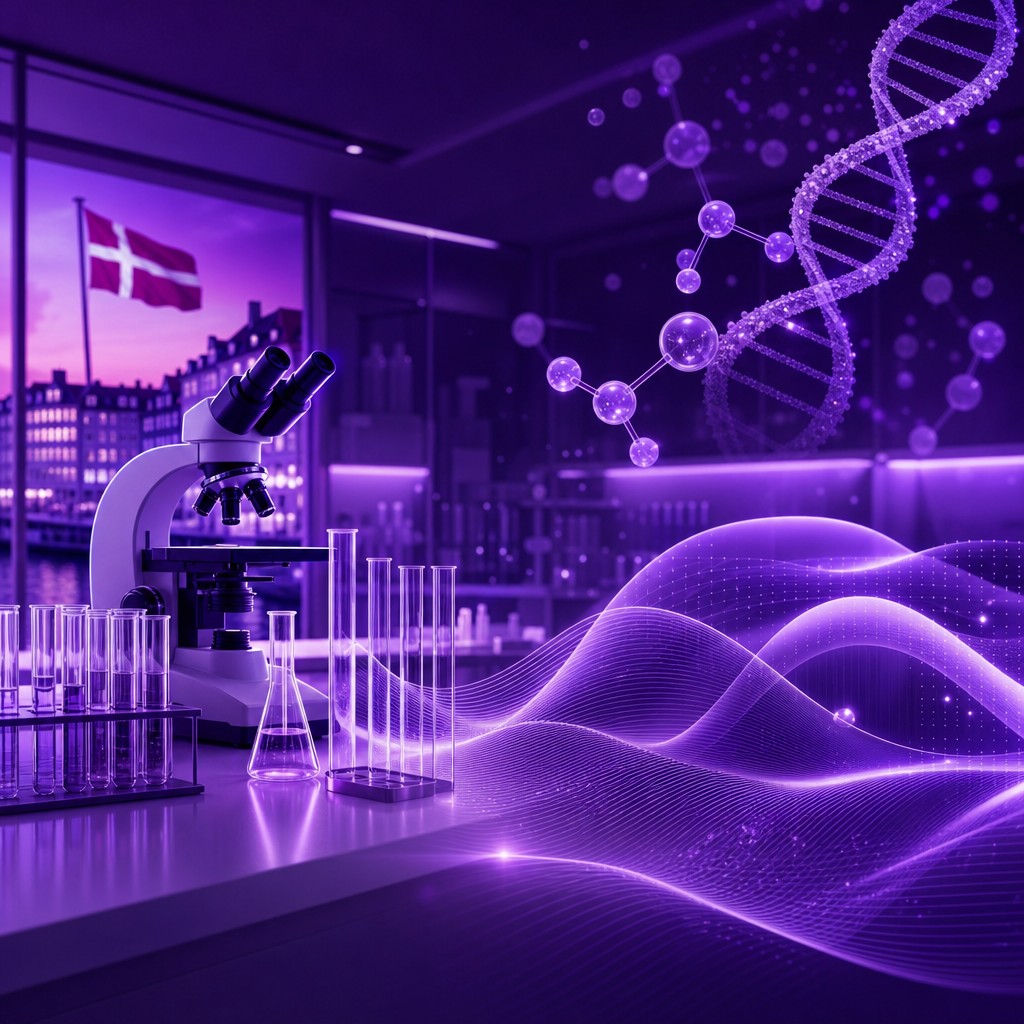
The Foundation of Precise Healthcare
Behind every confident diagnosis lies a laboratory delivering accurate, timely results. In Denmark, diagnostic labs form an essential layer of a healthcare system celebrated for its precision and reliability. These facilities analyse blood, tissue, and genetic samples, perform advanced imaging, and support clinicians in making informed treatment decisions. Their work is largely invisible to patients, yet it shapes outcomes across every medical discipline.
Danish diagnostic services benefit from rigorous quality control, national accreditation standards, and close integration with hospitals and clinics. Many labs are embedded within university hospitals, ensuring that research breakthroughs translate quickly into everyday clinical practice.
The Top 10 Diagnostic Laboratories
1. Statens Serum Institut (SSI) — Denmark's national institute for infectious disease control and diagnostics, SSI is a world authority on microbiology, epidemiology, and specialised testing.
2. Rigshospitalet Department of Clinical Biochemistry — A flagship laboratory handling complex biochemical and genetic analyses for the nation's leading hospital.
3. Aarhus University Hospital Laboratories — Renowned for molecular diagnostics and pathology, supporting research-driven care across Jutland.
4. Unilabs Denmark — Part of a leading European diagnostics group, Unilabs provides pathology, radiology, and laboratory medicine with strong private-sector efficiency.
5. Synlab Denmark — A major international laboratory network offering a comprehensive menu of clinical tests with rapid turnaround and digital reporting.
6. Odense University Hospital Clinical Laboratories — A centre of excellence for diagnostics in Funen, integrating advanced imaging and biochemistry.
7. Aalborg University Hospital Diagnostic Centre — Known for its innovative approach to integrated diagnostics and patient-centred testing pathways.
8. Medi-Lab — A trusted private laboratory specialising in routine and specialist blood analysis for clinics and corporate health programmes.
9. Eurofins Denmark — Bringing global expertise in genetic, environmental, and clinical testing to the Danish market.
10. Herlev and Gentofte Hospital Laboratory Services — A high-volume diagnostic hub serving greater Copenhagen with reliable, accredited testing.
Range of Diagnostic Services
Danish diagnostic labs offer an extensive array of services. Clinical biochemistry covers blood glucose, cholesterol, hormone levels, and organ function markers. Microbiology identifies bacterial, viral, and fungal infections, guiding appropriate treatment. Pathology examines tissue samples to detect cancer and other diseases, while genetic testing increasingly informs personalised medicine.
Imaging is another cornerstone, with facilities providing MRI, CT, ultrasound, and X-ray analysis. Many labs now combine these modalities under integrated diagnostic centres, allowing clinicians to piece together a complete picture of a patient's health quickly and accurately.
Technology and Innovation
Innovation defines Denmark's diagnostic landscape. Automation has dramatically increased throughput and reduced human error, while artificial intelligence is being deployed to assist in reading scans and flagging abnormalities. Molecular and genomic testing has expanded rapidly, enabling earlier detection of disease and more targeted therapies.
Digital reporting ensures that results flow seamlessly into the national e-health system, where doctors and patients can access them securely. This connectivity shortens the path from test to treatment and reflects Denmark's broader leadership in health technology. Institutions like Statens Serum Institut also play a crucial role in national surveillance, monitoring disease trends and supporting public health decisions.
Quality, Accreditation, and Trust
Trust in diagnostics rests on rigorous standards. Danish laboratories adhere to strict accreditation requirements and participate in external quality assessment schemes that benchmark their performance internationally. This commitment to accuracy is why clinicians and patients place such confidence in the results.
Private providers like Unilabs, Synlab, and Eurofins complement the public system by offering faster access, corporate health screenings, and specialised testing not always available through standard channels. Their presence has enhanced choice and efficiency without compromising the high standards Denmark is known for.
The Future of Diagnostics in Denmark
Looking ahead, diagnostics in Denmark will become even more predictive and personalised. Advances in genomics, liquid biopsies, and AI-driven analysis promise to detect disease earlier and tailor treatments to individual patients. The integration of wearable health data and remote testing may further shift diagnostics beyond the laboratory and into everyday life.
As these technologies mature, the country's diagnostic labs — backed by strong research institutions and a connected health system — are well positioned to remain at the forefront of medical innovation.
How Diagnostics Support Patient Care
For patients, the value of a strong diagnostic network is felt in speed, accuracy, and peace of mind. Fast, reliable results allow doctors to begin treatment sooner, avoid unnecessary procedures, and monitor progress effectively. In serious conditions such as cancer or infectious disease, timely diagnosis can be the difference between a good and a poor outcome.
Danish labs also prioritise clear communication. Results are delivered securely through the national e-health platform, and clinicians interpret them in the context of each patient's overall health. Private providers further enhance accessibility by offering direct testing for individuals and employers, including comprehensive health screenings. This patient-focused efficiency, combined with rigorous quality standards, ensures that diagnostics genuinely improve lives rather than simply producing data.
Conclusion
Diagnostic laboratories are the quiet engines of Denmark's healthcare excellence. From the national authority of Statens Serum Institut to the efficiency of private networks like Unilabs and Synlab, these institutions deliver the precise, reliable insights that underpin effective treatment. For patients, clinicians, and researchers, understanding the strengths of these labs highlights just how vital accurate diagnostics are to the health of a nation that consistently sets global benchmarks.