
Department Stores as Civic Architecture
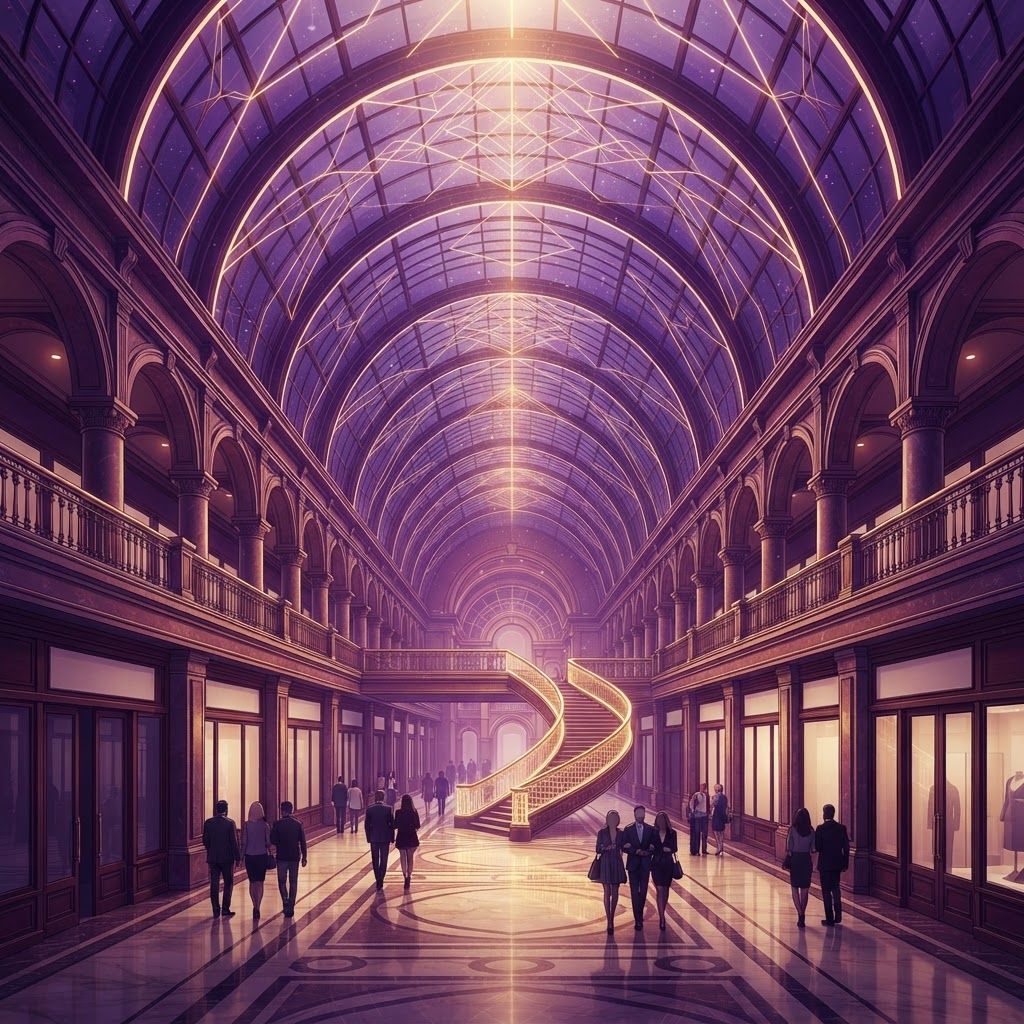
In St. Petersburg, department stores are not merely retail: several are landmarks. The city's nineteenth-century trading arcades were among the earliest purpose-built shopping complexes in Europe, and their descendants — glass-roofed galleries, grand staircases, atrium cafés — still shape how residents experience shopping. In a climate where winter daylight is scarce and outdoor browsing uncomfortable for months, these interior spaces function as public living rooms as much as commercial venues.
The result is a market where the store itself, not just its tenants, drives visits. Understanding the character of each complex is the fastest way to shop efficiently in a city where retail is spread across both the historic core and large peripheral developments.
1. Gostiny Dvor
Gostiny Dvor is the historic heart of retail in St. Petersburg. Occupying an enormous eighteenth-century arcade on Nevsky Prospekt, it combines architectural significance with a mixed tenant roster spanning fashion, accessories, souvenirs and cosmetics. Its long colonnaded galleries make it a comfortable place to browse in any weather, and its central location makes it the default meeting point for shopping trips through the centre.
2. Passage
Passage is one of the city's most elegant retail interiors, a glass-roofed nineteenth-century arcade running between two streets in the historic centre. It leans toward mid-premium fashion, beauty and homeware, and its scale is human rather than overwhelming. Shoppers value it for a calmer atmosphere and for a curated tenant mix that avoids duplication.
3. DLT (Dom Leningradskoy Torgovli)
DLT is the city's principal luxury department store, housed in a historic building with a spectacular central atrium. Its floors are organised by category across designer womenswear, menswear, accessories, beauty and children's collections. Service is a defining feature: personal shopping, alterations and concierge assistance are standard, and the store functions as the anchor of the city's luxury retail scene.
4. Galeria
Galeria is the largest and busiest shopping centre in central St. Petersburg, adjacent to the main railway station. Its proposition is comprehensive coverage — hundreds of stores across fashion, electronics, sport, children's goods and a very large food court, plus a cinema. For visitors with limited time, it delivers the widest range of purchases in one trip, and its transport connections are unmatched.
5. Nevsky Centre
Nevsky Centre offers a more compact, well-organised alternative on Nevsky Prospekt, anchored by a large supermarket in its lower level. Its tenant mix balances mid-market fashion, beauty and services, and the store layout is easy to navigate quickly. It is particularly popular for combined errands: groceries, a gift purchase and a coffee in a single stop.
6. Stockmann-Format Premium Retail at Nevsky Centre
The premium department store format inside Nevsky Centre established Nordic retail standards in the city: strong homeware and kitchen departments, quality basics, and a well-regarded seasonal sale calendar. Its influence persists in customer expectations around clear pricing, generous fitting rooms and reliable stock depth in core sizes.
7. Mega Dybenko and Mega Parnas
The Mega complexes on the city's northern and eastern approaches are large out-of-town destinations built around anchor tenants in furniture, home goods, groceries and fashion. They are designed for car-based family shopping, with substantial parking, children's facilities and food halls. For bulk household purchases, they are the most practical option in the metropolitan area.
8. Evropolis and Similar District Malls
District-scale malls such as Evropolis serve residential catchments across the city with a focused mix: a supermarket, mid-market fashion, services like dry cleaning and key cutting, plus casual dining. Their value lies in convenience and short travel times, and they carry the everyday retail load that keeps the larger destinations from being necessary weekly stops.
9. Sennaya Ploshchad Retail Cluster
Around Sennaya Ploshchad, several interconnected shopping centres form a dense retail cluster serving a high-footfall transport interchange. The offer skews toward value fashion, footwear, mobile accessories and quick services. It is the place to go for practical purchases at competitive prices, and its density means comparison shopping is easy.
10. Children's World Formats
Dedicated children's department stores occupy an important niche, gathering clothing, footwear, toys, school supplies, prams and nursery furniture under one roof with staff experienced in sizing and safety standards. For parents, consolidating these categories in one visit saves considerable time, and seasonal school-preparation campaigns are well organised.
Making the Most of Department Store Shopping
Timing matters. Weekday mornings offer the calmest experience and the most attentive service, while weekend afternoons in central complexes can be extremely busy. Seasonal sale periods follow predictable patterns, with the deepest discounts on outerwear arriving late in winter and on summer collections toward the end of August.
Loyalty programmes are worth joining at the two or three complexes you use most, since many now combine points with parking validation, express fitting-room booking and early sale access. Also check click-and-collect availability: reserving items online and trying them in store avoids both delivery waits and wasted trips.
Trends Reshaping the Format
Department stores here are steadily converting selling space into experience space — cafés, events, services and rest areas — recognising that dwell time drives spending. Curated multi-brand floors are replacing rigid brand-by-brand concessions, giving buyers more editorial influence. And service infrastructure, from alterations to repair desks, is expanding as a differentiator against pure online retail.
Final Thoughts
St. Petersburg's department stores span an extraordinary range, from an eighteenth-century imperial arcade to modern regional mega-malls. Each serves a genuinely different purpose: architectural landmarks for browsing and gifts, luxury houses for service-intensive purchases, and out-of-town complexes for volume household shopping. Choosing the right venue for the task turns a potentially exhausting errand into one of the more pleasant parts of city life.