
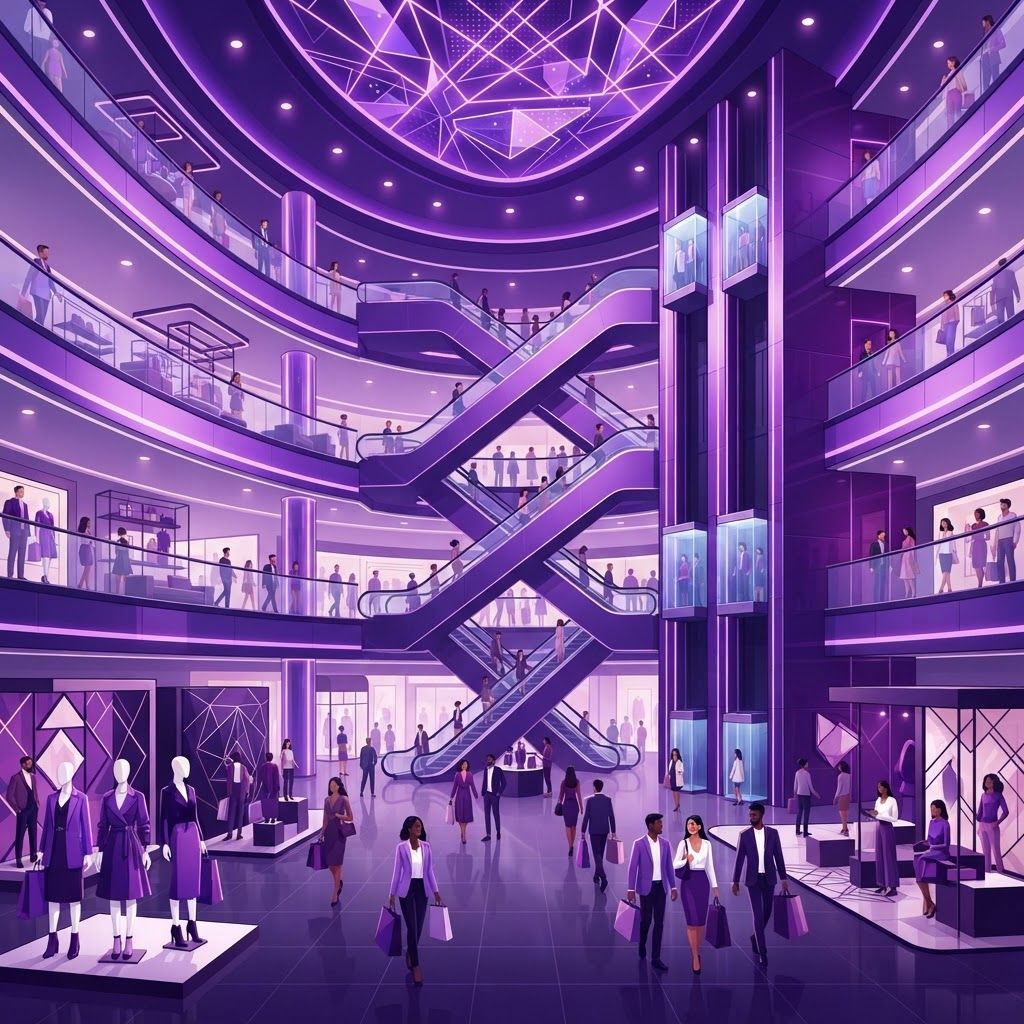
The Evolving Department Store Format
The department store has faced more disruption than any other retail format, yet it persists because it solves a genuine problem: allowing shoppers to compare across categories, try items physically and complete multiple errands in one visit. In Little Rock, the format remains relevant particularly for apparel where fit matters, beauty where testing is essential, and home goods where texture and scale are difficult to judge online.
What has changed is the balance of value proposition. Successful department stores have shifted from breadth alone toward curation, service and experience. Personal styling, alteration services, beauty consultation, flexible fulfilment and generous return handling have become the practical reasons shoppers choose a store over an online alternative offering similar merchandise.
How Shoppers Evaluate Department Stores
Merchandise range and quality tiering matter first. Shoppers want to understand whether a store carries entry level, mid market or premium brands, and whether its assortment includes the sizes, styles and categories they actually need. Extended and inclusive sizing has become a significant differentiator.
Service depth is the second consideration. Alteration services, personal shopping, beauty consultation and knowledgeable department staff distinguish stores that invest in service from those operating as self service floors.
Return and exchange policy is often decisive, particularly for apparel and beauty. Stores with straightforward returns, including for online orders brought to the store, reduce purchase risk substantially and encourage experimentation with fit and colour.
Loyalty programme value, promotional cadence and clarity of pricing also influence behaviour. Shoppers have become adept at recognising whether discounts are genuine reductions or routine adjustments to inflated reference prices, and stores with credible everyday pricing build more trust than those relying on perpetual sales.
Ten Department Stores and Multi Category Retailers in Little Rock
Dillard's holds particular significance in Arkansas as a retailer with deep state roots, offering apparel, footwear, beauty and home goods across a wide brand range with substantial local presence.
Macy's provides a broad national assortment across fashion, beauty and home, with recognisable brand partnerships and regular promotional programmes.
JCPenney serves families and value conscious shoppers with apparel, home textiles and salon services, emphasising accessible pricing across core categories.
Kohl's combines apparel, footwear and home goods with a well used loyalty and rewards structure, and has expanded its beauty offering considerably.
Target operates a general merchandise format that functions as a modern department store for many shoppers, blending apparel, home, beauty and grocery with strong private label design.
Belk focuses on the southern market with apparel, beauty and home merchandise, positioning between mid market and moderate premium tiers.
TJ Maxx offers off price apparel, accessories and home goods, appealing to shoppers who enjoy discovery and are flexible about specific brands or sizes.
Ross Dress for Less competes at the value end of off price retail with rapidly rotating apparel and home stock at low price points.
Burlington provides discounted apparel, outerwear and home merchandise with particular strength in coats and family clothing.
Von Maur represents the service oriented end of the category, emphasising personal attention, gift wrapping, alterations and a notably generous return approach.
Trends Reshaping Department Store Retail
Omnichannel fulfilment has become fundamental. Buying online and collecting in store, returning online purchases to physical locations, and checking local stock availability from a phone are now baseline expectations rather than innovations, and stores that execute these smoothly retain customers more effectively.
Beauty has grown into a central category. Experiential beauty halls, testing, consultation and skincare education generate footfall and repeat visits that apparel alone no longer reliably produces, and many stores have expanded beauty floor space accordingly.
Off price retail continues to take share by offering brand name merchandise at reduced prices with a treasure hunt experience that online shopping struggles to replicate. This has pressured traditional department stores to sharpen their value messaging.
Private label development has become strategically important, since exclusive brands cannot be price compared directly and typically carry better margins. Meanwhile services such as alterations, styling and even in store dining are being used to make visits worthwhile beyond the transaction itself.
Practical Shopping Advice
Use department stores for what they do best. Purchases where fit, texture, colour accuracy or scent matter, including tailoring, footwear, bedding and fragrance, are far better handled in person than online. For commodity items with predictable specifications, price comparison online often makes more sense.
Take advantage of services you are already paying for through the price. Alterations, personal styling appointments and beauty consultations frequently cost little or nothing and materially improve outcomes, yet many shoppers never use them.
Understand the promotional rhythm. Most stores follow predictable seasonal clearance patterns, and buying seasonal apparel at transition points delivers substantial savings. Loyalty programmes are worth evaluating on actual redemption value rather than headline point accumulation.
Keep receipts and confirm return windows, particularly for gifts and clearance items which frequently carry different terms. Finally, when comparing across stores, consider the total experience including parking, layout, staffing levels and return convenience, since these determine whether a store remains useful to you over time rather than for a single purchase.
Conclusion
Department stores in Little Rock continue to serve real needs across apparel, beauty, home and footwear, with formats ranging from full service traditional retailers to off price and general merchandise alternatives. Those thriving have adapted by strengthening service, fulfilment flexibility and category curation. Shoppers who use the format deliberately, particularly for purchases where physical evaluation matters, still find it genuinely valuable.