
Why Renting Has Overtaken Buying
Equipment rental has become the default strategy for a large share of contractors, and the logic is straightforward. Purchasing a machine means absorbing depreciation, maintenance, storage, insurance, and transport costs whether the machine works every day or sits idle for months. Renting converts that fixed burden into a project expense that can be priced directly into a bid.
In Newport News, where contractors move between residential renovation, commercial buildout, marine support work, and municipal projects, the variety of equipment needed makes ownership even less practical. A firm might need a mini excavator one week and a sixty-foot boom lift the next. Rental providers absorb that variability.
Equipment Categories Commonly Rented
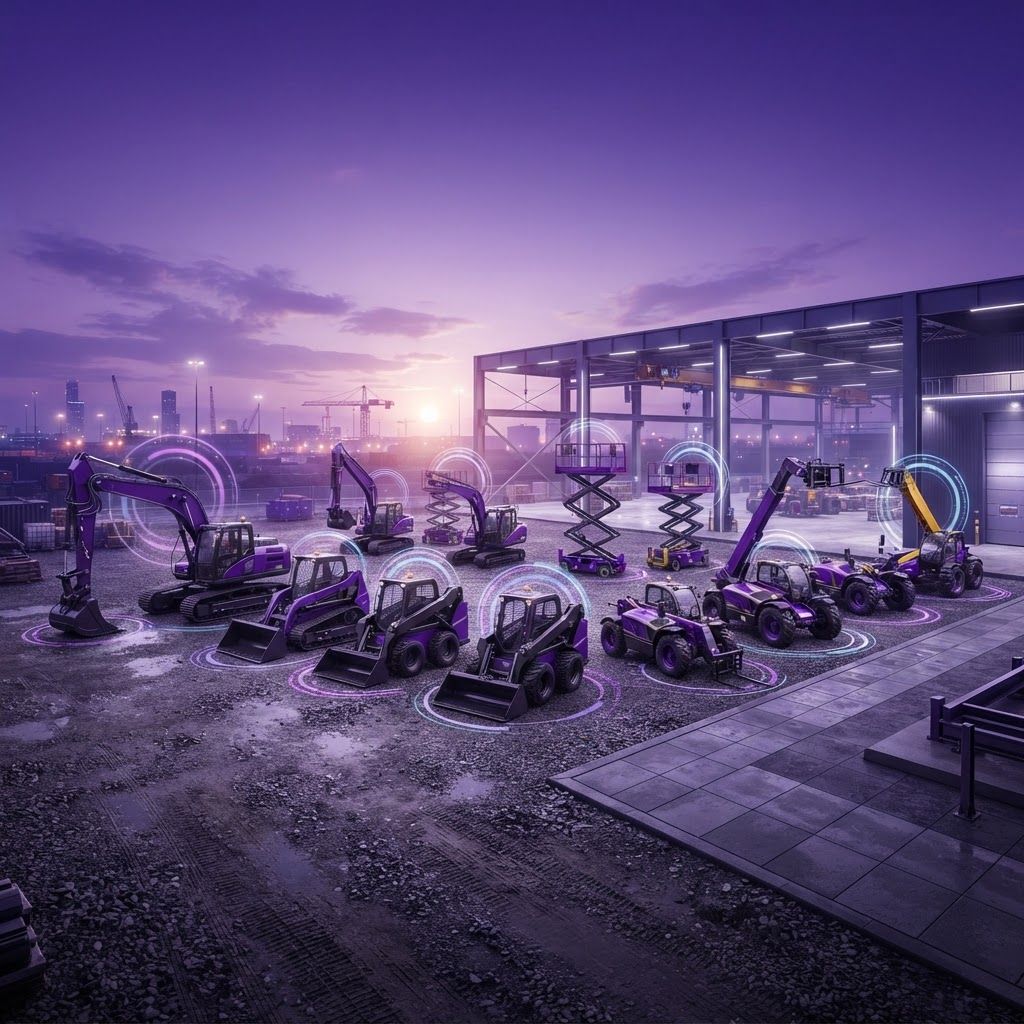
Earthmoving equipment includes excavators, skid steers, compact track loaders, backhoes, and compaction equipment. Compact machines dominate urban and residential work where access is limited.
Aerial work platforms cover scissor lifts, articulating boom lifts, and telescopic handlers used for facade work, mechanical installation, and warehouse projects.
Concrete and site tools include mixers, power trowels, saws, core drills, and screeds, typically rented by the day for specific phases.
Support equipment covers generators, light towers, pumps, heaters, dehumidifiers, and temporary fencing, which becomes especially important during storm recovery and winter work.
The Ten Leading Rental Providers
Peninsula Equipment Rentals maintains a broad general fleet covering earthmoving, aerial, and support equipment, with delivery across the Peninsula and same-day availability on common items.
James River Machinery Rental focuses on compact earthmoving equipment suited to residential lots and tight urban sites, including a strong selection of attachments.
Warwick Aerial Lift Rentals specializes in scissor lifts, boom lifts, and telehandlers, providing operator familiarization and inspection documentation with each delivery.
Denbigh Tool and Equipment serves smaller contractors and homeowners with hand tools, compaction plates, saws, and light equipment on flexible daily terms.
Oyster Point Contractor Supply and Rental combines a rental counter with consumables and materials, letting crews handle multiple needs in one stop.
Shipyard City Heavy Equipment supplies larger excavators, cranes, and industrial machinery for heavy civil and marine-adjacent projects.
Coastal Virginia Power and Climate Rentals concentrates on generators, temporary climate control, dehumidification, and pumps, which are in high demand during storm response.
Menchville Concrete Equipment Rental offers mixers, power screeds, trowel machines, and finishing tools along with practical guidance on their use.
Hampton Roads Scaffolding and Access provides scaffolding systems, shoring, and temporary access structures with engineering support for complex configurations.
Hilton Village Landscape Equipment Rental covers site preparation and grounds work with stump grinders, chippers, trenchers, and turf equipment.
Trends in the Rental Industry
Telematics has become standard on modern rental fleets. GPS tracking, engine hour reporting, and fault monitoring let providers schedule maintenance proactively and help contractors verify utilization on their jobs. Fewer breakdowns mean fewer lost days.
Digital reservation platforms have replaced phone-only booking at most established providers. Contractors can check availability, reserve equipment, schedule delivery, and manage returns without waiting on hold, which matters when a schedule shifts unexpectedly.
Electric and low-emission equipment is entering fleets steadily. Battery-powered scissor lifts, compact loaders, and tools produce no exhaust and far less noise, making them valuable for interior work and projects in occupied buildings or noise-sensitive neighborhoods.
Operated rental, where a machine arrives with a trained operator, has also grown as skilled labor remains scarce and as specialized machines require expertise that a general crew may not have.
Renting Effectively
Match the machine carefully to the site rather than to the task alone. Access width, overhead clearance, ground conditions, and weight limits on driveways or slabs all constrain what can actually be used. A reputable provider will ask about these conditions before recommending equipment.
Understand the rate structure. Daily, weekly, and monthly rates differ significantly, and a job running slightly past a threshold can cost far more than planned. Confirm whether rates are based on calendar time or engine hours, since heavy use may incur additional charges.
Clarify damage responsibility, fuel policies, and delivery and pickup fees before signing. Inspect the machine at delivery, document any existing damage photographically, and confirm that required safety equipment and inspection records are included. Finally, ask about support response if a machine fails mid-project, because downtime coverage varies widely between providers.
Safety and Compliance Considerations
Rented equipment carries the same regulatory obligations as owned equipment. Operators of aerial lifts and powered industrial trucks require documented training, and a rental company supplying familiarization does not substitute for an employer's certification responsibility.
Pre-use inspection is both a legal expectation and practical protection. Checking fluid levels, tires or tracks, safety decals, backup alarms, and control function before each shift catches problems early and creates a record if a dispute arises later about machine condition.
Site planning matters too. Underground utility location must be completed before any excavation, overhead power line clearances must be maintained around lifts and booms, and ground conditions must be verified before positioning heavy equipment. Reputable rental providers raise these points proactively, which is itself a useful signal of professionalism.
Final Thoughts
Equipment rental gives contractors in Newport News access to the right machine at the right moment without tying up capital. The providers that maintain their fleets rigorously, offer honest guidance on machine selection, and respond quickly when something goes wrong are the ones that quietly keep projects moving on schedule.