
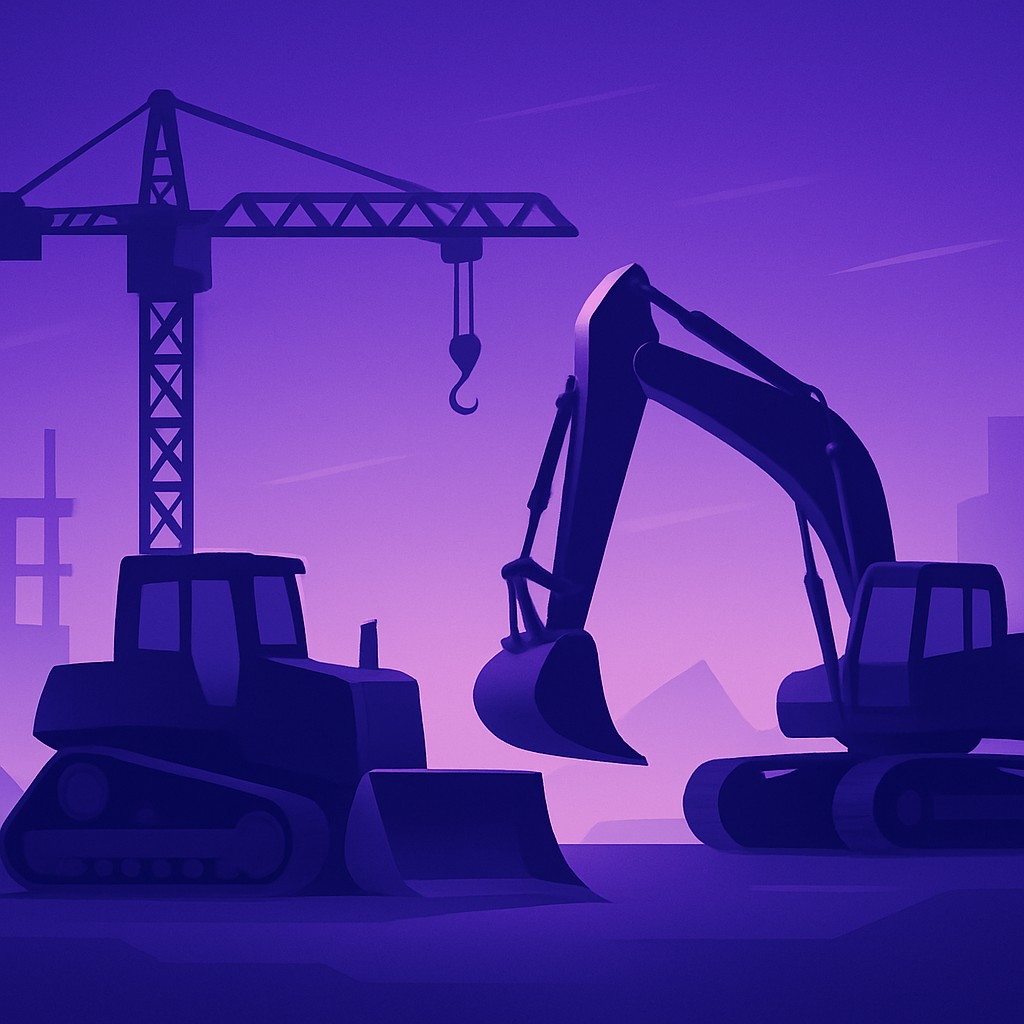
Powering Australia's Construction Industry
Construction equipment rental has become a cornerstone of Australia's thriving building and infrastructure sector. Rather than committing significant capital to purchasing expensive machinery, contractors and developers increasingly turn to rental providers for access to well-maintained, modern equipment. This approach offers flexibility, reduces costs, and ensures the right tools are available for every stage of a project.
The best equipment rental companies in Australia provide far more than machines. They deliver reliability, expert guidance, and responsive support that keeps projects moving on time and on budget. Their extensive fleets and professional service make them indispensable partners for businesses of all sizes.
Why Equipment Rental Makes Sense
Renting construction equipment offers compelling advantages over ownership. It eliminates the substantial upfront investment required to buy machinery, freeing capital for other priorities. It also removes the burden of maintenance, storage, and depreciation, which can significantly erode the value of owned equipment over time.
Rental further provides access to the latest models and specialised machines that might only be needed for specific tasks. This flexibility allows contractors to scale their fleets up or down according to project demands, improving efficiency and cost control across the board.
What Defines a Leading Rental Provider
Australia's top equipment rental companies distinguish themselves through the quality and breadth of their fleets. They offer a comprehensive range of machinery, including excavators, loaders, cranes, scissor lifts, generators, and compaction equipment. Crucially, they maintain their equipment to the highest standards, ensuring reliability and safety on the job site.
Exceptional customer service is equally important. The best providers offer knowledgeable advice on equipment selection, flexible rental terms, and prompt delivery and pickup. Many also provide operator training and technical support, helping clients use machinery safely and effectively.
Safety and Compliance
Safety is paramount in the construction industry, and reputable rental companies take it seriously. They ensure their equipment meets stringent Australian safety standards and is regularly inspected and serviced. Many provide detailed documentation, safety guidance, and training to help clients operate machinery responsibly.
By partnering with a rental provider committed to compliance, contractors can reduce risk, protect their workers, and meet their regulatory obligations. This focus on safety is a defining characteristic of the industry's leaders.
Supporting Projects of Every Scale
From small residential renovations to major infrastructure developments, equipment rental companies support a vast range of projects. For smaller jobs, they offer compact, easy-to-operate machines ideal for tight spaces and straightforward tasks. For large-scale projects, they provide heavy machinery and specialised equipment capable of demanding work.
This versatility makes rental providers valuable partners across the construction landscape. Their ability to supply the right equipment for any project ensures contractors can take on diverse work with confidence.
Technology and Fleet Management
Modern rental companies increasingly leverage technology to enhance their service. Online booking systems, telematics, and digital fleet management tools streamline the rental process and improve transparency. Telematics, in particular, allow providers to monitor equipment performance, schedule maintenance proactively, and maximise uptime.
These innovations benefit clients by ensuring equipment is reliable, available, and easy to manage. Forward-thinking rental businesses that embrace technology deliver a superior, more efficient experience.
Sustainability in Equipment Hire
Sustainability is becoming an important consideration in the construction sector, and rental companies are responding. Many are investing in newer, more fuel-efficient machinery and exploring electric and hybrid equipment options. By maintaining and sharing equipment across multiple clients, the rental model itself supports more efficient use of resources.
This environmental focus aligns with the priorities of modern contractors and developers, who increasingly seek to reduce the footprint of their projects.
Choosing the Right Rental Partner
When selecting an equipment rental company, contractors should consider fleet quality, range, and availability. Transparent pricing, flexible terms, and responsive support are essential. Strong client relationships and positive reviews indicate a provider that values reliability and service.
Strong client relationships and positive reviews indicate a provider that values reliability and service.
Cost Efficiency and Project Planning
One of the most significant advantages of equipment rental is the predictability it brings to project budgeting. Instead of absorbing the full cost of ownership, contractors pay only for the equipment they use, when they use it. This makes cost forecasting more accurate and frees capital for labour, materials, and other essential expenses. Flexible rental terms, whether daily, weekly, or monthly, allow businesses to align costs precisely with project timelines.
Effective planning is key to maximising these benefits. The best rental providers work closely with clients to understand project requirements, recommending the most suitable equipment and scheduling delivery to minimise downtime. This collaborative approach ensures machinery is available exactly when needed, keeping projects on track. By combining cost efficiency with expert planning support, leading rental companies help contractors operate profitably in a demanding industry.
A Smart Strategy for Modern Construction
With Australia's best construction equipment rental companies offering well-maintained machinery, expert support, and flexible solutions, contractors can keep their projects efficient and successful. Partnering with a trusted provider is a smart strategy for any business operating in the competitive construction industry.