
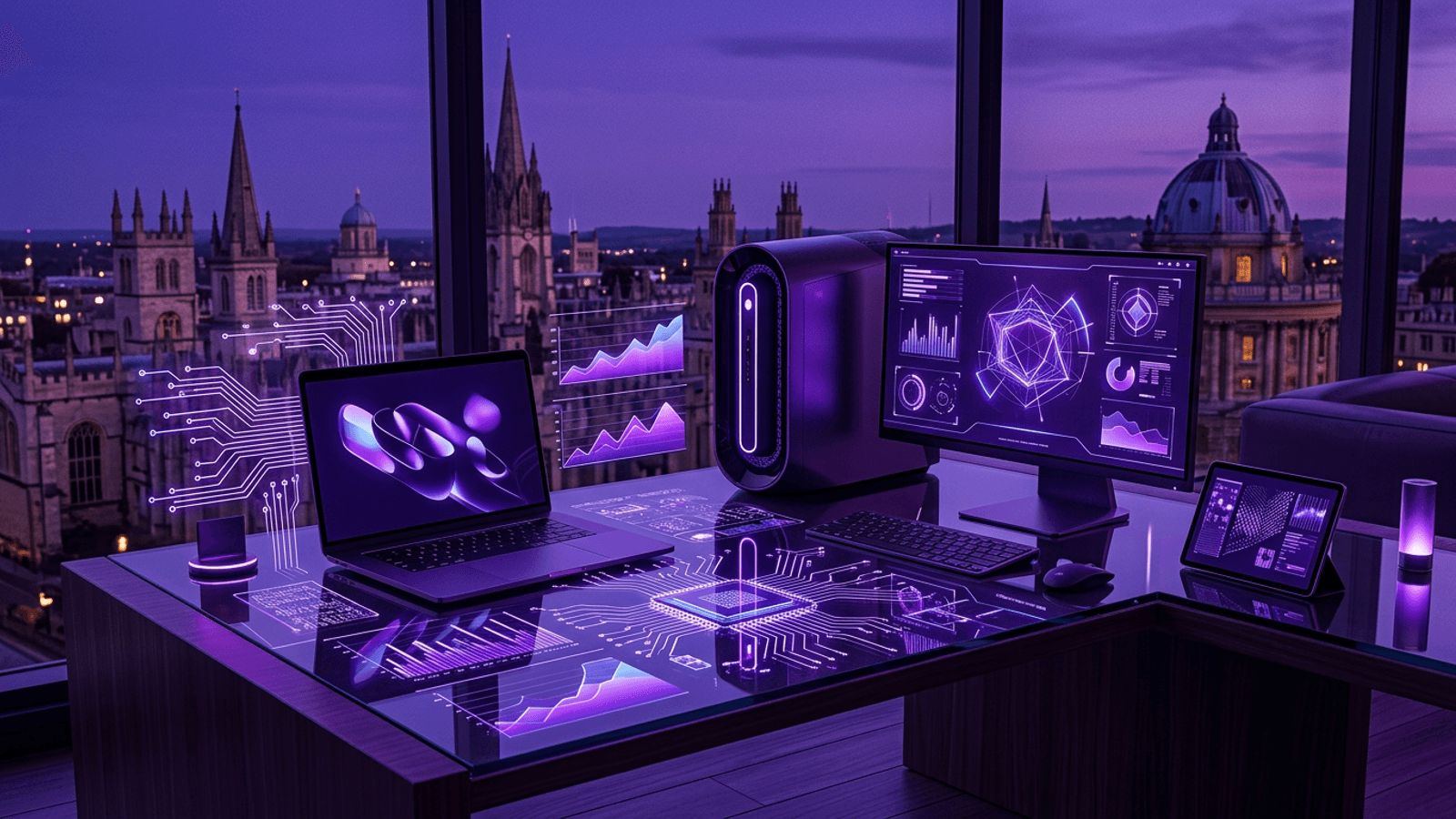
Computing in Silicon Fen
Cambridge has a special relationship with computing. The city is home to the cluster of technology companies known as Silicon Fen, a world-leading computer science department and pioneering hardware businesses whose innovations power billions of devices. Students, researchers, developers, designers and business professionals here demand machines that are powerful, reliable and well suited to their work.
Choosing the right computer brand depends on how you plan to use it. A machine learning researcher needs serious graphics processing power, a software developer may prioritise a great keyboard and battery life, and a student may need a lightweight, affordable laptop that lasts through a full day of lectures. This guide explores the brands that best meet these varied needs in Cambridge.
How We Ranked These Brands
We evaluated performance, build quality, reliability, value for money, software ecosystem, after-sales support and popularity within Cambridge's academic and technology communities. We also recognised local brands that have shaped computing globally.
The Top 10 Computer Brands in Cambridge
1. Raspberry Pi
Raspberry Pi is a true Cambridge success story. Its affordable single-board computers were created to help people learn programming, and they are now used everywhere from classrooms to industrial automation. Its keyboard-style desktop computers and accessible ecosystem make it a favourite for makers, educators and engineers.
2. Arm
Arm is not a computer manufacturer, but no list of computing in Cambridge would be complete without it. Its processor architecture, designed in Cambridge, powers the vast majority of smartphones and an increasing number of laptops, desktops and servers. When you buy an efficient modern laptop, there is a good chance Arm technology sits inside.
3. Apple
Apple's MacBook Air, MacBook Pro and Mac desktops are hugely popular in Cambridge, particularly among students, designers and developers. Its Apple silicon chips, built on Arm architecture, deliver impressive performance and battery life, while macOS offers a polished, Unix-based environment ideal for coding.
4. Dell
Dell offers an extensive range of laptops, desktops and workstations, from premium consumer machines to robust business laptops and powerful Precision workstations. Universities and research institutions often choose Dell for its reliability, configurable specifications and strong enterprise support.
5. Lenovo
Lenovo's ThinkPad range is legendary among developers and academics for its excellent keyboards, durability and Linux compatibility. The brand also offers Yoga convertibles and Legion gaming machines, making it a versatile choice for many Cambridge users.
6. HP
HP produces a broad portfolio of laptops, desktops and workstations, including the stylish Spectre range and dependable EliteBook business laptops. Its Z-series workstations are popular for data science and engineering workloads, and its strong enterprise services support larger organisations.
7. Microsoft Surface
Microsoft's Surface devices combine sleek design with versatility, particularly the Surface Pro tablets and Surface Laptop line. Students and professionals who value touchscreens, pen input and seamless integration with Microsoft 365 often find Surface devices an excellent fit.
8. ASUS
ASUS offers impressive value across consumer laptops, creator-focused Zenbook and ProArt machines, and high-performance ROG gaming systems. Its innovative designs and competitive pricing appeal to students and enthusiasts who want strong specifications on a budget.
9. Acer
Acer is known for affordable, practical laptops and desktops, including the Swift and Aspire ranges and Predator gaming machines. It is a sensible choice for students and households in Cambridge seeking dependable computing without a premium price tag.
10. MSI
MSI specialises in high-performance laptops and desktops with powerful graphics cards. Researchers running local machine learning experiments, game developers and creative professionals working with 3D content often appreciate MSI's performance-focused hardware.
Trends Shaping Computing in Cambridge
Artificial intelligence is reshaping computer buying decisions, with dedicated neural processing units now appearing in mainstream laptops. Arm-based processors are rapidly gaining ground in personal computing thanks to their efficiency, a trend with deep Cambridge roots. Sustainability is also growing in importance, with buyers favouring repairable devices, refurbished machines and brands with strong recycling programmes. Meanwhile, cloud computing allows many researchers to access powerful resources without needing the most expensive hardware locally.
Choosing the Right Computer
Start by identifying your primary tasks. Software developers should consider keyboard quality, memory and operating system preferences. Data scientists need ample RAM and possibly a capable graphics card. Students should prioritise portability, battery life and durability. Check whether your department or employer has recommended models or purchasing schemes, which can offer discounts and simplified support.
Student and Academic Discounts
Many of the brands listed above offer education pricing for students and staff, which can make premium machines far more affordable. Cambridge students should also explore university IT services, which often provide guidance on compatible hardware and software licensing. Buying at the start of the academic year frequently brings additional promotions.
Conclusion
Cambridge's computing heritage is unmatched, and its residents have access to the very best technology. From local icons like Raspberry Pi and Arm to global leaders such as Apple, Dell and Lenovo, these brands power the research, innovation and learning that define the city. By matching your needs to the right brand and model, you can find a computer that supports your ambitions for years to come.