
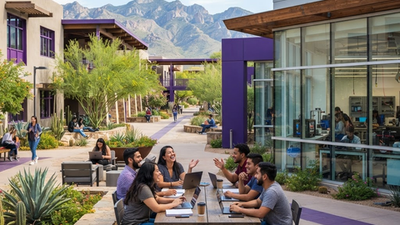
The Value of Colleges in Tucson
Colleges play a vital role in Tucson's educational ecosystem, offering affordable, flexible pathways to career training, associate degrees, and transfer opportunities. For students seeking hands-on skills, career changes, or an economical route toward a bachelor's degree, the city's colleges provide accessible options that fit a wide range of goals and lifestyles. These institutions serve recent high school graduates, working adults, and lifelong learners alike.
Beyond individual benefits, colleges strengthen the local economy by producing skilled workers who meet the demands of Tucson's growing industries. From healthcare and technology to skilled trades and business, these institutions align their programs with regional workforce needs, creating a mutually beneficial relationship between education and community prosperity.
Leading Colleges Serving the Region
Pima Community College stands as a cornerstone of higher education in Tucson, serving tens of thousands of students across multiple campuses. Known for its affordability and comprehensive program offerings, Pima provides everything from workforce certificates to transfer-ready associate degrees, making higher education attainable for a broad population.
In addition to Pima, specialized colleges and career institutes offer focused training in fields such as healthcare, culinary arts, cosmetology, and technical trades. These institutions deliver targeted education designed to prepare students for immediate employment, filling essential roles in the local job market.
Programs and Career Pathways
Tucson's colleges offer an impressive breadth of programs tailored to diverse interests and career aspirations. Popular fields include nursing and allied health, information technology, business administration, automotive technology, and skilled trades such as welding and HVAC. Many programs incorporate internships, clinical placements, and industry partnerships that provide real-world experience.
Transfer programs are another key strength, allowing students to complete general education requirements affordably before continuing to a four-year university. This pathway saves money while maintaining academic rigor, giving students a strong foundation for bachelor's degree completion and beyond.
Trends in Community College Education
Flexibility has become a defining feature of modern colleges. Online courses, hybrid learning, and evening and weekend classes accommodate the busy schedules of working students and parents. This adaptability has made higher education more accessible than ever, expanding opportunities for those balancing multiple responsibilities.
Colleges are also strengthening ties with local employers to ensure their programs meet current workforce demands. Apprenticeships, industry certifications, and dual-enrollment options for high school students reflect a growing emphasis on practical, career-aligned education that leads directly to meaningful employment.
Choosing the Right College
Selecting a college involves evaluating factors such as program offerings, accreditation, cost, location, and schedule flexibility. Prospective students should consider their career goals and whether they intend to enter the workforce directly or transfer to a university afterward. Speaking with admissions advisors and exploring financial aid options can clarify the best path forward.
With affordable tuition, flexible schedules, and strong career-focused programs, Tucson's colleges offer valuable opportunities for students at every stage of life. Choosing the right institution can be a transformative first step toward a rewarding career and a brighter future.