
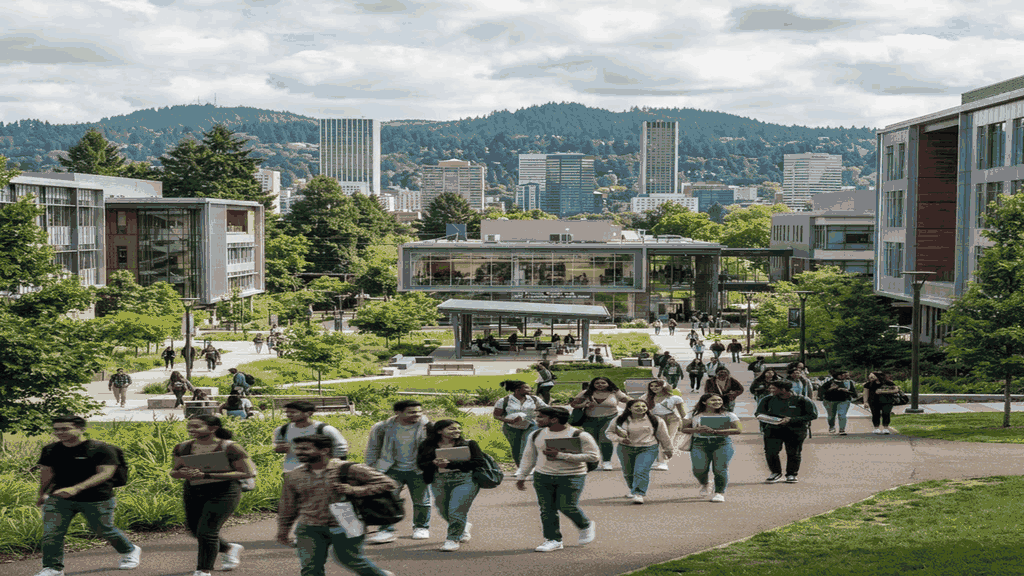
A Vibrant College Culture in Portland
Portland's higher education scene is as dynamic and diverse as the city itself. Home to liberal arts colleges, community colleges, art and design institutions, and professional schools, the city offers students an exceptional range of options. Its creative energy, thriving job market, and strong sense of community make Portland an appealing place to pursue a degree. Whether students seek a small, intimate learning environment or an affordable path to a career, the region's colleges provide pathways suited to many goals and backgrounds.
Choosing a college involves weighing academics, cost, location, campus culture, and career outcomes. Portland's institutions each bring distinct strengths, giving prospective students plenty to consider as they plan their futures.
What to Look for in a College
The best colleges deliver strong academic programs, supportive faculty, and resources that help students succeed. Small class sizes and accessible professors enhance learning, while robust advising and career services ease the transition to employment or further study. Financial aid, scholarships, and affordable tuition make education attainable, and a welcoming campus culture helps students feel at home.
Connections to the local community and industry also matter. Colleges with internship partnerships, hands-on learning, and ties to Portland's business and creative sectors give graduates a meaningful edge in the job market.
Leading Colleges in the Portland Area
Reed College stands out as a nationally respected liberal arts institution known for intellectual rigor and a distinctive academic culture. Lewis & Clark College offers strong programs in the liberal arts, environmental studies, and law, set on a scenic hillside campus. The University of Portland, a private institution with a values-driven mission, is well regarded for engineering, nursing, and business.
For accessible, affordable education, Portland Community College serves tens of thousands of students across multiple campuses with transfer pathways and career training. Portland State University anchors the downtown core with a wide range of undergraduate and graduate programs. Specialized institutions such as the Pacific Northwest College of Art and Oregon College of Art and Craft heritage programs support the city's creative community, while Warner Pacific University and Multnomah University offer faith-based education.
Community Colleges and Career Pathways
Community colleges play a crucial role in Portland's educational ecosystem. They provide affordable tuition, flexible scheduling, and programs that lead directly to careers or transfer to four-year institutions. Fields such as healthcare, technology, skilled trades, and business are especially well served, with training designed to meet regional workforce needs.
These institutions welcome a broad range of students, from recent high school graduates to working adults seeking new skills. Their accessibility and practical focus make higher education achievable for many who might otherwise be unable to pursue it.
How to Choose the Right College
Begin by clarifying your academic and career goals, then research which colleges offer strong programs in your area of interest. Consider cost carefully, factoring in financial aid and scholarship opportunities. Visit campuses when possible to get a feel for the environment, and speak with current students and faculty about their experiences.
Think about location, class size, and support services, and evaluate graduation and employment outcomes. The right college is one where you will be challenged, supported, and well prepared for the path ahead.
Questions to Ask Before Making Your Choice
Before making a final decision, create a short list of priorities and compare each option against the same standards. Ask how long the organization has served the Portland area, what training or qualifications its team holds, and how it measures quality. Clear answers reveal both operational maturity and a genuine commitment to customers. It is also worth asking how the provider handles unexpected changes, complaints, accessibility needs, and peak demand. A thoughtful response is often a better indicator of future service than a polished sales message.
Pay attention to transparency throughout the evaluation process. Policies, fees, schedules, and limitations should be easy to understand before you commit. Look for recent feedback that describes specific experiences rather than relying on a single rating, and consider whether the organization communicates promptly and professionally. Portland residents often value organizations that support local communities, adopt sustainable practices, and make their services inclusive; these qualities can be useful differentiators when several choices appear equally strong.
Finally, remember that the highest-profile option is not automatically the best match. A smaller local organization may offer more personal attention, while a larger provider may deliver broader resources and greater scheduling flexibility. If possible, begin with a consultation, campus visit, introductory session, or limited engagement. Firsthand experience allows you to assess the people, process, and overall fit before making a larger commitment. Comparing value rather than price alone will usually lead to a more satisfying and dependable outcome.
Final Thoughts
Portland's colleges offer something for every kind of student, from prestigious liberal arts education to affordable community college pathways and specialized creative programs. By aligning your goals with an institution's strengths and considering practical factors like cost and location, you can find a college that sets you up for success. The city's rich educational landscape ensures that ambitious students have outstanding opportunities to learn and grow.