
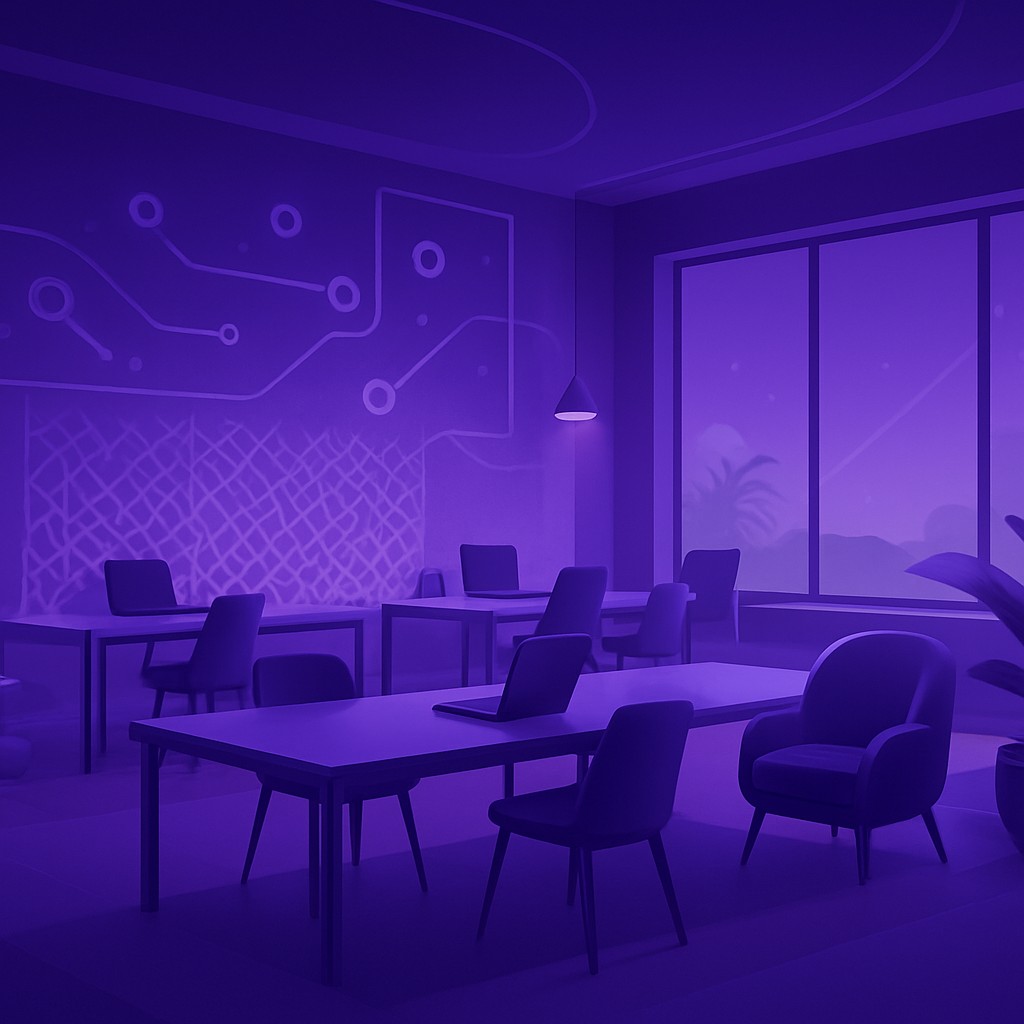
The Rise of Co-working Culture in Morocco
Co-working spaces have emerged as a defining feature of Morocco's modern economy, reflecting the country's growing entrepreneurial spirit and the global shift toward flexible work. As freelancers, startups, and remote employees seek alternatives to traditional offices and home setups, shared workspaces provide a productive, professional environment without the burden of long-term leases.
Cities like Casablanca, Rabat, Marrakech, and Tangier have become hubs for this movement, attracting digital nomads, creative professionals, and small businesses. The appeal lies not only in affordable desk space but also in the sense of community, networking opportunities, and access to amenities that would otherwise be costly to maintain independently.
What Co-working Spaces Offer
The best co-working spaces in Morocco go far beyond a desk and a chair. They provide high-speed internet, meeting rooms, private offices, event areas, and comfortable lounges designed to foster both focus and collaboration. Many include perks such as unlimited coffee, printing services, and on-site cafes, creating an all-in-one environment for getting work done.
Equally important is the community aspect. These spaces frequently host workshops, networking events, and mentorship sessions, connecting members with potential partners, clients, and collaborators. For solo entrepreneurs and small teams, this built-in network can be transformative, turning isolated work into a shared journey.
Notable Spaces Across the Kingdom
In Casablanca, the economic capital, spaces like New Work Lab and La Cigogne have become magnets for startups and creatives, offering vibrant atmospheres and strong community programming. Screen Lab and Le Comptoir also cater to professionals seeking modern, well-equipped environments in the heart of the city.
Rabat is home to thriving hubs such as Technopark, which supports technology companies and innovators with infrastructure and incubation services. In Marrakech, co-working spaces blend productivity with the city's distinctive charm, with venues like Atelier 21 and 7AYINA providing relaxed, design-forward settings popular with digital nomads. Tangier and other coastal cities are following suit, expanding the national network of flexible workspaces.
Why Professionals Choose Co-working
The flexibility of co-working is a major draw. Members can choose daily, monthly, or annual plans, scaling their commitment up or down as their needs evolve. This adaptability is ideal for freelancers with fluctuating workloads and startups that anticipate growth.
Beyond flexibility, co-working spaces offer a professional setting for client meetings, a structured routine that boosts productivity, and a healthy separation between work and home life. The collaborative energy of being surrounded by other motivated individuals often sparks new ideas and partnerships.
Trends and Future Outlook
Morocco's co-working sector is expanding steadily, driven by the rise of remote work, the growth of the local tech ecosystem, and increasing interest from international remote workers drawn to the country's culture and climate. Future spaces are likely to emphasize wellness, sustainability, and hybrid models that blend physical and virtual collaboration.
As demand grows, operators are investing in better design, stronger communities, and specialized spaces tailored to industries such as technology, design, and media. This evolution positions Morocco as an increasingly attractive destination for the global flexible-work movement.
Choosing the Right Co-working Space
With a growing number of options available, selecting the right co-working space requires careful consideration. Location is often the first priority, as proximity to home, transport links, and amenities significantly affects daily convenience. Beyond location, professionals should evaluate the quality of internet connectivity, the availability of quiet zones and meeting rooms, and the overall atmosphere of the space.
Pricing and membership flexibility are also key factors. Some individuals prefer pay-as-you-go access, while others benefit from dedicated desks or private offices. Visiting a space before committing, observing the community, and trying a day pass can help professionals determine whether the environment suits their working style and goals. The best fit balances cost, comfort, and the opportunity to connect with like-minded peers.
Co-working and Morocco's Startup Ecosystem
Co-working spaces are deeply intertwined with the growth of Morocco's startup ecosystem. Many double as incubators and accelerators, offering not just desks but mentorship, funding connections, and structured support for early-stage companies. This integration has helped nurture a generation of entrepreneurs building businesses in technology, e-commerce, design, and beyond.
By concentrating talent, resources, and ambition under one roof, these spaces accelerate innovation and collaboration. They serve as meeting points where ideas are exchanged, partnerships are formed, and ventures take shape. As Morocco continues to invest in its knowledge economy, co-working spaces will remain vital engines of entrepreneurship and creativity. Their continued growth reflects a broader cultural shift toward independent work, collaboration, and a more flexible, modern approach to building careers and businesses. For a rising generation of Moroccan professionals, these environments have become not just places to work but communities that inspire ambition and turn individual effort into shared momentum.
Conclusion
Co-working spaces have become essential to Morocco's modern work culture, offering more than just a place to sit. They provide community, opportunity, and inspiration, empowering a new generation of entrepreneurs and professionals to thrive in a dynamic and supportive environment.