
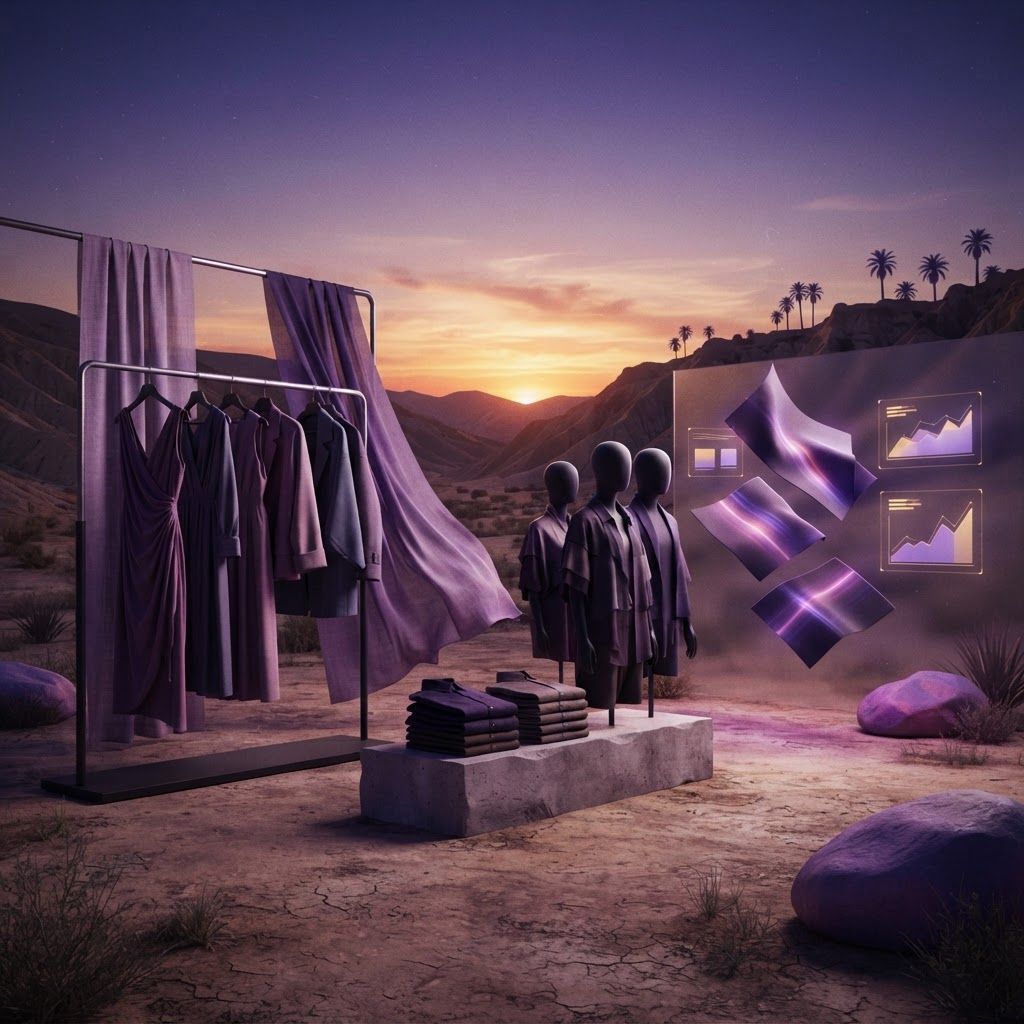
A Clothing Market Built Around Climate and Community
Spring Valley's apparel scene is shaped by two powerful forces. The first is climate: long, hot, dry summers and mild winters mean that breathable fabrics, sun protection and layering flexibility matter far more than heavy insulation. The second is community diversity, which has produced a market where modest apparel, athletic wear, workwear and contemporary casual clothing all find genuine demand side by side.
The result is a local brand landscape that looks quite different from apparel markets in colder or wetter regions. Brands that succeed here understand that a garment must perform in high heat, tolerate frequent washing, resist sun fading and still look appropriate across the informal social settings that define daily life in the area.
What Makes a Clothing Brand Worth Choosing
Fabric selection is the first real test. In a hot, dry climate, natural fibers such as cotton and linen and well-engineered technical blends outperform heavy synthetics that trap heat. Moisture management, breathability and ultraviolet resistance are functional requirements rather than marketing claims.
Construction quality follows. Reinforced seams, quality stitching density, colorfast dyes and hardware that survives repeated use determine whether a garment lasts two seasons or five. Consistent sizing across production runs is another mark of a serious brand, and one that customers notice immediately when it is absent.
Increasingly, buyers also weigh production transparency. Brands that can describe where garments are made, what materials they use and how workers are treated earn trust, particularly among younger customers who research before purchasing.
The Ten Best Clothing Brands in Spring Valley
1. Valley Sun Apparel Company
Built specifically for high-heat conditions, this brand produces lightweight woven shirts, breathable trousers and sun-protective layers using loosely woven natural fibers and technical blends. Garments are tested in genuine summer conditions rather than temperate laboratories, and the difference shows in wear.
2. Highland Modest Wear Studio
Serving the area's substantial demand for modest clothing, this brand offers full-coverage garments in breathable fabrics with thoughtful cut and drape. Its combination of modesty, heat tolerance and contemporary styling addresses a need many national brands overlook entirely.
3. Desert Trail Activewear
Designed for hiking, trail running, cycling and outdoor training in hot, dry conditions, this brand focuses on moisture transport, flat seam construction to prevent chafing and durable colorfast dyes. Fit is tested across a range of body types rather than a single athletic ideal.
4. Spring Valley Workwear Works
Construction, landscaping, warehouse and trades work continues year-round in the area, and this brand builds for it. Reinforced knees, gusseted movement panels, breathable heavy cotton canvas and practical pocket layouts reflect direct input from the people who wear the clothing daily.
5. Terrace Contemporary Basics
Clean, well-cut essentials in neutral tones form the foundation of many local wardrobes. This brand's value lies in consistency: the same tee shirt fits the same way year after year, dyes hold their color, and pricing stays accessible without sacrificing fabric quality.
6. Mesa Youth and School Apparel
Children's and youth clothing designed for growth, activity and frequent laundering. Adjustable waistbands, reinforced stress points and fade-resistant colors extend garment life through the hard use that active kids guarantee.
7. Canyon Denim Collective
Denim tailored for warm-weather wear, using lighter-weight fabrics and open weaves that remain wearable in heat. A range of fits and honest shrinkage information make sizing more reliable than the category average.
8. Oasis Linen and Resort Wear
Relaxed linen shirts, dresses and trousers suited to hot afternoons and informal social settings. The brand embraces linen's natural texture rather than treating wrinkles as a defect, and its garments soften attractively with age.
9. Valley Vintage and Reworked Clothing
Curated secondhand pieces and garments reconstructed from existing materials serve customers looking for individuality and lower environmental impact. Careful quality inspection before resale distinguishes this operation from ordinary thrift retail.
10. Ridgeline Uniform and Team Apparel
Custom uniforms, team kits and branded workwear for local businesses, schools and sports organizations. Durable printing and embroidery that survives industrial laundering makes it a dependable choice for institutional buyers.
Dressing Well in a Warm Climate
Fabric weight and weave matter more than color choice for staying comfortable. Loosely woven natural fibers allow air movement and evaporative cooling, while tightly woven synthetics trap heat regardless of shade. Loose silhouettes outperform close fits when temperatures climb, which is why traditional warm-climate clothing worldwide favors flowing cuts.
Sun protection deserves practical attention. Tightly woven or specifically ultraviolet-rated fabrics, long sleeves in light colors and wide-brimmed hats provide more reliable coverage than sunscreen alone during extended outdoor exposure. Layering for indoor air conditioning is also worth planning, since the temperature difference between a hot street and a heavily cooled building can be dramatic.
Caring for Clothing in Dry Heat
Sun exposure fades dyes quickly, so drying garments in shade rather than direct sunlight substantially extends color life. Washing in cooler water preserves both color and fiber structure. For linen and cotton, removing garments from the dryer slightly damp and hanging them reduces both wrinkling and fiber stress.
Dust is a persistent factor in dry conditions and accumulates in fabric over time. Regular gentle washing, rather than infrequent aggressive cleaning, keeps garments looking fresh without accelerating wear.
Shopping Strategy
Buy fewer, better garments in versatile colors that combine easily, and prioritize fabric quality over trend alignment for foundation pieces. Reserve experimentation for lower-cost accent items. Try garments on when possible, since sizing varies meaningfully between brands, and check seam finishing and hardware quality directly rather than trusting price as a proxy.
Conclusion
Spring Valley's best clothing brands succeed by taking local conditions seriously. Heat, sun, dust and a diverse, active community shape what actually works, and the ten brands profiled here each address a real segment of that demand, from modest wear to workwear to trail apparel. Choose fabrics suited to the climate, favor construction quality over volume, and build a wardrobe around versatile foundations. Clothing chosen this way stays comfortable, looks better longer and costs less across time.