
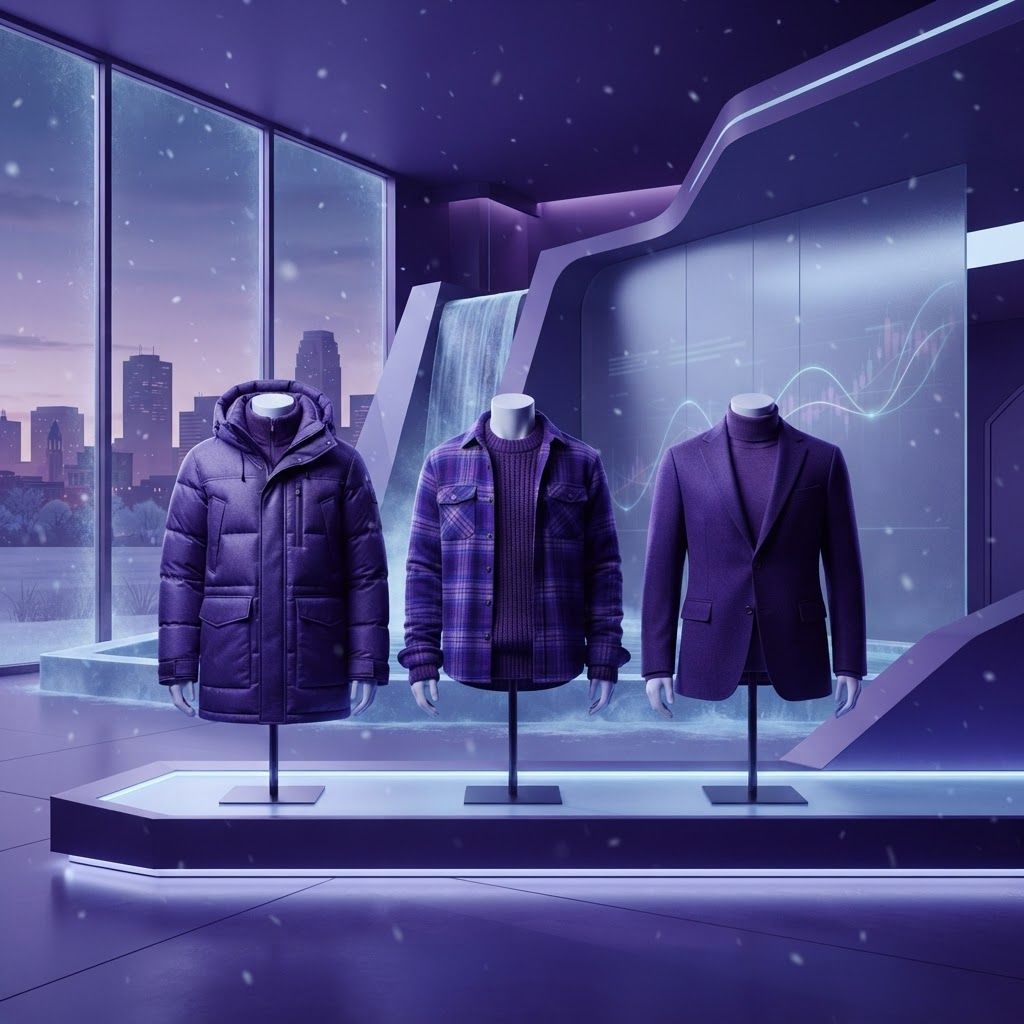
Dressing for a Climate With Real Range
Sioux Falls asks more of a wardrobe than most American cities. Winter brings sustained subzero cold with wind that makes exposure genuinely dangerous, while summer delivers heat and humidity that punish anything heavy or synthetic. Spring and autumn swing thirty degrees in a single day. Add persistent prairie wind and the result is a clothing market where layering competence matters more than trend awareness.
The city's economy shapes demand too. A large healthcare sector needs scrubs and comfortable footwear. Financial services and professional offices support business and business-casual buying. Manufacturing and agriculture require durable workwear. A growing downtown dining and entertainment scene supports smarter casual wear, and an active outdoor culture drives technical apparel sales year round.
How to Think About Categories
Rather than chasing individual labels, it helps to understand what each category delivers. Technical outdoor brands provide insulation, wind resistance, and moisture management engineered for actual cold. Heritage workwear brands prioritize abrasion resistance and repairability. Business and professional wear covers offices with varying formality. Athletic and athleisure brands serve gyms, trails, and casual wear alike. Local and regional makers offer designs tied to South Dakota identity, often with better construction than mass-market equivalents. Sustainable brands emphasize durability and repair over replacement, which suits a climate that tests garments hard.
1. Technical Winter Outerwear Brands
Down and synthetic insulated parkas with wind-blocking shells and storm hoods. In a climate with sustained deep cold, genuine temperature-rated outerwear is a safety item rather than a fashion purchase, and quality here matters more than in any other category.
2. Heritage Workwear Labels
Duck canvas jackets, reinforced work pants, and insulated bib overalls built for construction, agriculture, and trades. These garments earn their reputation through abrasion resistance and the ability to be patched rather than discarded.
3. Merino and Technical Baselayer Brands
Wool and synthetic baselayers that manage moisture while insulating. Experienced residents know that baselayer quality determines winter comfort more than coat thickness does, particularly for anyone working outdoors.
4. Business and Professional Wear Brands
Suiting, dress shirts, blouses, and separates with performance fabrics that resist wrinkling and travel well. Professional wardrobes here need to survive commutes in extreme temperatures without looking it.
5. Regional Outdoor Lifestyle Brands
Flannel shirts, fleece, and casual layers with upper-midwest design sensibility. This category bridges practical warmth and everyday style, which is exactly what most of the year requires.
6. Athletic and Athleisure Brands
Performance activewear for gyms, indoor training through winter, and trail use in warmer months. Versatility across indoor and outdoor use drives value in a climate that forces seasonal shifts in activity.
7. Local Makers and South Dakota Labels
Independent designers and small-batch producers creating apparel with regional identity. Local labels typically offer better construction quality and distinctiveness than mass-market alternatives at comparable price points.
8. Healthcare Apparel and Scrub Brands
Modern scrubs with stretch fabrics, functional pockets, and antimicrobial finishes. Given the scale of the local healthcare workforce, this is one of the strongest apparel categories in the city.
9. Sustainable and Repair-Focused Brands
Companies offering repair programs, resale platforms, and durable construction with long warranties. Buying fewer, better garments is well suited to a place where clothing faces real environmental stress.
10. Value Basics and Family Apparel Brands
Affordable everyday staples for growing children and high-turnover items. Families need practical replacement cycles, and value brands make sense where garments will be outgrown before they wear out.
Trends Shaping Local Apparel Buying
Layering systems have replaced single heavy garments as the standard approach, giving wearers adaptability across daily temperature swings. Performance fabrics have entered professional and casual clothing, delivering stretch and moisture management in garments that look conventional. Resale and consignment have grown significantly, both for value and sustainability reasons, and work particularly well for children's clothing and winter outerwear. Repair services and brand repair programs have gained traction as buyers reconsider replacement cycles. And downtown revitalization has expanded demand for smart casual clothing that works for dinner and events.
Practical Wardrobe Advice
Invest disproportionately in outerwear, boots, and baselayers, since these determine winter comfort and safety while lasting many seasons. Choose wool and technical synthetics over cotton for cold-weather layers, because cotton retains moisture and loses insulating value when damp. Buy outerwear with adjustable hoods, cuffs, and hems to manage wind, which is the most underestimated element of prairie cold. Look for garments with reinforced stress points if you work in trades or agriculture. Take advantage of shoulder-season sales for outerwear, and store off-season clothing properly to extend its life. Finally, consider repairability at purchase, since a coat that can be re-zippered or patched serves far longer than one that cannot.
Final Thoughts
Clothing in Sioux Falls is fundamentally about function meeting everyday life. The strongest options span technical winter outerwear, heritage workwear, healthcare apparel, professional performance fabrics, local makers, and value basics. Shoppers who build a layering system rather than collecting individual garments, and who invest where the climate demands it, end up with wardrobes that work across genuinely extreme conditions without constant replacement.