
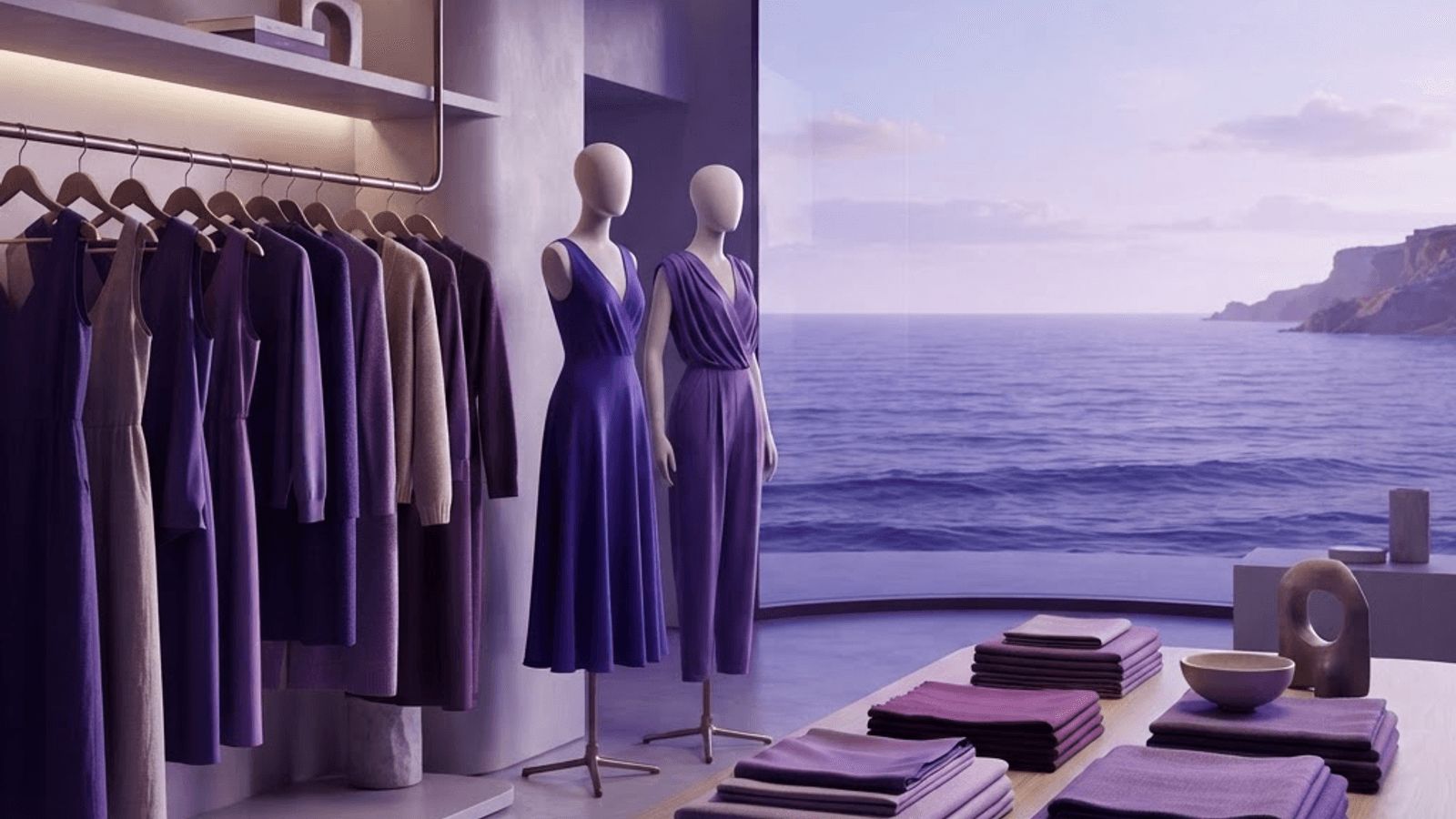
How Oceanside Shaped Its Own Clothing Style
Coastal cities tend to develop clothing cultures that reflect their climate and pace, and Oceanside is a clear example. Salt air, wind, strong sun and frequent shifts between indoor and outdoor settings favour breathable natural fibres, layering pieces and construction that tolerates repeated washing. The result is a local aesthetic that reads as relaxed but is often more technically considered than it appears.
The brands operating here range from surf-influenced labels with decades of history to newer studios focused on small-batch production and material transparency. Together they give residents genuine choice between casual coastal wear, refined everyday clothing and performance-oriented pieces.
How to Judge Clothing Quality
Start with fabric composition and weight, since a garment's material determines most of how it will wear. Examine seam construction, checking for even stitching, finished edges and reinforcement at stress points such as pockets and shoulders. Inspect hardware, because cheap zips and buttons fail long before the fabric does. Pattern matching across seams indicates care in cutting. Finally, consider fit consistency across a brand's range, which matters enormously for repeat buying and online ordering.
The Top 10 Clothing Brands in Oceanside
1. Saltline Apparel
A coastal heritage brand known for durable cotton shirting, canvas outerwear and pieces designed to age well rather than look new indefinitely. Its garments use heavier fabric weights than typical casual wear, and repair services extend garment life considerably, which has built a notably loyal customer base.
2. Harbour and Tide
Harbour and Tide focuses on relaxed tailoring suited to a warm coastal climate, including unstructured jackets, linen trousers and lightweight knitwear. The brand occupies useful ground between formal and casual, serving people who need to look considered without wearing heavy conventional suiting.
3. Driftwood Studio
A small-batch label producing limited runs with strong emphasis on natural dyes and organic fibres. Production transparency is central to its identity, with clear information about where garments are made. Limited quantities mean pieces sell through quickly rather than being discounted at season end.
4. Breakwater Surf Co.
Rooted in surf culture, Breakwater produces boardshorts, rash guards, technical swimwear and casual wear built for salt water exposure. Its performance fabrics resist chlorine and UV degradation, and the brand's casual range carries the same construction standards rather than treating it as an afterthought.
5. Meridian Knitwear
Meridian specialises in knitwear appropriate to a mild climate, using lighter gauges and breathable blends rather than heavy winter constructions. Fully fashioned shaping and quality yarn selection give its pieces structure that survives repeated wear without stretching out.
6. Coastline Workwear
Coastline builds durable workwear for trades, marine work and outdoor occupations, with reinforced construction and practical pocket layouts. Its garments have crossed into everyday wear because the same durability that suits a job site also suits people who simply want clothing that lasts.
7. Lumen Womenswear
Lumen produces contemporary womenswear with an emphasis on versatile pieces that transition between settings. Its fit development process uses a wider range of body shapes than industry standard, which has translated into notably better fit consistency across sizes.
8. Anchor Point Basics
Anchor Point concentrates entirely on foundational pieces: t-shirts, sweatshirts, socks and underwear made from quality materials at reasonable prices. By keeping the range narrow it maintains consistency, and customers can reliably reorder the same item years later.
9. Verdea Sustainable Clothing
Verdea builds its range around recycled and low-impact materials with published environmental data. It operates a take-back program that recycles worn garments, and it is transparent about the limitations of current recycling technology rather than overstating its claims.
10. Atelier Oceanside
A made-to-measure and alterations studio producing tailored garments to individual measurements. For clients who struggle with standard sizing or want specific fabrics, it offers a level of fit that off-the-rack clothing cannot match, and its alteration service extends the life of existing wardrobes.
Trends in the Clothing Industry
Durability has re-emerged as a selling point after years of disposable fashion, with repair services and construction detail featuring prominently in brand communication. Material transparency is increasingly expected, covering fibre origin, production location and environmental impact. Size inclusivity and better fit development continue to improve, though unevenly. Resale and rental channels have become mainstream rather than niche. Meanwhile, smaller brands are finding viability through direct sales and limited production runs rather than wholesale-driven volume.
Building a Wardrobe That Lasts
Buy fewer, better pieces in colours and cuts that work together, and prioritise fabric quality over trend alignment. Learn the care requirements before purchase, since a garment requiring treatment you will not maintain is a poor investment regardless of quality. Use alterations to improve fit, which transforms how clothing looks far more than price does. Support brands that offer repair, and factor cost per wear rather than purchase price into your assessment of value.
Final Thoughts
Oceanside's clothing brands reflect the city's climate and character with real craft behind the relaxed appearance. From heritage coastal labels to sustainable studios and made-to-measure tailoring, the range rewards buyers who look closely at construction and material. Choose deliberately and a wardrobe becomes an asset rather than a recurring expense.