
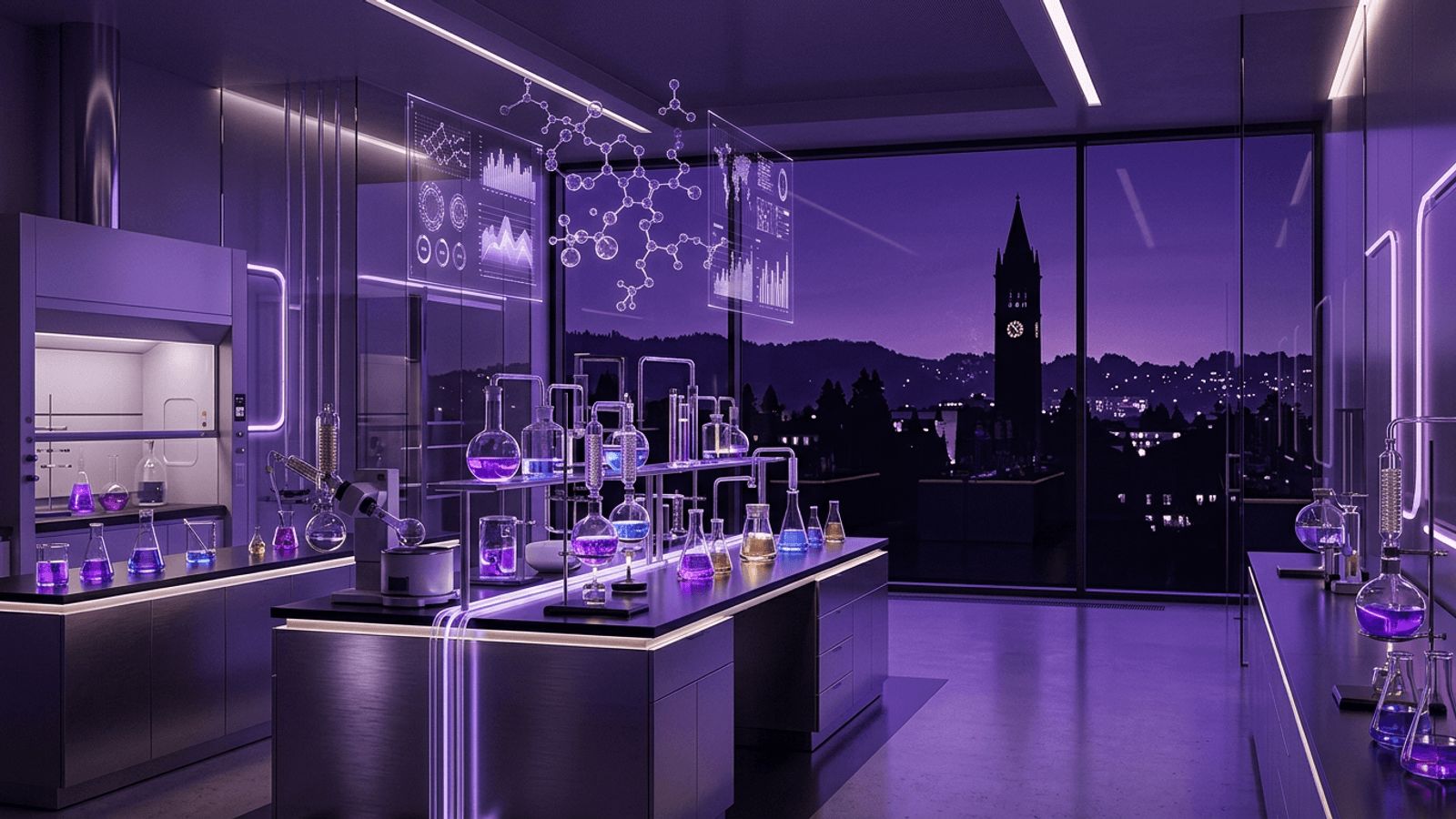
Where Chemistry Meets Sustainability
Few places in the world have contributed as much to chemistry as Berkeley. UC Berkeley's College of Chemistry is consistently ranked among the best in the world, and researchers connected to the university and Lawrence Berkeley National Laboratory have been associated with the discovery of numerous chemical elements. This scientific heritage has spawned a new generation of companies focused on green chemistry, bio-based materials, carbon utilization, and advanced battery chemistry.
For businesses seeking chemical suppliers, research partners, or innovative materials, the Berkeley area offers an unusually rich ecosystem. Below are ten chemical and materials companies that stand out for their technology, reputation, and influence on the region.
Why Berkeley Is a Chemistry Capital
The city combines elite research institutions, venture funding, and a culture that prioritizes environmental responsibility. Startups spin out of university labs and find space in West Berkeley and neighboring Emeryville, where lab facilities are concentrated. State regulations encouraging safer chemicals and lower emissions have also pushed companies to develop cleaner alternatives to petroleum-based products.
The Top 10 Chemical Companies in Berkeley
1. Bayer
Bayer operates a large biologics manufacturing and research campus in Berkeley that has been part of the city for decades. The site focuses on producing complex biological medicines and has become one of the most significant life sciences employers in the East Bay, with investments in cell and gene therapy capabilities.
2. The Clorox Company
Headquartered in Oakland, Clorox is one of the most recognized consumer chemical companies in the world. Its portfolio spans disinfectants, cleaning products, and household brands, and its research operations in the East Bay focus on product safety, efficacy, and sustainable packaging.
3. Lygos
Berkeley-based Lygos uses engineered microbes to produce specialty chemicals from sugar instead of petroleum. Its bio-based organic acids can be used in products ranging from cosmetics to industrial applications, offering a lower carbon footprint than conventional production methods.
4. Visolis
Visolis is a Berkeley company developing a hybrid bio-chemical platform that converts renewable feedstocks into high-performance materials and fuels. Its technology aims to replace fossil-derived chemicals in applications such as sustainable aviation fuel and specialty polymers.
5. Twelve
Twelve, founded in Berkeley, has developed electrochemical technology that transforms carbon dioxide into chemicals and fuels. By turning captured emissions into useful products, the company is pioneering a new category of carbon-transformation chemistry with the potential to reshape heavy industry.
6. Pivot Bio
Pivot Bio, headquartered in Berkeley, develops microbial solutions that supply nitrogen to crops, reducing reliance on synthetic fertilizers. Its products help farmers lower costs and emissions while protecting water quality, demonstrating how biology can replace energy-intensive chemical processes.
7. Caribou Biosciences
Caribou Biosciences is a Berkeley company co-founded by pioneers of CRISPR gene editing. While focused on therapeutics, its work sits at the intersection of chemistry and biology and highlights the region's leadership in molecular innovation.
8. Sila
Sila, based in Alameda, develops advanced battery materials, including silicon anode technology designed to increase energy density in lithium-ion batteries. Its materials could enable longer-range electric vehicles and longer-lasting consumer electronics.
9. Kiverdi
Kiverdi is a Bay Area company that uses microbes to convert carbon dioxide into proteins, oils, and other valuable ingredients. Its carbon-to-value approach supports the development of sustainable food and industrial products.
10. Novozymes
Now part of Novonesis following a merger, Novozymes has long maintained research operations in Davis, Northern California. The company is a world leader in industrial enzymes and microbes used in detergents, food processing, bioenergy, and agriculture, and its biological solutions reduce chemical and energy consumption across industries.
How to Select a Chemical Partner
Look for companies with strong safety records, regulatory compliance, and clear documentation. Ask about product purity, consistency between batches, and scalability. If sustainability is a priority, request lifecycle assessments and information on feedstocks and emissions. For research collaborations, evaluate intellectual property arrangements and the partner's experience moving technologies from the lab to commercial scale.
Trends in the Chemical Industry
The industry is shifting toward bio-based production, carbon utilization, and safer formulations. Synthetic biology allows companies to engineer microbes that produce chemicals with less energy and waste. Battery materials are attracting major investment as electrification accelerates. Circular approaches, including chemical recycling and renewable feedstocks, are also gaining momentum as companies respond to climate commitments and consumer expectations.
Frequently Asked Questions About the Chemical Sector
How do green chemistry startups differ from traditional chemical companies?
Traditional producers typically rely on petroleum feedstocks and high-temperature processes. Green chemistry startups often use renewable inputs such as sugar, plant waste, or captured carbon dioxide, and they may rely on biological processes like fermentation or electrochemistry. The goal is to make equivalent or better products with lower emissions and fewer hazardous byproducts.
Why do so many chemistry startups locate near Berkeley?
Access to talent and research is the main reason. Founders frequently come from UC Berkeley or national laboratories, and they want to stay close to collaborators and specialized equipment. Shared lab spaces in Berkeley and Emeryville lower the cost of getting started, and the region's investors understand the long development timelines that chemical innovation requires.
What should businesses ask before buying from a new chemical supplier?
Request safety data sheets, certificates of analysis, and information on quality control. Confirm that the supplier can deliver consistent volumes and understand how pricing may change as production scales. For bio-based products, ask for third-party lifecycle data to verify sustainability claims and ensure the product meets your technical specifications.
Final Thoughts
Berkeley's chemical sector reflects the city's character: scientifically rigorous, environmentally conscious, and forward-looking. The companies on this list are proving that chemistry can be a powerful tool for solving climate and health challenges while delivering high-performance products.