
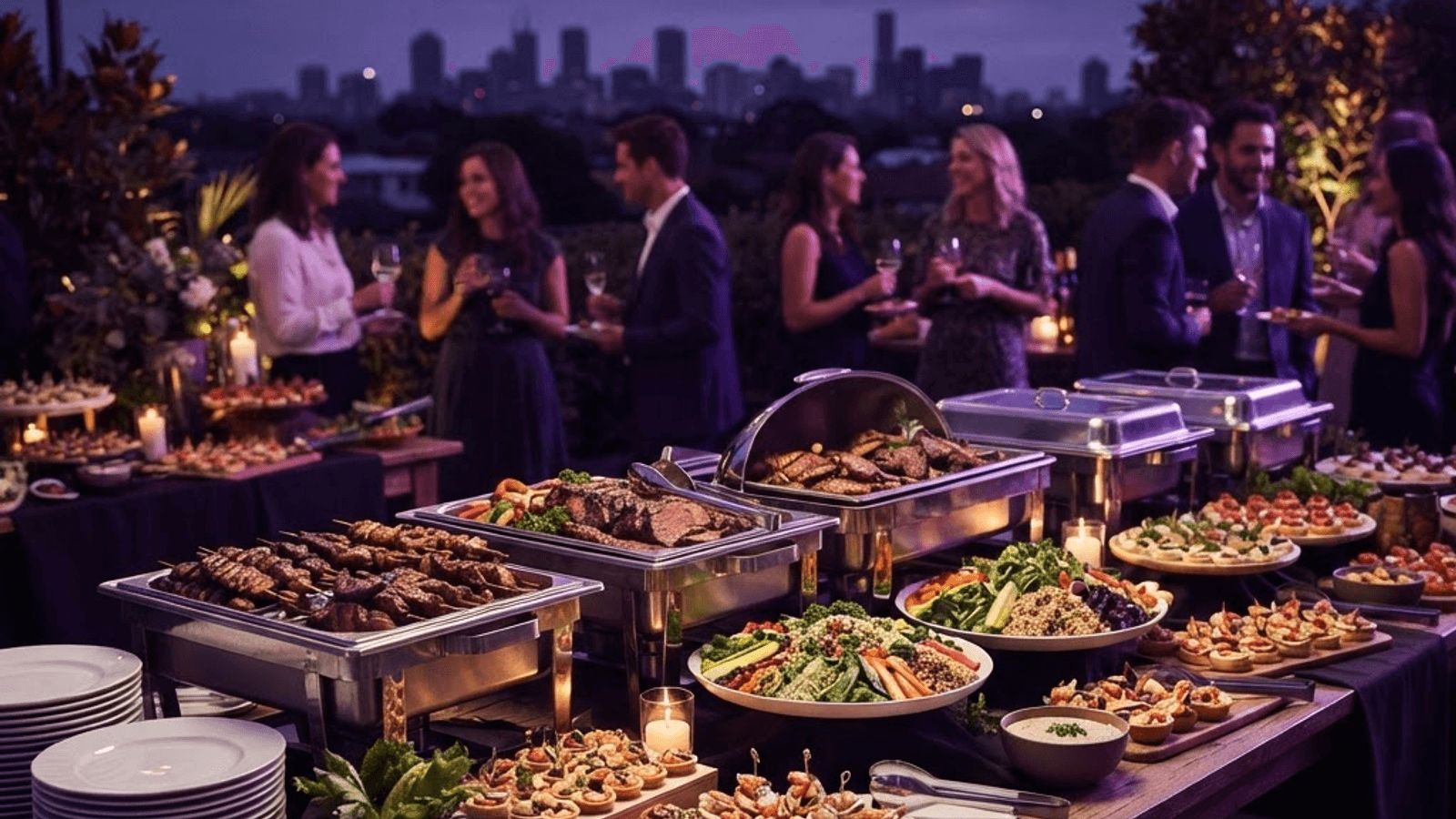
Catering in a City That Celebrates
Moreno Valley hosts a remarkable volume of gatherings for a city its size. Large extended families, active faith communities, a busy corporate and industrial sector, and a strong tradition of milestone celebrations combine to keep caterers working nearly every weekend. Quinceaneras and weddings anchor the calendar, graduation season fills late spring, and corporate meetings, warehouse appreciation lunches, and municipal events fill weekdays throughout the year.
That demand has produced a catering market with genuine range: full-service operations that handle hundreds of guests with staffing and rentals, taqueria-style caterers who bring the grill on site, barbecue specialists, and drop-off services built for office lunches. Choosing well requires matching the caterer's operating model to the event rather than simply comparing menus.
Understanding Catering Service Models
Full-service catering includes menu planning, on-site cooking or finishing, service staff, bartending, rentals coordination, setup, and cleanup. It costs the most and removes nearly all logistical burden from the host, which matters enormously for weddings and formal events.
Buffet and station catering delivers prepared food with chafing equipment and either minimal or full attendant staffing. It suits large casual gatherings and keeps per-guest costs lower while still feeling substantial.
Drop-off catering delivers packaged food with serving utensils and no staff. It is the practical choice for office lunches, meetings, and small gatherings where guests serve themselves.
On-site cooking, including taco carts, grills, and mobile kitchens, brings preparation to the venue. Food arrives at its best, and the cooking itself becomes part of the event's atmosphere, though it requires space, power or fuel access, and venue approval.
The Top 10 Catering Services in Moreno Valley
1. Valley Table Catering. The most established full-service operation in the area, Valley Table handles weddings and formal events from a hundred to several hundred guests. Its strength is logistics: detailed timelines, adequate staffing ratios, and coordination with venues and other vendors. Clients consistently note that service runs on schedule without visible strain.
2. Sabor del Valle. A Mexican and Latin catering specialist known for on-site taco service, birria, carnitas, and full plated dinners for quinceaneras and weddings. The salsa program alone has earned it a following, and its staff handle very large family events with practiced calm.
3. Highland Corporate Catering. Highland focuses on business clients, delivering breakfast, lunch, and meeting catering to offices, warehouses, and medical facilities. Reliability is its selling point, with narrow delivery windows honored consistently and packaging designed for staggered break schedules in shift environments.
4. Arroyo Smokehouse Catering. A barbecue-focused caterer serving brisket, ribs, chicken, and traditional sides for company picnics, community events, and family celebrations. Meat is smoked overnight rather than finished quickly, and the operation can scale to very large outdoor gatherings with mobile equipment.
5. Citrus Grove Events. Citrus Grove offers seasonal California-style menus built around fresh produce, grilled proteins, and grain salads, with strong vegetarian and vegan options. It appeals to hosts who want lighter fare and flexible dietary accommodation without ordering separate special meals.
6. Sunridge Wedding Cuisine. A wedding specialist that provides tasting sessions, menu customization, coordinated timelines with planners, and full rentals management. Its staff training shows in service consistency across long receptions, and it maintains relationships with most regional venues.
7. Meridian Global Kitchen. Meridian builds multicultural menus for events with diverse guest lists, drawing on Mediterranean, Middle Eastern, Asian, and Latin traditions. Halal and vegetarian preparation is handled with proper separation, which makes it a frequent choice for community and interfaith gatherings.
8. Blue Mesa BBQ and Grill Co. A mobile grilling operation that cooks on site for company events, fundraisers, and neighborhood gatherings. Its equipment is self-contained, requiring no venue kitchen, and its pricing structure works well for casual events at moderate guest counts.
9. Pathway Boxed Meals. Pathway specializes in individually packaged meals for training sessions, medical facilities, film and industrial crews, and events where shared serving lines are impractical. Labeling for allergens and dietary needs is handled carefully, which matters in institutional settings.
10. Cactus Bloom Plant-Based Catering. An entirely plant-based caterer producing full menus for weddings, corporate events, and celebrations. It has built a reputation for satisfying mixed guest lists, with dishes that stand on their own rather than serving as substitutes.
How to Choose and Book a Caterer
Start with guest count, venue constraints, and budget, in that order. Venue rules determine more than hosts expect, including whether open flame is permitted, whether a kitchen is available, what time load-in can begin, and whether alcohol service requires specific licensing. Share these details before requesting quotes, because a proposal built on wrong assumptions will change.
Always taste before booking a significant event. Reputable caterers offer tastings for weddings and large functions, and the session also reveals how the team communicates and handles requests.
Verify licensing and insurance. Caterers should hold current health permits, food handler certifications, and liability coverage, and venues typically require proof. Ask for documentation rather than assurances.
Read the contract for the details that cause disputes: final guest count deadline, overtime rates, service charge versus gratuity, cancellation terms, rental damage responsibility, and what happens to leftover food.
Budgeting Realistically
Per-guest food cost is only part of the total. Staffing, rentals, delivery, service charges, and taxes commonly add a substantial percentage. Hosts working to a firm budget should ask for an all-in per-guest figure rather than a menu price, then decide where to economize. Shifting from plated service to stations, choosing chicken and vegetarian mains over premium beef, and holding events at off-peak times all reduce cost meaningfully without diminishing hospitality.
Trends in Local Catering
Several patterns stand out. Interactive stations and on-site cooking continue to grow because guests enjoy the experience and food quality benefits. Dietary accommodation has moved from special request to standard planning, with caterers building menus that serve most restrictions by default. Individually packaged options remain popular in institutional and workplace settings. And hosts are increasingly attentive to waste, arranging donation or planned distribution of surplus food.
For anyone planning an event in Moreno Valley, the encouraging news is depth of choice. Whatever the scale, formality, or cuisine, the local market has an experienced operator who has done it many times before.