
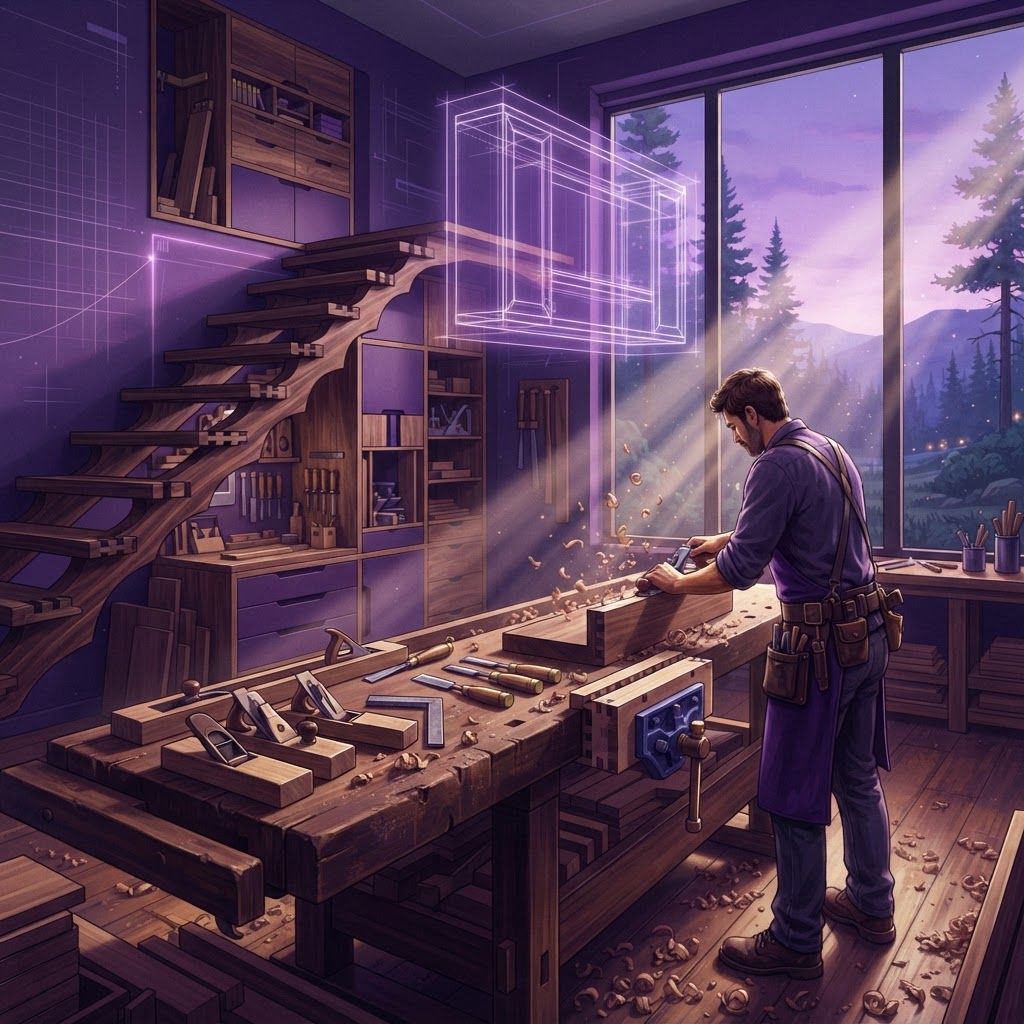
Carpentry's Central Role in Boise Construction
Carpentry underpins nearly every construction and remodeling project in Boise City. Rough carpenters frame the structure, set beams, and build the skeleton that everything else attaches to. Finish carpenters install trim, doors, stair components, built-ins, and cabinetry, delivering the details homeowners actually see and touch every day. Between those extremes sits a wide range of specialty work: decks and outdoor structures, custom furniture, architectural millwork, and restoration of historic detail in older neighborhoods.
Boise's building stock creates unusually varied demand. Bungalows and craftsman homes in the North End contain profiles and joinery that require patient replication. Mid-century ranches on the Bench often need thoughtful updates that respect original proportions. New construction across the valley demands speed and precision at production scale. Few trades require such a wide skill range within a single market.
Specialties Within the Carpentry Trade
Framing and structural carpentry involves floor systems, wall assemblies, roof structures, engineered lumber installation, and structural modifications during remodels. Accuracy here determines whether every subsequent trade encounters problems or proceeds smoothly, and skilled framers save enormous time downstream.
Finish carpentry covers baseboards, casings, crown molding, wainscoting, coffered ceilings, stair rails and treads, interior doors, and closet systems. It is measured in fractions of a millimeter of visible gap, and the difference between competent and excellent is immediately obvious.
Cabinetmaking and millwork operate as a separate discipline, often shop-based, producing kitchen and bath cabinetry, entertainment units, office built-ins, mudroom lockers, and library shelving. Custom shops can match unusual dimensions, integrate appliances precisely, and produce finishes unavailable from stock lines.
Exterior carpentry includes decks, pergolas, covered patios, fences, gates, siding, soffit and fascia work, and outdoor kitchen structures. These assemblies face Idaho's full weather range, so material selection and detailing for drainage and movement matter significantly.
Carpentry Providers Serving Boise City
Firms and shops commonly referenced in the area include Boise Custom Carpentry, Treasure Valley Woodworks, Capital City Finish Carpentry, Gem State Cabinet Company, Foothills Carpentry Services, River City Millwork, Silver Sage Woodcraft, Basin Custom Cabinetry, Ridgeline Carpentry Group, and Idaho Heritage Woodworking.
Some operate as trim and installation crews serving builders and remodelers on a subcontract basis. Others run full cabinet shops with design services, CNC equipment, and spray finishing booths. A handful specialize in restoration, reproducing historic moldings and repairing original windows and doors rather than replacing them. Furniture makers and specialty woodworkers round out the market, producing dining tables, mantels, and architectural features.
What Defines Excellent Carpentry Work
Precision is the obvious marker, but consistency is the real test. Excellent carpenters produce uniform reveals, tight miters that stay tight through seasonal movement, and level, plumb installations regardless of how imperfect the underlying structure is. Accommodating existing conditions gracefully is much of the craft.
Material knowledge separates professionals from installers. Understanding how different species move with humidity changes, where to use engineered materials for stability, when to specify moisture-resistant substrates, and how finish choices affect durability leads to work that ages well. In Boise's dry climate with significant seasonal humidity swings, allowing for wood movement is essential in wide panels, flooring, and large cabinet doors.
Process discipline completes the picture. Careful measurement and shop drawings before fabrication, dust control during interior work, proper substrate preparation, and thorough final adjustment of doors and drawers indicate a shop that takes responsibility for the finished result rather than the individual task.
Trends in Local Woodwork
Design preferences have moved toward warmer, more natural finishes. Stained white oak, walnut accents, and mixed-material combinations pairing wood with painted surfaces have largely replaced the all-white cabinetry that dominated the previous decade. Textured details such as fluted panels, slat walls, and reeded cabinet fronts appear frequently in current projects.
Functional built-ins remain in high demand. Mudroom storage suited to outdoor gear, home office cabinetry with integrated cable management, pantry organization systems, and window seats with storage reflect how Treasure Valley households use their space.
Outdoor living continues to drive exterior carpentry, with covered structures extending usable patio season and composite decking gaining share for maintenance reasons, though cedar and thermally modified wood remain popular for appearance.
How to Hire a Carpenter
Match the specialist to the work. A superb framing crew is not necessarily the right choice for a fireplace surround, and a fine cabinetmaker may not want a deck project. Review photographs of completed work at close range, looking specifically at joints, transitions, and finish quality rather than overall room shots.
Discuss materials explicitly, including species, grade, substrate, and finish system, and get those details in the written scope. Confirm lead times for custom shop work, which often runs several weeks. Ask about site protection, whether finishing happens on site or in a shop, and how the carpenter handles adjustments after installation as materials acclimate.
Final Thoughts
Carpentry services in Boise City span structural framing to museum-quality millwork, and the market supports genuine craftsmanship at every level. The best providers combine precision, material knowledge, and respect for the conditions Idaho's climate imposes on wood. Choosing a carpenter whose specialty matches your project, and documenting materials and expectations clearly, is the surest path to woodwork that still looks intentional and solid a decade later.