
Why Washing Matters More Here Than You Think
In much of the country a car wash is cosmetic. On Long Island's North Shore it is preventive maintenance. Winter road treatment in Nassau County involves substantial salt and brine application, and those compounds accelerate corrosion on brake lines, fuel lines, subframes, exhaust hangers, and body seams. Spring brings tree pollen and sap from the heavily wooded residential streets throughout Roslyn, Manhasset, and Great Neck. Summer adds proximity to salt air near Port Washington and Manorhaven harbors. Each of these attacks paint and metal in a different way.
The practical consequence is that regular washing, particularly undercarriage washing between November and March, materially extends vehicle life and preserves resale value. Given the concentration of premium vehicles in this market, where paint condition strongly influences trade-in appraisals, the economics favor consistent washing over occasional deep cleaning.
Understanding the Different Wash Types
Tunnel washes move the vehicle on a conveyor through sequenced cleaning stages. Modern systems use soft cloth or closed-cell foam rather than the abrasive bristles of older generations, and well-maintained tunnels are safe for most finishes. Throughput is the main advantage: a thorough wash including undercarriage flush in a few minutes.
Touchless automatic washes use high-pressure water and stronger chemistry with no physical contact. They eliminate the risk of swirl marks entirely, which appeals to owners of dark-colored or ceramic-coated vehicles, but they are less effective on heavily soiled surfaces and the chemistry can strip wax over time.
Hand washes use human labor with mitts and multiple buckets. Done properly, with grit guards and separate wash and rinse containers, this is the safest method for paint. Done improperly, with a single bucket and a dirty mitt, it is the most damaging. Technique matters enormously.
Self-service bays give the owner control and are the cheapest option, particularly useful for targeted undercarriage rinsing in winter. Mobile detailers bring equipment to the vehicle, often using waterless or low-water systems. For apartment and condominium residents without driveway hose access, mobile service is frequently the only practical way to get detailed work done.
The Ten Best Car Wash Services Serving North Hempstead
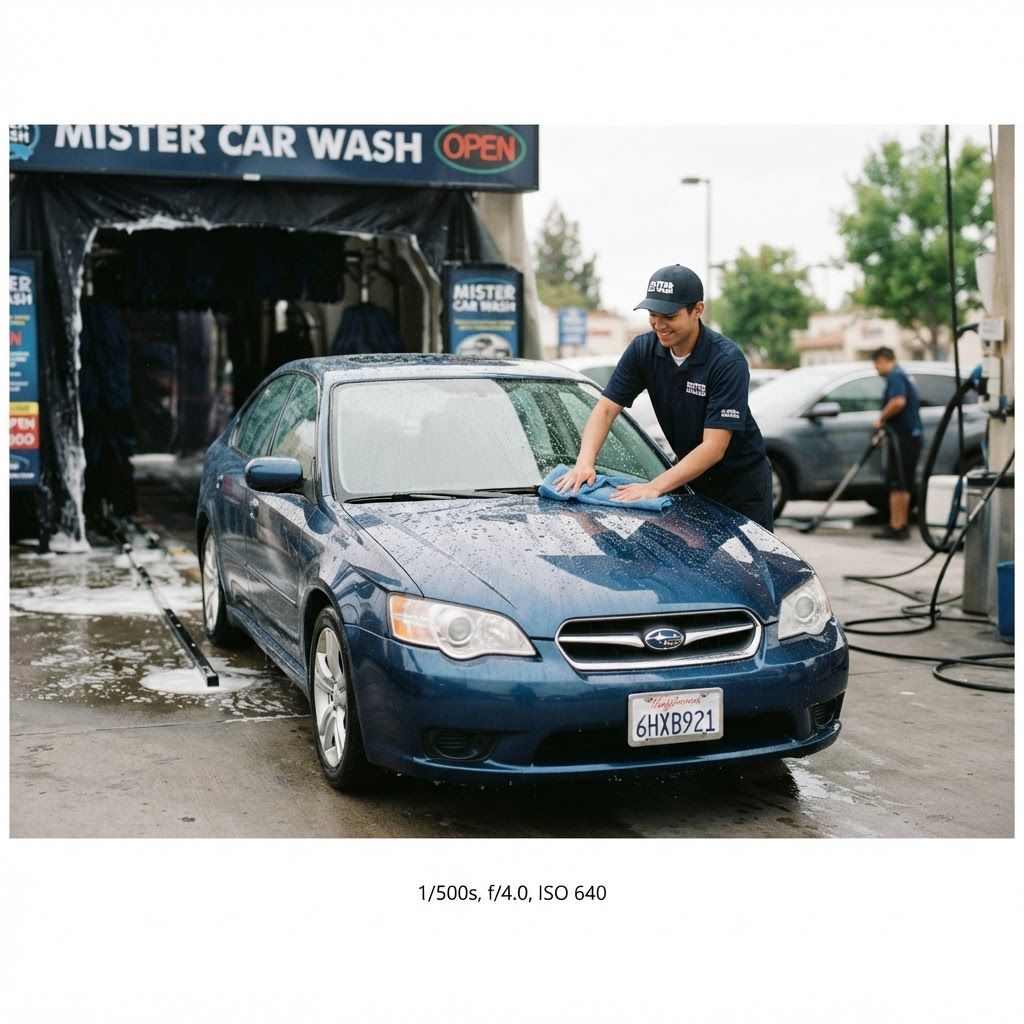
1. Mister Car Wash operates modern tunnel facilities with well-maintained equipment, unlimited monthly membership plans, and consistent process control across locations. For owners who wash weekly, membership economics are compelling, and equipment maintenance standards reduce the paint risk associated with older tunnels.
2. Splash Car Wash is a regional operator with a strong Northeast presence and a well-developed winter undercarriage program. Its tunnels typically include underbody flush and rust inhibitor stages, which is exactly what the local climate demands.
3. Northern Boulevard hand wash and detail operations, clustered along the corridor serving Manhasset and Great Neck, cater to the premium vehicle population. These facilities combine hand washing with interior detailing, paint decontamination, and sealant application, and their technicians generally understand the requirements of soft European clear coats.
4. Port Washington full-service car washes serve the waterfront communities where salt air exposure is highest. Full-service means exterior wash plus interior vacuuming, window cleaning, and wipe-down, which is the practical middle tier between an automatic wash and a full detail.
5. Ceramic coating and paint protection specialists operating in the region represent a different category. Rather than washing, these shops apply long-duration protection: ceramic coatings that chemically bond to clear coat, or paint protection film on high-impact areas. In a region with heavy road debris and salt exposure, the return on this investment is genuinely strong for vehicles kept several years.
6. Mobile detailing services covering Nassau County have expanded substantially. The best operators arrive with water tanks, generators, and professional-grade extraction equipment, allowing full interior and exterior work in a driveway or parking area. For busy households, eliminating the trip is the entire value proposition.
7. Self-service wash bays throughout the New Hyde Park and Williston Park area remain the most cost-effective winter tool available. A five-minute high-pressure undercarriage rinse after a salted storm costs very little and prevents corrosion damage measured in thousands of dollars.
8. Dealership detail departments along the local franchise corridor offer reconditioning services to the public, not only to buyers. These departments handle paint correction, headlight restoration, and interior deep cleaning, and their familiarity with specific brand finishes is a real advantage.
9. Express exterior washes with free vacuum stations have become popular because they separate the two tasks efficiently: the machine handles the exterior quickly while the owner handles the interior at their own pace. For families with children and the associated interior debris, this format works well.
10. Eco-friendly and water-reclaiming washes address a legitimate concern. Professional facilities that reclaim and treat water use dramatically less fresh water per vehicle than driveway washing, and they prevent detergent and road grime runoff from entering storm drains that ultimately reach Long Island Sound. For environmentally conscious owners, a commercial reclaiming facility is the better choice over washing at home.
Membership Economics
Unlimited wash memberships typically break even at roughly two to three washes per month. If you wash weekly, particularly through winter, a membership is almost always cheaper than paying per visit. If you wash monthly, it is not. Read the terms for vehicle-specific restrictions, since most plans tie to a single license plate, and check whether the plan includes undercarriage service or treats it as an upcharge.
Protecting Paint Between Washes
Apply a durable sealant or wax two to three times per year, or invest once in a ceramic coating. Protected paint releases contaminants more easily, which means each subsequent wash requires less mechanical agitation and therefore introduces fewer swirl marks.
Remove bird droppings, tree sap, and industrial fallout promptly rather than waiting for the next wash. These contaminants etch clear coat within days in warm weather. Keeping a quality detail spray and clean microfiber towel in the vehicle handles most of these situations in under a minute.
Avoid washing in direct midday sun, which causes water spotting as droplets evaporate and leave mineral deposits behind. Early morning or evening washing produces noticeably better results.
A Seasonal Routine That Works
Through winter, prioritize frequency and undercarriage flushing over appearance. In spring, perform a decontamination wash and reapply protection to remove accumulated salt and address pollen bonding. Through summer, maintain regular washing and address contaminants quickly. In autumn, apply a durable sealant before the first salting event of the season.
Owners in North Hempstead who follow that cycle consistently see better paint condition, less corrosion, and stronger resale values than those who wash reactively. Given how many quality providers operate in the town, there is little reason not to build the habit.