
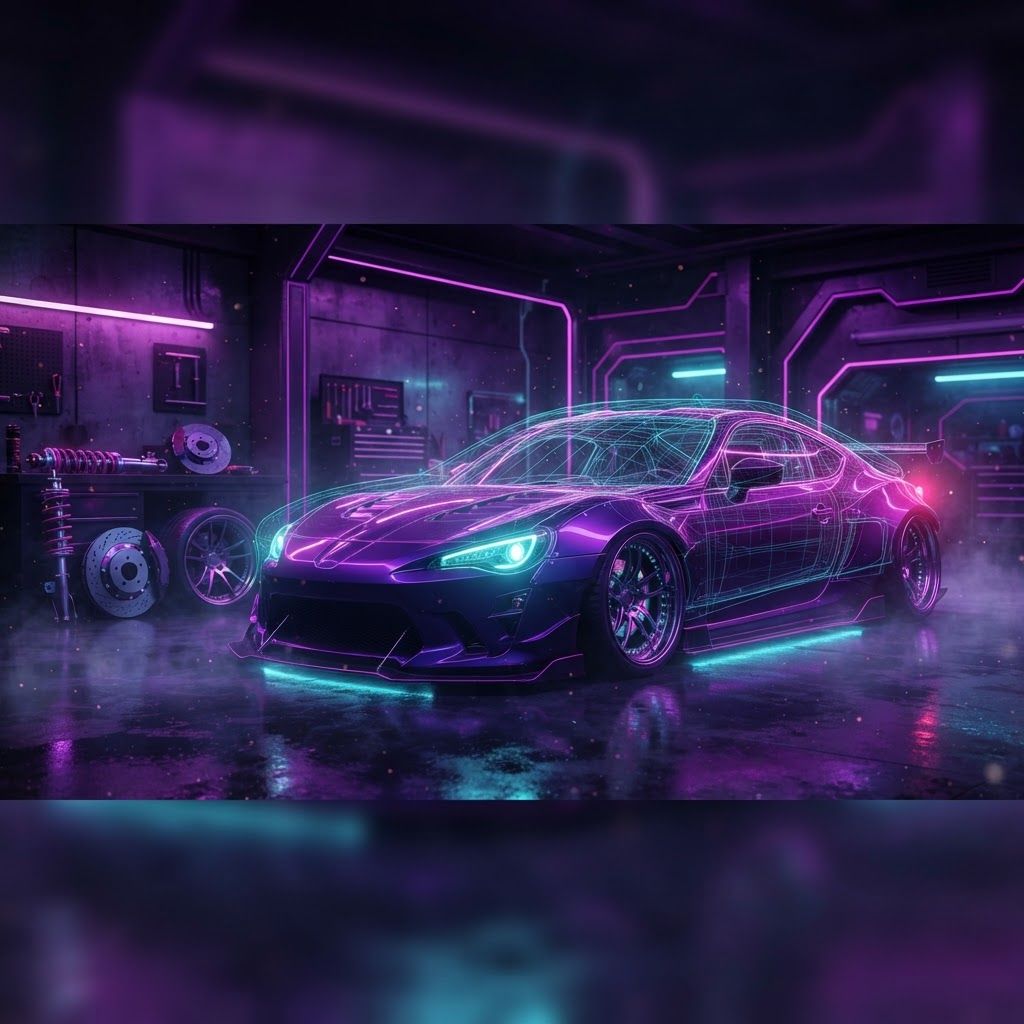
Car Culture in the Inland Empire
Southern California invented modern car customization, and the Inland Empire remains one of its strongest centers. Moreno Valley benefits from proximity to a dense network of aftermarket manufacturers, distributors, and fabrication shops, which means parts availability and installer expertise are both unusually good. Local build styles reflect the region: lifted trucks prepared for desert running, lowered trucks and classic lowriders with deep community roots, imports built for canyon roads, and daily drivers upgraded for comfort on long commutes.
The practical implication is that you can get almost any kind of work done nearby, but quality varies enormously. Customization is a trade where the installer matters more than the parts, and a poorly executed build creates problems that cost more to fix than the original work cost to do.
How to Choose a Customization Shop
Start with portfolio evidence rather than claims. Ask to see completed builds similar to what you want, ideally in person. Look at the details customers rarely photograph: wiring routing, weld quality, fastener torque marks, panel gaps, and whether components were installed with proper hardware rather than improvised solutions.
Verify insurance and licensing, get written estimates that separate parts and labor, and clarify warranty coverage on both. Ask directly how the modification affects your factory warranty, since California law protects consumers from blanket warranty denial but a dealer can decline coverage on failures the modification caused. For anything affecting emissions, confirm the parts carry a California Air Resources Board executive order number, because non-compliant components will fail smog inspection.
1. Wheel and Tire Specialists
Wheels and tires are the most common first modification and the one most often done badly. A quality specialist calculates proper offset, backspacing, and load rating rather than just fitting what looks right, and uses road-force balancing and torque specifications rather than an impact gun. In the Inland Empire, tire selection also has to account for heat, which affects compound choice and load capacity. Good shops will talk you out of a fitment that will rub, alter handling dangerously, or destroy ride quality.
2. Suspension and Lift Kit Installers
Lifted trucks are everywhere in the region, and suspension work is where competent engineering separates good shops from bad. Proper installation includes correcting geometry, addressing driveline angles, recalibrating for changed ride height, and completing a full alignment afterward. Shops that specialize in off-road suspension understand long-travel systems, coilover tuning, and the tradeoffs between desert performance and street comfort. Lowering work on trucks and cars requires equal precision, particularly with air suspension systems.
3. Vinyl Wrap and Paint Protection Shops
Vinyl wrapping has largely replaced custom paint for many owners because it is reversible, protects the original finish, and offers finishes paint cannot match. Quality depends almost entirely on installer skill: proper surface preparation, panel disassembly for wrapped edges, and heat management determine whether a wrap looks factory or peels within a year. The same shops typically install paint protection film on high-impact areas, which is especially worthwhile given freeway rock chip exposure in the region.
4. Custom Audio and Electronics Installers
Car audio has deep roots in Southern California, and skilled installers do far more than mount speakers. Competent work includes sound deadening, proper power and ground routing, amplifier tuning, and integration with factory infotainment systems that increasingly control vehicle functions. Modern installations also cover backup cameras, dash cameras, remote start, security systems, and Apple CarPlay or Android Auto retrofits on older vehicles. Wiring quality is the differentiator, and it is exactly what customers cannot see.
5. Window Tinting Specialists
Window tint is arguably the most valuable functional modification in this climate, cutting cabin temperature, reducing air conditioning load, protecting interior materials from ultraviolet degradation, and improving comfort on long commutes. California law limits front side window tint and prohibits tinting the windshield below a small strip, so a reputable shop will explain legal limits rather than installing whatever a customer requests. Ceramic films cost more than dyed films but reject substantially more heat without compromising visibility or interfering with electronics.
6. Performance Tuning and Engine Shops
Performance shops handle intake and exhaust systems, forced induction, engine management tuning, and full engine builds. In California, emissions compliance is the central constraint: modifications must be CARB-approved to remain street legal, and a knowledgeable shop will guide you toward compliant paths that still deliver meaningful gains. Dyno tuning capability is a good indicator of seriousness, since it means changes are validated with data rather than guesswork.
7. Off-Road and Overland Outfitters
With desert trails and mountain routes accessible within an hour, off-road building is a major segment locally. Outfitters install bumpers, winches, rock sliders, roof racks, auxiliary lighting, dual battery systems, air compressors, and rooftop tents for overlanding. The best shops think about the complete system, including weight distribution, cooling capacity, and recovery point strength, rather than bolting on accessories. Fabrication capability in-house is a strong signal of quality.
8. Lowrider and Classic Custom Builders
Lowrider culture has profound roots in Southern California, and the Inland Empire supports builders skilled in hydraulics, air suspension, custom paint, upholstery, and metalwork on classic vehicles. This is craft work where reputation is built over decades and passed through community networks. Restoration and custom shops working on classic Chevrolets, Impalas, and vintage trucks combine traditional bodywork skills with modern drivetrain and safety upgrades.
9. Upholstery and Interior Customization
Interior specialists handle seat reupholstery, custom stitching, headliner replacement, dashboard restoration, carpet, and sound insulation. In a region where interiors bake in the sun, cracked dashboards and deteriorated headliners are extremely common, and quality restoration meaningfully improves both comfort and resale value. Shops working with leather, vinyl, and Alcantara can also match or upgrade factory appearance convincingly.
10. Truck Accessory and Commercial Upfitters
Given the size of the local trades and logistics workforce, upfitting work vehicles is a substantial market. Shops install bed liners, tonneau covers, toolboxes, ladder racks, shelving systems for vans, hitches, lighting, and fleet graphics. Commercial upfitting emphasizes durability and safe load securement, and providers experienced with fleet work can standardize builds across multiple vehicles, which simplifies maintenance and driver familiarity.
Trends in Customization
Several shifts are visible. Overlanding continues to grow, moving demand from extreme rock crawling builds toward vehicles capable of comfortable multi-day desert travel. Vinyl wraps and color-change films have taken market share from custom paint. Electric vehicle modification is emerging, focused on wheels, suspension, wraps, and audio rather than powertrain work. Advanced driver assistance systems have complicated seemingly simple modifications, since changes in ride height or bumper geometry can require sensor recalibration. And subtle, factory-plus builds have gained favor over maximum-visual-impact styling.
Building Smart
Define your goal before spending, because a canyon car, a desert truck, and a comfortable commuter require different and sometimes conflicting choices. Prioritize modifications by value: tint, quality tires, and paint protection deliver everyday benefit in this climate before any performance part does. Keep documentation and CARB compliance paperwork for smog inspections and resale. Insist on written estimates and warranty terms, and never let price alone select an installer, because correcting bad customization work is consistently more expensive than doing it right initially.