
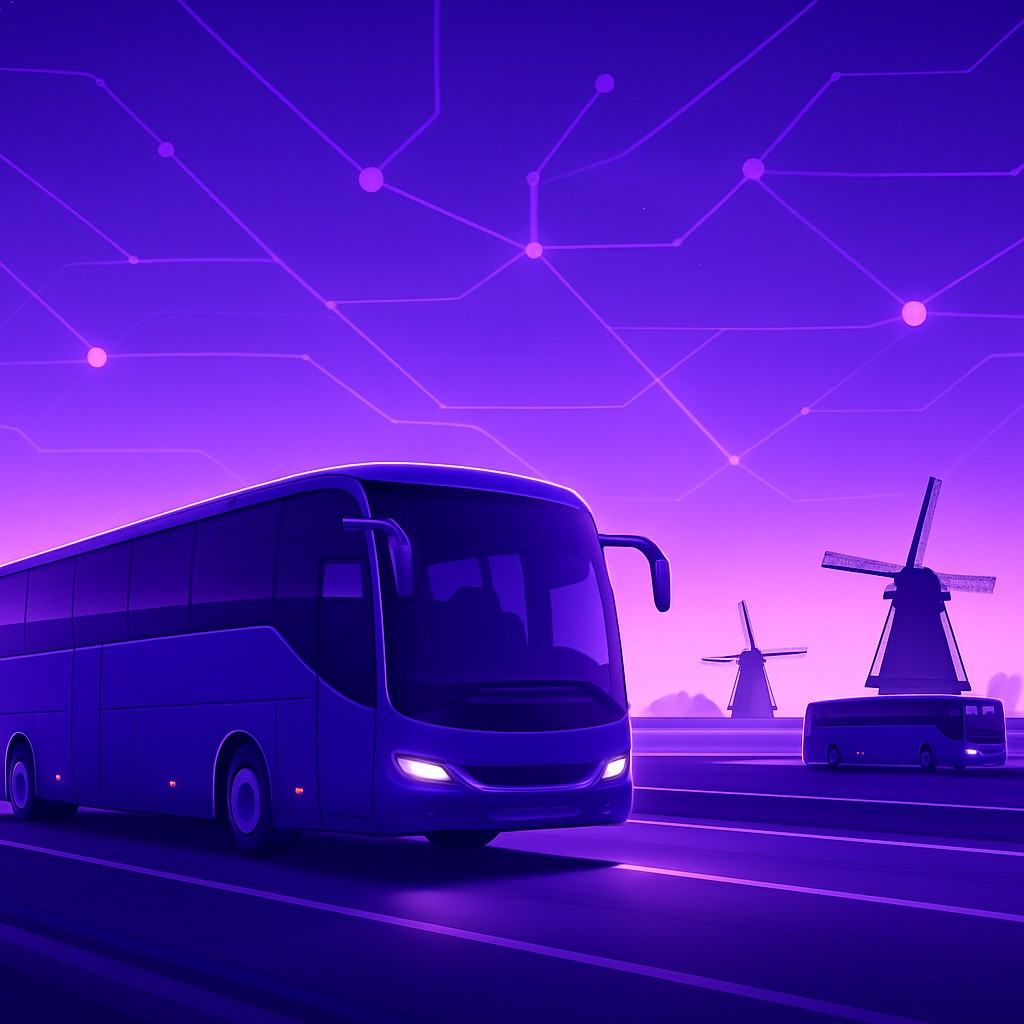
The Role of Buses in Dutch Mobility
Buses form an integral part of the Netherlands' renowned public transport network, complementing trains, trams, and metros to provide comprehensive coverage across the country. They reach areas that rail lines do not, connecting smaller towns, suburbs, and rural communities with urban centers. For both residents and visitors, buses offer an affordable, reliable, and environmentally friendly way to travel.
The Dutch bus system is celebrated for its punctuality, cleanliness, and accessibility. Modern fleets, clear scheduling, and integrated ticketing make bus travel straightforward and stress-free. Whether commuting within a city or journeying across provinces, passengers benefit from a well-organized and efficient service.
Major Regional Bus Operators
Several key operators manage public bus services across different regions of the Netherlands. Connexxion, one of the largest providers, operates extensive networks in multiple provinces, offering both urban and regional routes. Arriva is another major player, serving large parts of the country with reliable and frequent services.
In the Randstad region, GVB operates buses alongside trams and metros in Amsterdam, while RET provides similar integrated services in Rotterdam, and HTM serves The Hague. These regional operators ensure seamless connectivity within and between cities, supported by coordinated timetables and shared ticketing systems that simplify travel for passengers.
Long-Distance and International Coaches
For travelers seeking budget-friendly long-distance options, international coach companies have become increasingly popular. FlixBus, with its distinctive green coaches, connects Dutch cities to destinations across the Netherlands and throughout Europe. Its affordable fares, comfortable seating, and onboard amenities make it a favorite among budget-conscious travelers.
These long-distance services offer an attractive alternative to trains and flights for certain routes, particularly for those prioritizing cost savings. With convenient pickup points in major cities and straightforward online booking, intercity and international coach travel has grown into a practical and accessible option for exploring beyond the Netherlands' borders.
Ticketing and the OV-chipkaart System
One of the defining features of Dutch public transport is the OV-chipkaart, a smart card used across buses, trams, metros, and trains nationwide. This integrated system allows passengers to travel seamlessly between different modes of transport using a single card, simplifying journeys and reducing the need for multiple tickets.
In addition to the OV-chipkaart, contactless payment options and mobile ticketing have been introduced, offering even greater convenience. Day passes and regional tickets are also available, providing flexibility for tourists and frequent travelers. This unified ticketing approach exemplifies the efficiency and forward-thinking nature of Dutch transport.
Comfort, Accessibility, and Sustainability
Dutch buses are designed with passenger comfort and accessibility in mind. Low-floor vehicles, designated spaces for wheelchairs and strollers, and clear audio and visual announcements ensure that travel is inclusive for everyone. Clean, well-maintained interiors enhance the overall experience.
Sustainability is a central focus, with many operators investing in electric and hydrogen-powered buses. These initiatives reflect the Netherlands' broader environmental ambitions and contribute to cleaner air in urban areas. As fleets continue to modernize, passengers benefit from quieter, greener, and more comfortable journeys.
Benefits of Choosing Bus Travel
Bus travel offers numerous advantages, particularly affordability and extensive reach. For travelers on a budget, buses often represent the most economical transport option, especially for longer distances. Their ability to access remote and rural areas makes them indispensable for exploring the country's diverse landscapes and smaller communities.
Additionally, bus travel allows passengers to relax and enjoy the scenery without the responsibilities of driving. Frequent services and reliable schedules provide flexibility, while integration with other transport modes ensures smooth, connected journeys. These benefits make buses a smart choice for many types of travelers.
Tips for Smooth Bus Travel
To make the most of bus travel in the Netherlands, it helps to plan routes in advance using official journey planners and apps. Checking schedules, especially for less frequent rural routes, ensures timely connections. Acquiring an OV-chipkaart or familiarizing yourself with contactless payment options streamlines boarding.
For long-distance coaches, booking tickets early often secures the best fares and guarantees a seat. Arriving at stops a few minutes ahead of schedule and keeping travel documents accessible contributes to a relaxed experience. With minimal preparation, bus travel becomes an effortless and enjoyable way to explore the country.
Seasonal and event-based schedule changes are also worth noting, as services may vary during holidays, festivals, or major public events. Consulting official updates before traveling helps avoid unexpected disruptions. For tourists, combining bus travel with cycling or walking allows for deeper exploration of charming neighborhoods and scenic areas that lie just beyond the main routes, enriching the overall travel experience.
Final Thoughts
Bus companies in the Netherlands provide an essential, affordable, and sustainable means of travel, connecting cities, towns, and rural areas with remarkable efficiency. From dependable regional operators to budget-friendly international coaches, the options cater to a wide range of needs. By understanding the networks, ticketing systems, and benefits, travelers can confidently embrace bus travel as a convenient gateway to discovering all that the Netherlands has to offer.