
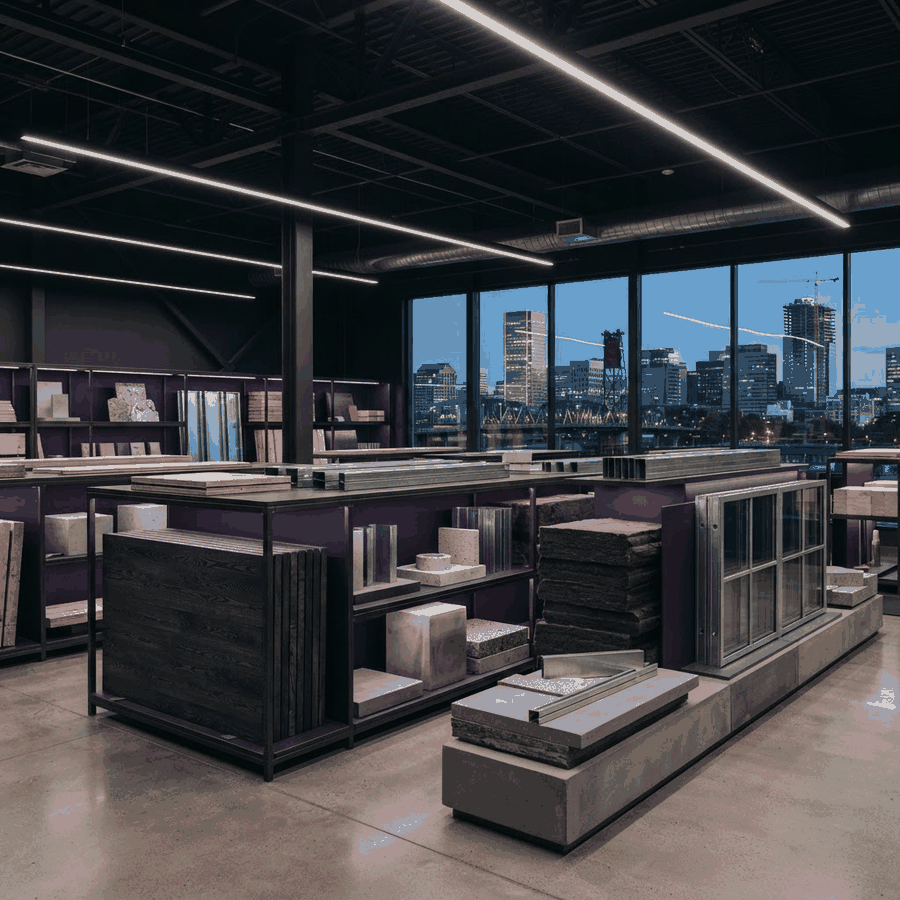
Supporting Portland's Construction Boom
Building material companies are the backbone of Portland's thriving construction industry, supplying everything from lumber and concrete to insulation, roofing, and specialty products. As the city continues to grow and develop, demand for high-quality building materials remains strong. The best companies in this sector distinguish themselves through product quality, reliable supply chains, knowledgeable staff, and a growing emphasis on sustainable materials.
Portland's construction market spans residential, commercial, and industrial projects, each with distinct material requirements. The leading building material companies serve this diverse landscape by offering broad product selections, technical expertise, and dependable delivery. Their role extends beyond simply supplying products to providing guidance that helps contractors and builders make informed decisions.
What the Best Suppliers Provide
Top building material companies in Portland offer comprehensive product lines covering structural materials, finishing products, and everything in between. These typically include framing lumber, engineered wood products, concrete and masonry supplies, insulation, roofing, siding, and interior finishing materials. Many companies also provide specialized products for green building and energy-efficient construction.
Beyond products, the best suppliers offer valuable services such as material estimating, project consultation, delivery scheduling, and technical support. When choosing a building material company, contractors should consider product availability, pricing, delivery reliability, and the depth of expertise the supplier can provide. These factors significantly impact project timelines and outcomes.
Portland's Leading Building Material Companies
Several companies have established themselves as leaders in Portland's building material sector. Cascade Building Supply is known for its extensive inventory and reliable service, serving both residential and commercial contractors. Willamette Lumber Company specializes in premium lumber and engineered wood products sourced from the region's forests.
Rose City Building Materials offers a full range of construction supplies with a focus on customer service, while Bridgetown Supply Company provides masonry, concrete, and structural products. Pacific Northwest Building Products and Columbia Building Supply complete the list, contributing strengths in sustainable materials, roofing systems, and specialty construction products.
Sustainable Building Materials on the Rise
Sustainability has become a defining theme in Portland's building material industry, reflecting the region's strong environmental values and increasingly stringent building codes. Demand for eco-friendly materials such as sustainably harvested lumber, recycled-content products, and energy-efficient insulation continues to grow. The leading suppliers have responded by expanding their green product offerings and educating clients on sustainable options.
Green building certifications and energy-efficiency standards have raised expectations across the construction industry. Portland's building material companies play an important role in helping contractors meet these requirements by providing products that support sustainable, high-performance construction. This focus on environmental responsibility strengthens their appeal to a market that increasingly prioritizes green building.
Building Strong Partnerships
For contractors and builders, choosing the right building material supplier is a critical decision that affects project quality, budget, and schedule. Portland's top suppliers offer the reliability, product selection, and expertise needed to keep projects on track. Their local presence enables responsive service, timely deliveries, and strong ongoing relationships with the construction community.
The building material companies of Portland combine quality products with knowledgeable service and a growing commitment to sustainability. Whether a project requires structural lumber, concrete, roofing, or specialty green materials, the region's top suppliers deliver the products and support that builders depend on. Their dedication to quality and reliability ensures they remain essential partners in Portland's continued growth.
How to Compare Portland Industry Partners
A strong shortlist starts with a clearly defined scope. Buyers should document expected quantities, material or performance specifications, target delivery dates, testing requirements, and any regulations that apply to the finished product. Sharing this information early helps prospective partners provide accurate proposals and identify technical risks before production begins. It is also useful to ask for examples of comparable work, references from established customers, and an explanation of how quality is measured at each stage.
Capacity deserves careful attention as well. A company may perform excellent prototype work but lack the equipment or staffing needed for a larger production schedule. Conversely, a high-volume operation may not be the best fit for custom, low-quantity assignments. Discussing current workload, normal lead times, backup equipment, and contingency plans provides a more realistic view of what a supplier can deliver. Buyers should also understand which operations are performed in-house and which are entrusted to outside specialists.
Price matters, but the lowest initial quote does not always represent the best value. Rework, missed deadlines, inconsistent materials, and poor communication can quickly outweigh a modest upfront saving. A thorough comparison considers total cost, including tooling, packaging, delivery, maintenance, and the likely service life of the result. Clear payment terms and a written process for approving changes help both sides avoid surprises.
Making a Confident Final Decision
Before committing to a major order, consider beginning with a sample, prototype, or limited production run. This creates an opportunity to assess workmanship, responsiveness, documentation, and delivery performance under real conditions. A facility visit can provide additional insight into organization, safety, equipment condition, and employee expertise. For Portland-area buyers, local access makes this type of hands-on evaluation especially practical.
The most successful supplier relationships are collaborative rather than purely transactional. Companies that ask informed questions, recommend practical improvements, and communicate concerns early tend to create better long-term outcomes. Portland's connected business community also makes reputation meaningful, so consistent service and responsible practices matter. By balancing technical capability, quality systems, capacity, sustainability, and communication, buyers can choose a partner that supports both immediate needs and future growth.