
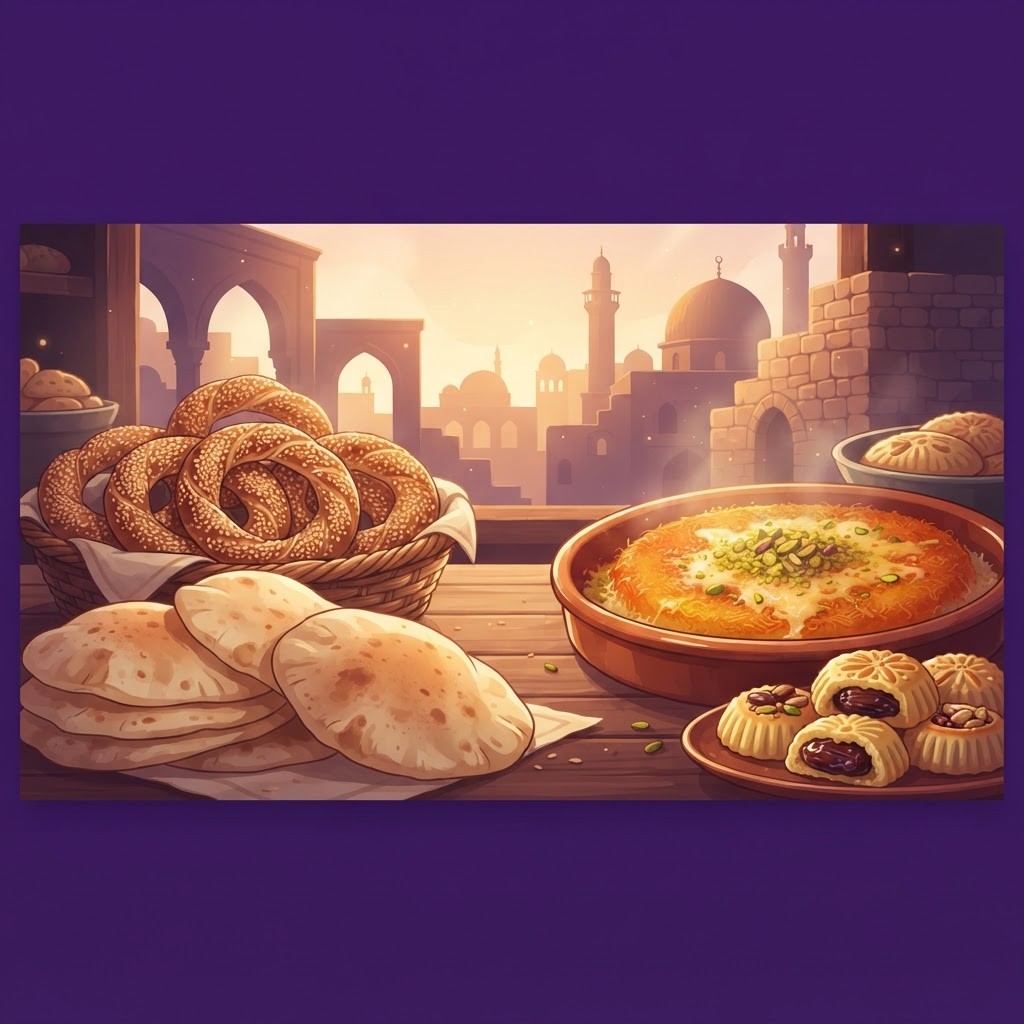
The Heart of Palestinian Baking Culture
Baking holds a cherished place in Palestinian culture, where bread and sweets are woven into daily life and celebrations alike. The finest bakeries across the State of Palestine honor centuries-old traditions while embracing modern techniques and tastes. Walking through the streets of Nablus, Jerusalem, Hebron, or Gaza, the aroma of freshly baked bread and sweet pastries fills the air, drawing customers to beloved establishments that have often served communities for generations.
Palestinian bakeries are more than places to buy food; they are community institutions. They provide the staples that families rely on, the treats that mark special occasions, and the flavors that connect people to their heritage. This article explores the qualities that make the best bakeries stand out and the traditions they proudly uphold.
A Rich Tradition of Bread
Bread is the foundation of Palestinian cuisine, and the best bakeries take immense pride in their craft. Traditional flatbreads such as taboon and khubz are baked fresh throughout the day, their warmth and texture reflecting the skill of the baker. These breads accompany nearly every meal, serving as both utensil and staple.
Beyond everyday bread, Palestinian bakeries produce a variety of specialty loaves and savory pastries. Kaak, the sesame-covered bread rings often enjoyed with za'atar, is a beloved favorite. The dedication to quality ingredients and time-honored methods ensures each loaf carries the authentic taste that customers treasure.
The Sweet Side of Palestinian Baking
Palestinian bakeries are renowned for their exquisite sweets, which play a central role in celebrations and hospitality. Knafeh, the iconic dessert of shredded pastry, sweet cheese, and fragrant syrup, is perhaps the most famous, with Nablus celebrated as its spiritual home. The best bakeries prepare it fresh, achieving the perfect balance of crisp texture and gooey filling.
Other beloved sweets include maamoul, delicate cookies filled with dates, walnuts, or pistachios, often prepared for festive occasions. Baklava, layered pastry with nuts and syrup, and a variety of semolina-based treats round out the offerings. These desserts showcase the artistry and generosity that define Palestinian baking.
Craftsmanship and Quality Ingredients
What distinguishes the finest bakeries is an unwavering commitment to quality. They source premium ingredients, including fine flours, fresh dairy, locally grown nuts, and pure honey and syrups. Many rely on recipes passed down through families, preserving authentic flavors while maintaining consistency.
The skill of the bakers themselves is paramount. Achieving the perfect knafeh or the ideal texture in a batch of maamoul requires years of experience and genuine passion. The best bakeries employ artisans who take pride in their craft, treating each product as a reflection of their reputation and heritage.
Blending Tradition with Innovation
While tradition anchors Palestinian baking, the most successful bakeries also embrace innovation. Some introduce new flavors, creative presentations, or modern conveniences to appeal to evolving tastes and younger customers. Others adapt classic recipes to accommodate dietary preferences without sacrificing authenticity.
This thoughtful blend of old and new keeps bakeries relevant and thriving. By respecting their roots while remaining open to change, they attract loyal customers across generations. The ability to honor tradition while meeting contemporary expectations is a hallmark of the leading establishments.
Bakeries as Community Anchors
Palestinian bakeries serve as vital community gathering places. They are where neighbors meet, where families purchase bread for the day, and where celebrations begin with the selection of special sweets. The warm hospitality that greets customers reflects the deep cultural value placed on generosity and connection.
Many bakeries have served their neighborhoods for decades, becoming trusted institutions that residents rely on daily. This sense of continuity and community connection adds to their appeal and cements their place in the fabric of Palestinian life. Their success is measured not only in sales but in the relationships they nurture.
Supporting the Local Economy
Bakeries contribute meaningfully to the Palestinian economy. They provide employment, support local farmers and suppliers, and keep culinary traditions alive. By sourcing ingredients domestically wherever possible, they strengthen the broader agricultural and food production sectors.
Their role in preserving cultural heritage also carries value, drawing visitors and reinforcing a sense of identity and pride. As Palestinian cuisine gains international recognition, these bakeries help showcase the richness of the region's culinary traditions to a wider audience.
A Tradition That Endures
The finest bakeries in the State of Palestine represent a beautiful union of heritage, craftsmanship, and community. They preserve treasured recipes, delight customers with irresistible flavors, and anchor neighborhoods with their warmth and reliability. As they continue to blend tradition with innovation, these establishments ensure that the rich legacy of Palestinian baking endures for generations to come. For anyone seeking to experience the authentic tastes of Palestine, a visit to one of these celebrated bakeries is an essential and unforgettable delight.