
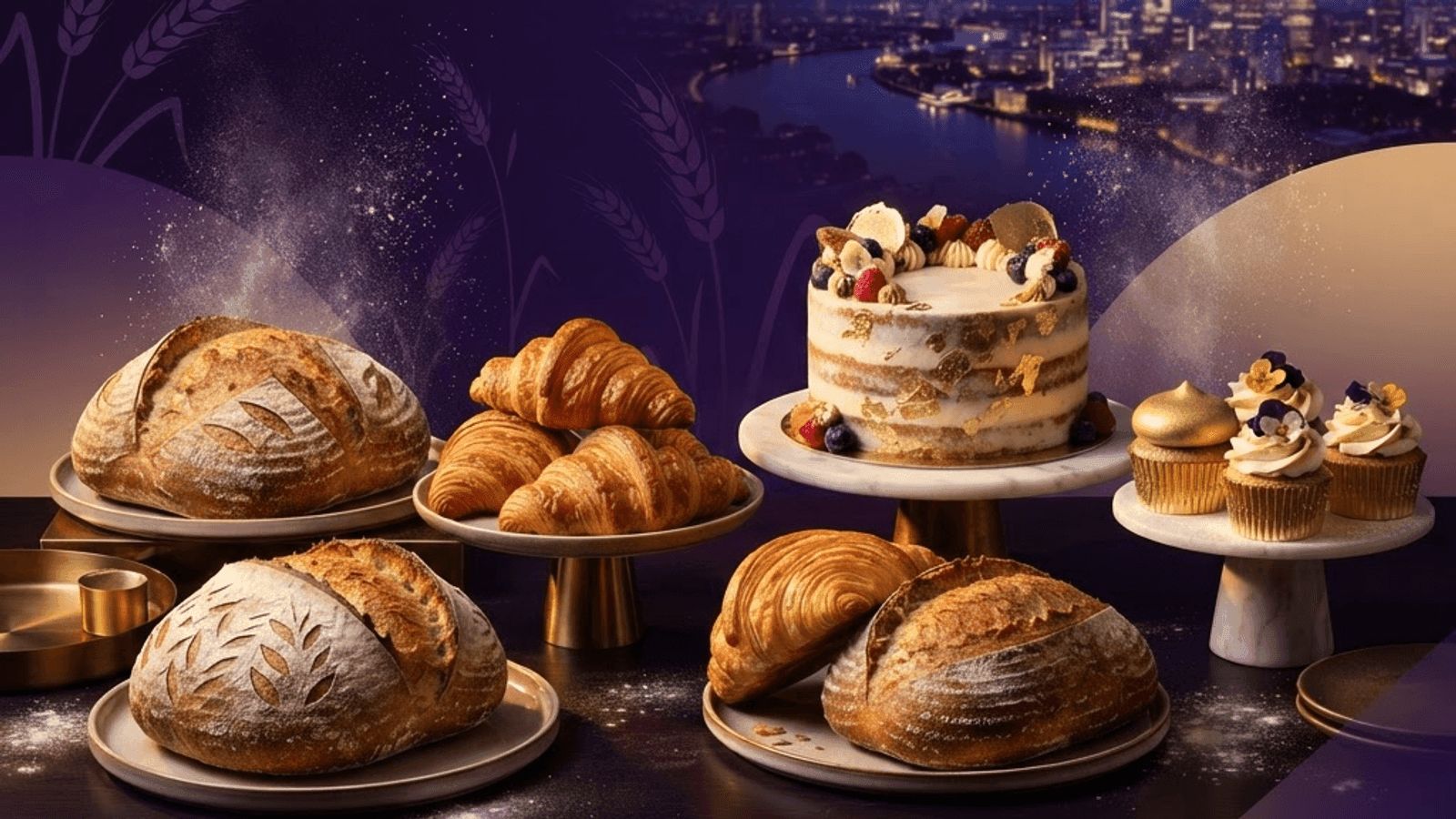
A City With a Serious Baking Culture
Little Rock's food scene has gained national attention over the past decade, and bakeries have been central to that shift. What began as a small group of traditional Southern bakeries selling pound cake and dinner rolls has grown into a diverse landscape that includes European-style bread programs, French pastry counters, gluten-free specialists, and dessert-focused shops producing work that would hold up in far larger markets.
Several factors drove the change. Access to regional grain, a growing farmers market culture, and a customer base increasingly willing to pay for craft baking created conditions where small operations could survive the thin margins the trade is known for. Neighborhoods including the Heights, Hillcrest, SoMa, and the River Market district each developed their own bakery identity.
What Distinguishes an Excellent Bakery
Judging a bakery starts with bread, because bread hides nothing. A well-made loaf shows an open, irregular crumb, a crust with genuine color, and a flavor that develops from fermentation rather than added sweetener. Bakeries running long fermentation schedules and natural leavening produce bread with more depth and better keeping quality.
Pastry reveals technique. Laminated items such as croissants should show visible layers, shatter slightly at the edge, and taste of butter rather than of fat generally. Fillings should be balanced rather than overwhelmingly sweet, and fruit components should taste like the fruit they came from.
Consistency separates good bakeries from great ones. Anyone can produce an excellent croissant occasionally; producing the same one every morning for years requires disciplined process control, trained staff, and careful ingredient sourcing. Finally, the counter experience matters, including honest guidance about what came out best that morning.
Ten Standout Bakeries in Little Rock
1. Rock City Bread Company. A naturally leavened bread specialist whose country loaf and seeded rye anchor the menu. Long fermentation and stone-milled flour produce bread with pronounced flavor and a crust that holds up for days.
2. Quapaw Pastry House. A French-style patisserie focused on laminated dough and classic desserts. The croissants and pain au chocolat sell out early, and the seasonal tart program shows genuine pastry training rather than adapted home recipes.
3. Heights Sweet Shoppe. A neighborhood institution known for Southern layer cakes, particularly caramel and coconut. This is celebration baking done traditionally, with buttercream made from scratch and cake layers that stay tender.
4. Natural State Sourdough. A small-batch operation that treats fermentation as the centerpiece. Beyond bread, the shop produces sourdough-based crackers, pizza bases, and pastries that carry a subtle tang throughout the menu.
5. Riverfront Bagel Works. Hand-rolled, boiled, and baked bagels with a chewy interior and blistered crust. The house-made cream cheese spreads and cured salmon plate turn a simple product into a full breakfast destination.
6. Delta Cupcake Studio. A dessert-focused shop with a rotating cupcake lineup and a strong custom cake business. Its strength is flavor development, with combinations that go well beyond standard vanilla and chocolate offerings.
7. Pinnacle Gluten-Free Bakery. A dedicated gluten-free facility producing breads, cookies, and celebration cakes without cross-contamination risk. For customers managing celiac disease, the combination of safety and genuine quality is rare and valuable.
8. Capital City Donut Company. A yeast-raised donut specialist producing light, well-proofed rings alongside filled varieties and seasonal glazes. Early morning production means the case is freshest well before most competitors open.
9. Southern Plains Pie Kitchen. Focused entirely on pie, from buttermilk chess and pecan to seasonal fruit varieties. The all-butter crust and restrained sugar levels make these pies notably better than mass-produced alternatives.
10. Metro Rock Cafe and Bakery. A hybrid operation combining a full coffee program with a broad bakery case covering morning pastries, sandwich breads, and afternoon sweets. Its consistency and long hours make it the reliable default for many residents.
Trends in the Local Bakery Scene
Whole grain and regional milling have gained ground. Bakers increasingly source flour from mills within a few hundred miles, and some incorporate heritage wheat varieties that bring distinct flavor. Customers have proven willing to pay for the difference.
Dietary accommodation has become mainstream rather than niche. Gluten-free, dairy-free, and reduced-sugar options now appear on standard menus, and the quality gap between these products and conventional versions has narrowed dramatically.
Preorder and subscription models have also spread. Many bakeries now sell bread by weekly subscription or accept preorders for weekend pickup, which reduces waste and helps small operations forecast production accurately.
Getting the Most From a Bakery Visit
Arrive early for bread and laminated pastry, since both are best within hours of baking. Ask what came out of the oven most recently; staff at serious bakeries will tell you honestly. For celebration cakes, order at least a week ahead and longer during graduation and holiday seasons.
Store bread properly once you get it home. A crusty loaf keeps best cut-side down on a board or in paper for the first day, and freezing sliced portions preserves quality far better than refrigeration, which accelerates staling.
Final Thoughts
Little Rock's bakeries reward exploration. The city supports both traditional Southern baking and rigorous European technique, often within a few miles of each other. Whether you want a serious sourdough loaf, a properly laminated croissant, or a caramel cake made the way it has been made here for generations, the ten bakeries profiled above represent the strongest expressions of each tradition.