
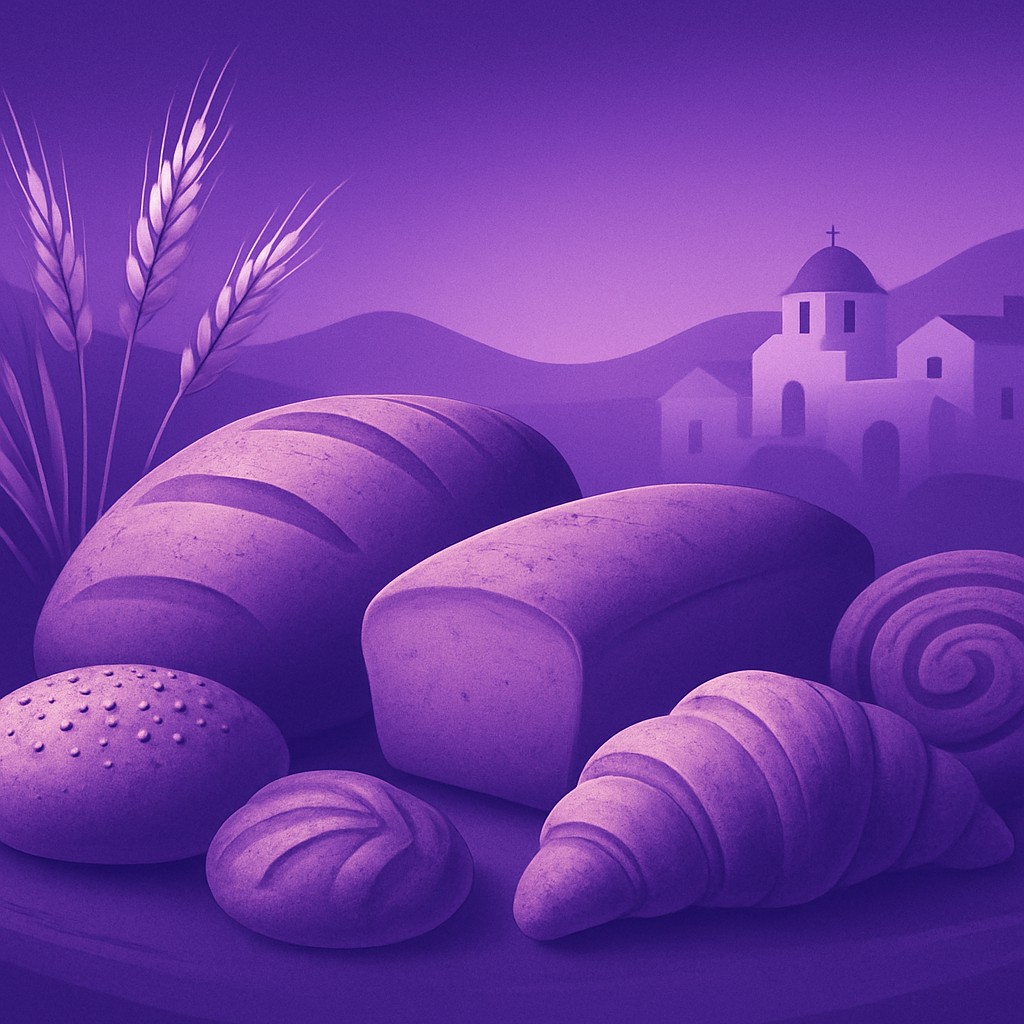
The Heart of Greek Daily Life
In Greece, the bakery, or fournos, is far more than a place to buy bread. It is a cornerstone of community life, a source of daily ritual, and a guardian of culinary tradition. The aroma of freshly baked bread, the golden crust of a warm tiropita, and the sweet allure of honey-drenched pastries are woven into the fabric of Greek culture. From bustling Athens neighbourhoods to remote island villages, bakeries serve as gathering places where generations of recipes are kept alive.
Greek baking draws on thousands of years of history, blending influences from across the Mediterranean and the East. The result is a rich and varied tradition that ranges from simple, rustic loaves to elaborate festive sweets. Exploring the best bakeries in Greece is a delicious way to experience the country's heritage and hospitality.
The Treasures of the Greek Bakery
A visit to a Greek bakery reveals an astonishing variety of breads and pastries. Crusty village bread, or horiatiko psomi, made with simple ingredients and baked to perfection, forms the foundation of the Greek table. Koulouri, the sesame-crusted bread ring, is a beloved street snack enjoyed across the country, especially in Thessaloniki where it is a local institution.
Savoury pies, known as pita, are a highlight, with tiropita filled with cheese and spanakopita filled with spinach being perennial favourites. On the sweet side, bakeries offer baklava layered with nuts and honey, syrupy galaktoboureko, crumbly kourabiedes, and honey-dipped melomakarona, especially around the holidays. Each region adds its own specialities, reflecting local ingredients and customs.
Celebrated Bakeries Across Greece
Greece is home to many outstanding bakeries, each with its own character. In Athens, Takis Bakery in Kolonaki is renowned for its artisan breads and pastries, drawing loyal customers who appreciate its dedication to quality. Veneti, a well-established name, offers a wide range of traditional baked goods and has become a familiar presence across the city.
In Thessaloniki, Terkenlis is famous nationwide, particularly for its tsoureki, the sweet braided bread that has achieved almost legendary status. The city's many koulouri vendors and traditional bakeries reflect its rich baking culture. Estia and other neighbourhood institutions continue to serve time-honoured recipes.
On the islands, family-run bakeries such as those found in Crete produce exceptional rusks, or paximadia, and barley breads that are central to the celebrated Cretan diet. In Santorini and other Cycladic islands, small bakeries craft breads and sweets using local ingredients, offering visitors an authentic taste of island life. Across the Peloponnese and mainland villages, generations-old bakeries keep regional traditions alive, often using wood-fired ovens that impart a distinctive character.
Tradition Meets Craftsmanship
What distinguishes the finest Greek bakeries is their commitment to tradition and craftsmanship. Many still use time-honoured techniques, including natural fermentation, long proving times, and wood-fired ovens that produce bread with exceptional flavour and texture. Recipes are often passed down through families, preserving authentic tastes that have delighted Greeks for generations.
This dedication to craft is matched by a focus on quality ingredients. The best bakeries use local flours, pure Greek honey, fresh cheeses, and extra-virgin olive oil, ingredients that are integral to the renowned Mediterranean diet. The result is baked goods that are not only delicious but also rooted in a healthy and sustainable culinary philosophy.
The Influence of the Mediterranean Diet
Greek baking is closely tied to the Mediterranean diet, celebrated worldwide for its health benefits. Whole-grain breads, barley rusks, and pastries made with olive oil rather than butter reflect this wholesome tradition. Cretan paximadia, in particular, are emblematic of a diet associated with longevity and well-being.
This connection gives Greek bakeries a special appeal for those seeking both flavour and nourishment. Many bakeries continue to produce traditional, wholesome products that have sustained Greek communities for centuries, offering a delicious link between heritage and health.
Bakeries as Cultural Landmarks
Beyond their culinary offerings, Greek bakeries hold deep cultural significance. They are central to festivals and celebrations, producing special breads and sweets for occasions such as Easter, Christmas, and name days. Tsoureki at Easter, melomakarona and kourabiedes at Christmas, and vasilopita at New Year are cherished traditions that bring families together.
Bakeries also serve as social hubs, where neighbours exchange news and visitors experience the warmth of Greek hospitality. The enduring popularity of the local fournos speaks to its irreplaceable role in community life.
Experiencing Greek Bakeries as a Visitor
For travellers, exploring Greek bakeries is one of the most rewarding and authentic culinary experiences the country offers. Starting the day with a fresh koulouri, enjoying a savoury pie for lunch, or sampling regional sweets in the afternoon provides a delicious window into local culture. Each region offers distinct specialities, rewarding those who venture beyond the tourist centres.
Visitors are encouraged to seek out small, family-run bakeries where tradition runs deepest. A warm smile, a freshly baked treat, and a glimpse of timeless craftsmanship await those who do.
Conclusion
Greek bakeries embody the heart and soul of the country's culinary heritage. From rustic village loaves and sesame koulouri to honey-soaked baklava and festive tsoureki, they offer an irresistible array of flavours rooted in tradition and crafted with care. Whether you are a local enjoying a daily ritual or a visitor discovering Greek culture, the bakeries of Greece promise a warm and delicious welcome.