
Temple's Place in the Texas Automotive Economy
Texas is home to some of the most important automotive manufacturing facilities in North America. Major assembly plants, electric vehicle factories, and truck manufacturers operate across the state, supported by thousands of parts suppliers and logistics providers. Temple sits along the Interstate 35 corridor that connects many of these operations, making it a natural location for suppliers, warehousing, and transportation companies that support the automotive industry.
Truck-loving Texans also make the state one of the largest vehicle markets in the country. The companies below represent the manufacturers that build vehicles and components in Texas and influence the Central Texas economy.
1. Tesla
Tesla's Gigafactory Texas in Austin is one of the largest manufacturing plants in the world. It produces electric vehicles and serves as the company's headquarters. Its presence has attracted suppliers and talent to Central Texas, creating opportunities that reach communities like Temple.
2. Toyota Motor Manufacturing Texas
Toyota builds full-size pickup trucks in San Antonio, supported by an extensive network of on-site suppliers. Toyota's North American headquarters in Plano further underscores the company's commitment to Texas.
3. General Motors
General Motors operates a major assembly plant in Arlington producing full-size SUVs. The facility is one of GM's most productive plants and supports a broad supplier network throughout the state.
4. Peterbilt Motors
Peterbilt, headquartered in Denton, manufactures heavy-duty trucks known for quality and durability. Its trucks are a common sight on Interstate 35, carrying freight to and from Temple's major distribution centers.
5. Navistar
Navistar operates a modern truck manufacturing plant in San Antonio, producing commercial vehicles. The facility uses advanced automation and contributes to Texas's growing role in commercial vehicle production.
6. Ford Motor Company
Ford trucks are among the best-selling vehicles in Texas, and the company maintains a strong regional presence through dealerships, service networks, and suppliers. Its commercial vehicles are widely used by Temple businesses and fleets.
7. Caterpillar Engine and Component Operations
Caterpillar operates facilities in Texas producing engines and components for vehicles and equipment. Its operations support heavy-duty transportation and industrial markets.
8. PACCAR
PACCAR, the parent company of Peterbilt and Kenworth, is a global leader in premium commercial trucks, engines, and aftermarket parts. Its Texas operations and parts distribution network help keep regional fleets on the road, supporting the trucking companies that serve Temple's warehouses and distribution centers.
9. Daimler Truck North America
Daimler Truck North America, maker of Freightliner trucks, has a significant footprint in Texas, including parts distribution and manufacturing support. Its trucks are essential to the freight industry that powers Temple's logistics economy.
10. Stellantis
Stellantis, parent company of Ram, Jeep, Dodge, and Chrysler, is highly influential in the Texas truck market. Ram pickups are especially popular among Central Texas drivers, and the company's dealer and service network is extensive across the region.
What Automotive Growth Means for Temple
Automotive manufacturing growth across Texas creates opportunities for Temple through supplier recruitment, logistics demand, and skilled jobs. Temple's rail access, industrial parks, and highway connectivity make it attractive to companies producing components, managing distribution, or providing maintenance services. Local economic development organizations actively pursue advanced manufacturing projects that align with the automotive and electric vehicle supply chain.
Industry Trends
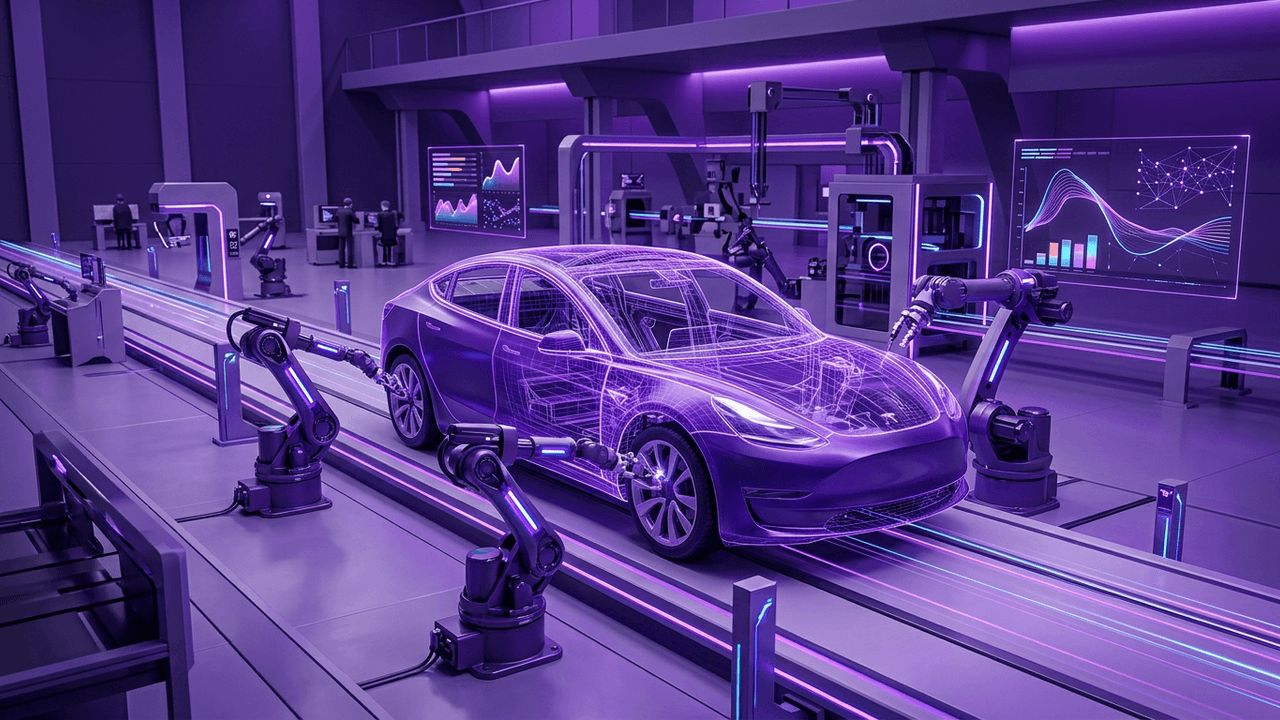
The automotive industry is undergoing profound change. Electric vehicles and battery production are reshaping manufacturing processes and supply chains. Software and connectivity now define much of a vehicle's value, increasing demand for electronics and semiconductor components. Automation and robotics are transforming assembly lines. Commercial vehicle manufacturers are developing electric and alternative fuel trucks. Autonomous trucking pilots along Texas highways, including the Interstate 35 corridor, are drawing attention to the region as a testing ground for freight innovation.
Workforce and Training
Automotive manufacturing requires skilled technicians, welders, machinists, robotics specialists, quality inspectors, and engineers. Temple College and regional technical programs offer training in industrial maintenance, welding, and automotive technology. Veterans with mechanical and electronics backgrounds are well suited to many of these roles, and the region's military community provides a valuable talent pool.
Opportunities for Local Businesses
Temple businesses can participate in the automotive supply chain by providing machining, fabrication, logistics, warehousing, industrial maintenance, and staffing services. Building relationships with tier-one and tier-two suppliers, earning quality certifications, and investing in modern equipment can help local companies compete for contracts.
The Role of Logistics in Automotive Manufacturing
Modern automotive plants operate on just-in-time and just-in-sequence delivery systems, where parts arrive exactly when needed on the assembly line. This approach depends on dependable trucking, rail, and warehousing networks. Temple's established distribution infrastructure, rail connections, and position on Interstate 35 between major Texas metros make it well suited to support these supply chains. Third-party logistics providers, cross-dock facilities, and fleet maintenance businesses in the area can play valuable roles as automotive production continues expanding across the state.
Conclusion
Texas has become one of the most dynamic automotive manufacturing states in the nation, and Temple's strategic location connects it to that momentum. The manufacturers above are shaping the future of mobility, from electric vehicles to heavy-duty trucks. As the industry continues to evolve, Temple's workforce, infrastructure, and business community are well positioned to benefit.